Wat Lokaya Sutha, Ayutthaya
Buddhist Temple in Ayutthaya

Wat Lokaya Sutha, often called the Temple of the Reclining Buddha, is one of the most visually striking sites in Ayutthaya. Built in the 14th century during the reign of King Ramathibodi II, the temple once served as a significant religious centre before being abandoned after the Burmese invasion of 1767. Today, its immense Reclining Buddha statue and open, contemplative grounds make it one of the top attractions in Ayutthaya for travellers seeking both spiritual meaning and compelling photography. Its peaceful setting also makes it a highlight of any walking tour of Ayutthaya.
The temple's atmosphere is defined by its sense of calm and space. With fewer crowds than many central ruins and wide, green surroundings, Wat Lokaya Sutha offers a welcome moment of quiet within the historical park.
History and Significance of Wat Lokaya Sutha
Wat Lokaya Sutha dates back to the early Ayutthaya period and played an important role in the kingdom's religious landscape. Though much of the temple fell into ruin after 1767, the Reclining Buddha survived as the focal point of local devotion. Its significance lies in its depiction of the Buddha in the moment of entering Nirvana-one of the most sacred scenes in Buddhist iconography.
Over time, the temple grounds became a place of pilgrimage and reflection. Locals and visitors alike continue to offer incense, flowers, and prayers at the base of the statue. While the surrounding halls and chedis no longer stand in full form, their foundations hint at the temple’s original scale and importance.
The ongoing reverence for the Reclining Buddha ensures that Wat Lokaya Sutha remains a meaningful part of Ayutthaya's cultural and spiritual heritage.
Things to See and Do in Wat Lokaya Sutha
The main attraction is the massive Reclining Buddha, which stretches an impressive 42 metres in length. Draped at times in orange cloth, the statue depicts serene facial features and a gentle posture, symbolising peace and liberation. It is one of the most photographed religious images in Ayutthaya.
Walk around the site to explore the remains of ancient structures, including the bases of chedis and ruined brick halls. These remnants offer glimpses into the temple's historical layout and its former prominence within the Ayutthaya Kingdom. The open space also provides opportunities for reflection, quiet walks, or capturing scenic compositions with the Buddha statue framed by greenery and sky.
Because the temple is less crowded than nearby Wat Phra Si Sanphet or Wat Mahathat, visitors can take their time to enjoy the calm surroundings without feeling rushed.
How to Get There
Wat Lokaya Sutha is located west of Ayutthaya's central ruins and is easily reached by tuk-tuk, bicycle, or taxi. Travelling by car is convenient if you plan to combine it with other temples nearby.
Visitors coming from Bangkok often take the train to Ayutthaya Station and continue via local transport to the temple. Train schedules and bookings can be found on Omio.
Practical Tips on Visiting Wat Lokaya Sutha
- Best time to visit Wat Lokaya Sutha: Early morning or late afternoon for cooler temperatures and softer light.
- Entrance fee in Euros: Free.
- Opening hours: Open daily, generally 8:00-17:00.
- Official website: Refer to Tourism Authority of Thailand resources.
- How long to spend: 20-40 minutes.
- Accessibility: Mostly flat terrain, easy to walk; minimal shade in some areas.
- Facilities: Limited on-site facilities; small vendors nearby selling drinks and offerings.
- Photography tip: Capture the Reclining Buddha from the front angle to emphasise its length and expression.
- Guided tours: Commonly included in Ayutthaya day tours.
- Nearby food options: Small cafés and local street vendors in the surrounding area.
Where to Stay close to Wat Lokaya Sutha
For easy access to the western side of the historical park, Sala Ayutthaya offers stylish rooms with riverside views. Those seeking comfort and convenience may prefer Krungsri River Hotel. For a more tranquil, garden-like ambiance, Baan Tye Wang is an excellent boutique choice.
Is Wat Lokaya Sutha Worth Visiting?
Wat Lokaya Sutha is absolutely worth visiting for its extraordinary Reclining Buddha, quiet surroundings, and cultural significance. It provides a peaceful counterpoint to the busier ruins and offers meaningful insights into Ayutthaya's spiritual traditions.
What Other Travellers Say...

Wat Lokaya Sutha in Phra Nakhon Si Ayutthaya features an enormous reclining Buddha set among ancient ruins; the statue has been restored and now appears clean and freshly painted, which some visitors find impressive in sunlight while others feel the renovation erased historic weathering and the calming, ancient atmosphere. Visitors still come to pray, light incense, and leave offerings, and the site is a bit removed from the main tourist crowds.


FAQs for Visiting
Nearby Attractions to Wat Lokaya Sutha
- Wat Phra Si Sanphet: The former royal temple with three famous chedi.
- Viharn Phra Mongkhon Bophit: Home to a massive bronze Buddha statue.
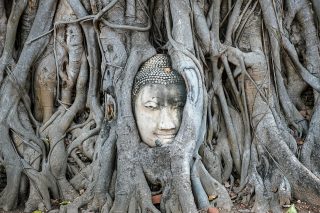
- Wat Mahathat: Known for the Buddha head entwined in tree roots.
- Wat Ratchaburana: Features an elegant prang and ancient murals in the crypt.
- Wat Phu Khao Thong: Offers wide open views from its towering chedi.
The Wat Lokaya Sutha appears in our Complete Guide to Visiting Ayutthaya!

Moira & Andy
Hey! We're Moira & Andy. From hiking the Camino to trips around Europe in Bert our campervan — we've been traveling together since retirement in 2020!
This website uses affiliate links which may earn a commission at no additional cost to you!
Planning Your Visit
Daily 09:00 – 18:00
Nearby Attractions
- Wihan Phra Mongkhon Bophit (0.5) km
Buddhist Temple - Wat Phra Si Sanphet (0.6) km
Buddhist Temple - Wat Phra Ram (1.0) km
Buddhist Temple - Wat Na Phra Men (1.0) km
Buddhist Temple - Wat Thammikarat (1.0) km
Buddhist Temple - Chao Sam Phraya Museum (1.1) km
Museum - Wat Mahathat (1.6) km
Buddhist Temple - Wat Ratchaburana (1.6) km
Buddhist Temple - Wat Chaiwatthanaram (1.8) km
Buddhist Temple - Wat Phu Khao Thong (2.0) km
Buddhist Temple