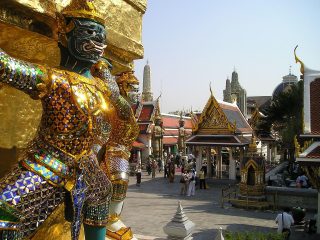
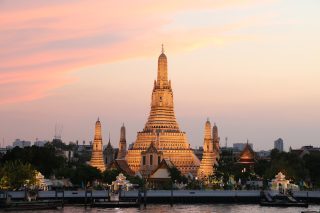
Wat Chakrawat (The Crocodile Temple), Bangkok
Buddhist Temple in Bangkok
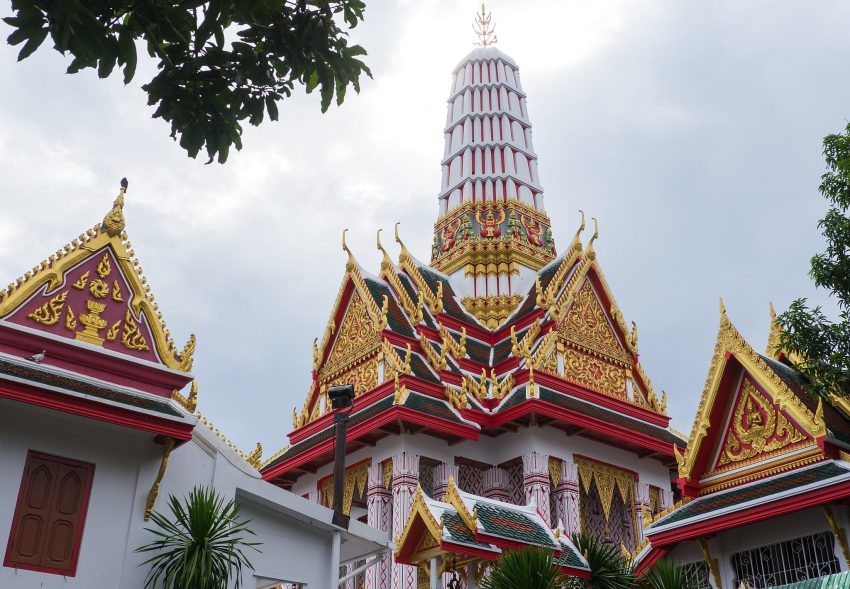
Nestled on the quieter edge of Bangkok's Chinatown, Wat Chakkrawat is one of the must-see places in Bangkok for travelers seeking a temple that offers both historical depth and unexpected surprises. Though often overlooked in favor of nearby Wat Traimit, this riverside monastery holds stories that span centuries-from royal patronage to legends of crocodiles lurking in its ponds.
Wat Chakkrawat's calm atmosphere and fascinating history make it a great place to visit on a walking tour of Bangkok's Chinatown. The temple is easily accessible from Yaowarat but feels worlds apart, offering a peaceful contrast to the noise of nearby markets. Visitors can explore its ornate shrines, visit its curious crocodile enclosure, and discover a side of Bangkok where spirituality and storytelling intertwine.
History and Significance of Wat Chakkrawat
Wat Chakkrawat, originally known as Wat Sam Pluem, dates back to the reign of King Rama I over two centuries ago. It was established in the Sampheng district, one of the earliest Chinese immigrant communities in Bangkok after settlers were relocated from the Tha Tian area to make way for the Grand Palace. During King Rama III's reign, the influential general Chaophraya Bodindecha spearheaded a six-year renovation of the temple, constructing a new canal and restoring key structures, which helped transform it into a thriving royal monastery.
In 1825, King Rama III elevated the temple to royal status and bestowed upon it its current name, Wat Chakkrawat Rachawat Woramahawihan. During the reign of King Rama IV, the temple temporarily housed the sacred Phra Bang Buddha statue before it was returned to Luang Prabang in modern-day Laos. The statue now venerated in its place, Phra Nak, was brought from the Grand Palace, marking the temple's continued importance in Thai religious life.
Things to See and Do in Wat Chakkrawat
The temple grounds feature several striking buildings, including an ordination hall adorned with traditional Thai motifs and a vihara housing Phra Nak, the temple’s principal Buddha image. The peaceful atmosphere makes it ideal for quiet reflection, with fewer tourists than many of Bangkok’s larger temples.
The most unusual attraction at Wat Chakkrawat, however, is its crocodile pond. The story dates back to World War II, when a one-eyed crocodile-known as I-bord Wat Sam Pluem, or “the blind of Wat Sam Pluem”-was captured after terrifying local residents. A monk took pity on the creature, nursing it back to health in the temple pond. Over time, the crocodile became part of local legend, and its descendants (or successors) still inhabit the pond today, drawing curious visitors.
Besides the crocodiles, visitors can enjoy walking through the shaded courtyards and admire smaller shrines dedicated to revered monks and deities. The temple also serves as an active community monastery, hosting merit-making ceremonies and Buddhist teachings throughout the year.
How to Get There
Wat Chakkrawat is located in the Samphanthawong district, about a 10-minute walk from Yaowarat Road. The most convenient route is via the MRT Blue Line to Wat Mangkon Station, followed by a short stroll westward along Charoen Krung Road. Alternatively, visitors can take the Chao Phraya Express Boat to Ratchawong Pier, from which it's a 10-minute walk inland. The temple's riverside position makes it an easy and scenic stop during a Chinatown exploration.
Practical Tips on Visiting Wat Chakkrawat
- Best time to visit Wat Chakkrawat: Early morning or late afternoon when the temple is quietest and temperatures are cooler.
- Entrance fee: Free.
- Opening hours: Daily, 8:00 AM to 5:00 PM.
- Official website: tourismthailand.org.
- How long to spend: 30-45 minutes.
- Accessibility: Easy to reach on foot from Chinatown; limited wheelchair access in certain areas.
- Facilities: Public restrooms and shaded seating areas available.
- Photography tip: Capture reflections of the temple’s structures in the pond for a serene shot.
- Guided tours: Often visited on walking tours of Bangkok's Chinatown.
- Nearby food options: Plenty of local eateries nearby, including noodle stalls and coffee shops along Charoen Krung Road.
Is Wat Chakkrawat Worth Visiting?
Yes. Wat Chakkrawat is one of the top sights in Bangkok for visitors who enjoy discovering lesser-known temples with rich backstories. It offers an intriguing mix of royal history, folklore, and peaceful surroundings, making it an excellent complement to the more famous temples nearby. The crocodile pond alone adds an unforgettable twist to this centuries-old spiritual site.
What Other Travellers Say...

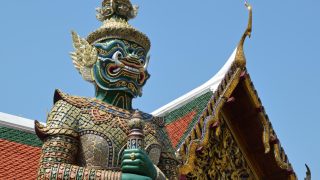
The Temple of the Emerald Buddha at the Grand Palace is a visually stunning, carefully maintained sacred complex centered on the Emerald Buddha; visitors note its intricate gilded architecture, mosaics, murals and sculptures, a serene atmosphere despite crowds, strict dress code and helpful staff, and recommend allowing plenty of time to explore, going early for a calmer experience and bringing a respectful attitude.


FAQs for Visiting Wat Chakkrawat
Nearby Attractions to Wat Chakkrawat
- Wat Traimit - Home to the world's largest solid gold Buddha.
- Sampeng Lane Market - A lively wholesale market filled with bargains and local snacks.
- Talat Kao Market - A 200-year-old Chinese market specializing in traditional foods.
- So Heng Tai Mansion - A historic Chinese courtyard home hidden in nearby Talat Noi.
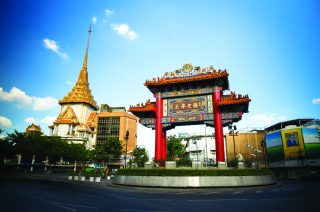
- Chinatown Gate (Odeon Circle) - The symbolic entrance to Bangkok's Chinatown.
The Wat Chakrawat (The Crocodile Temple) appears in our Complete Guide to Visiting Bangkok!

Moira & Andy
Hey! We're Moira & Andy. From hiking the Camino to trips around Europe in Bert our campervan — we've been traveling together since retirement in 2020!
This website uses affiliate links which may earn a commission at no additional cost to you!
Planning Your Visit
Nearby Attractions
- Sampeng Lane (0.1) km
Street - Phahurat Market (0.5) km
Market - Talat Kao (Old Market) (0.5) km
Market - Wat Mangkon Kamalawat (Dragon Lotus Temple) (0.6) km
Buddhist Temple - Leng Buai Ia Shrine (0.6) km
Chinese Shrine - Pak Khlong Talat (0.8) km
Market - Yaowarat Road (0.8) km
Street - Bangkok Wat Suthat (Giant Swing) (1.0) km
Historic Site - Wat Ratchabophit (1.0) km
Buddhist Temple - Kuan Yim Shrine (1.0) km
Chinese Shrine