Wat Arun (Temple of Dawn), Bangkok
Buddhist Temple in Bangkok
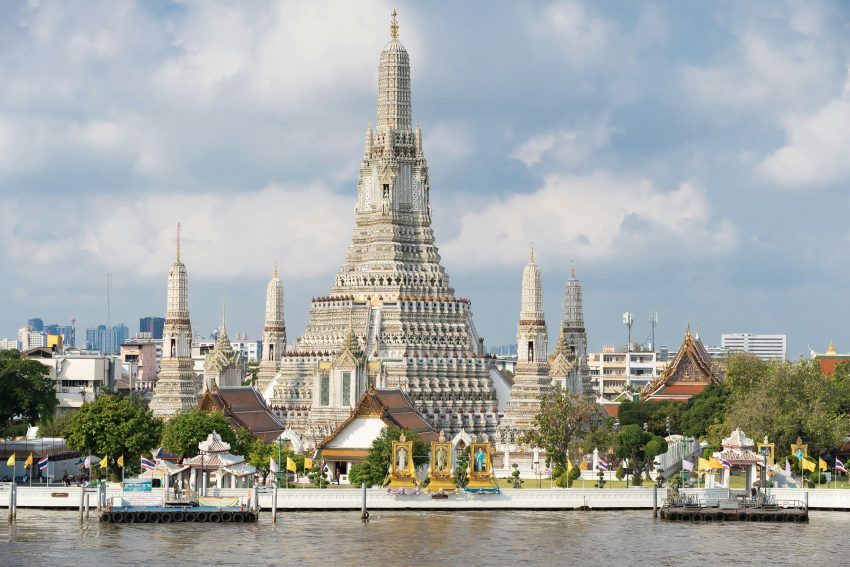
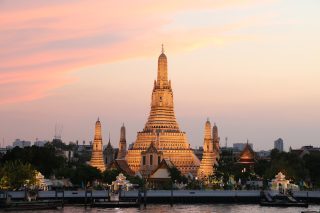
Wat Arun Ratchawararam, locally known as Wat Chaeng, stands as one of the most recognizable temples in Bangkok. Its dazzling spires, decorated with colorful porcelain and glass mosaics, shimmer in the sunlight and glow beautifully as dusk falls over the river. Situated on the Thonburi side of the Chao Phraya River, this iconic site is one of the top attractions in Bangkok and a must for anyone wanting to experience the grandeur of Thai architecture and spirituality.
This spot is one of the best places to see in Bangkok during sunset, when the temple's silhouette glows gold against the evening sky. Whether you approach it by boat or cross the river from Wat Pho, Wat Arun's beauty is undeniable-a great place to visit on a walking tour of Bangkok's riverside temples, where history and art meet in perfect harmony.
History and Significance of Wat Arun
Wat Arun traces its origins back to the Ayutthaya period, when it was known as Wat Makok. Following the fall of Ayutthaya in 1767, King Taksin established Thonburi as his capital and arrived at this very site at dawn, inspiring the name Wat Chaeng, or the Temple of the Dawn. It later became a royal temple under King Rama II, who oversaw the restoration of its ordination hall and designed the temple's principal Buddha image, Phra Niramitr.
During the reign of King Rama III, the central prang, or Khmer-style tower, was expanded to its present height of 70 meters. Covered in intricate mosaics made from fragments of Chinese porcelain, the pagoda reflects sunlight in dazzling patterns throughout the day. For a brief period, the Emerald Buddha was also housed here before being moved to Wat Phra Kaew in the Grand Palace.
Wat Arun’s structure symbolizes Mount Meru, the center of the universe in Buddhist cosmology. The towering central prang represents the mountain’s peak, surrounded by four smaller pagodas and guardian figures that protect the cardinal directions. This fusion of symbolism and artistry captures the temple’s spiritual and architectural brilliance.
Things to See and Do in Wat Arun
The most striking feature of Wat Arun is its grand prang, adorned with floral motifs and geometric patterns created from colored porcelain and seashells. Visitors can climb partway up the steep staircase of the central tower to enjoy panoramic views of the Chao Phraya River, the Grand Palace, and Wat Pho on the opposite bank.
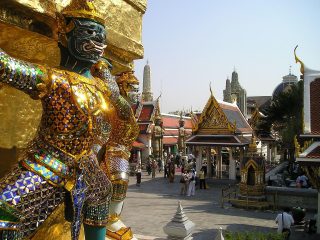
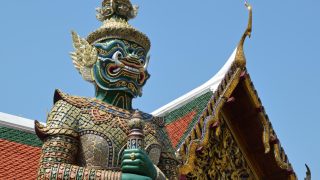
Inside the ordination hall (ubosot), the Niramitr Buddha image-designed by King Rama II-sits serenely against murals depicting the life of the Buddha. Surrounding the main temple are smaller prangs, Chinese-style pavilions, and striking guardian statues representing the Hindu god Indra riding the elephant Erawan. Along the riverfront, six pavilions once served as royal landing points for the Royal Barge Procession, a tradition where the king would travel by water to deliver robes to monks at the end of Buddhist Lent.
Other highlights include the marble boundary stones around the ordination hall, the intricate murals of Buddhist cosmology, and the king’s crown placed at the top of the main pagoda by King Rama III. The temple’s combination of Thai, Khmer, and Chinese influences creates a mesmerizing architectural blend that remains one of the most photographed sights in the city.
How to Get There
Wat Arun is located on the west bank of the Chao Phraya River in the Thonburi district. The most scenic and convenient way to reach it is by taking a river ferry from Tha Tien Pier, directly across from Wat Pho. The temple is also accessible by road, though traffic in this area can be heavy during peak hours. Visitors can reach Tha Tien Pier by BTS to Saphan Taksin Station, followed by a short boat ride upriver to the temple pier.
Practical Tips on Visiting Wat Arun
- Best time to visit Wat Arun: Early morning for soft light and cooler temperatures, or sunset for dramatic views across the river.
- Entrance fee in Thai Baht: 50 THB per person.
- Opening hours: Daily from 8:00 AM to 5:30 PM.
- Official website: Information available on the Tourism Authority of Thailand’s official page.
- How long to spend: Around 1 to 1.5 hours, including time for photography and climbing the prang.
- Accessibility: Ground areas are accessible; the prang climb requires caution due to steep steps.
- Facilities: Restrooms, souvenir shops, and small cafés near the entrance.
- Photography tip: The best photos are taken from across the river at Wat Pho or from nearby rooftop bars.
- Guided tours: Included in many river or temple tours of Bangkok’s historic district.
- Nearby food options: Enjoy riverside dining at Supanniga Eating Room or The Deck by Arun Residence for great views of the temple at night.
Is Wat Arun Worth Visiting?
Without question. Wat Arun is one of the top sights in Bangkok and a masterpiece of Thai temple architecture. Its riverside setting, brilliant craftsmanship, and spiritual symbolism make it an unforgettable experience. Whether viewed from afar or explored up close, Wat Arun embodies the essence of Bangkok's cultural identity-timeless, radiant, and deeply meaningful.
What Other Travellers Say...

Wat Arun Ratchawararam Ratchawaramahawihan sits on the Chao Phraya River and is dominated by an ornately tiled central prang covered in porcelain and seashells; visitors praise its stunning detail and river views, recommend arriving early or a couple of hours before sunset for the best light and fewer crowds, and note the steep, narrow steps up the prang which may be challenging for children or older visitors. Many travelers mention renting traditional Thai costumes from nearby vendors for photos (often much cheaper on-site than booked in advance) and report clean grounds with a relaxed riverside atmosphere, though it can feel humid, crowded, and the river water has a noticeable smell; modest dress is required and there are small refreshment options on site.


FAQs for Visiting Wat Arun
Nearby Attractions to Wat Arun
- Wat Pho - Home to the Reclining Buddha and a major temple complex across the river.
- The Grand Palace - Bangkok's most visited landmark and home to the Emerald Buddha.
- Wat Kalayanamit - A peaceful temple nearby with a giant seated Buddha.
- Tha Tien Market - A local riverside market offering snacks and souvenirs.
- Museum of Siam - A modern interactive museum exploring Thai culture and history.
The Wat Arun (Temple of Dawn) appears in our Complete Guide to Visiting Bangkok!

Moira & Andy
Hey! We're Moira & Andy. From hiking the Camino to trips around Europe in Bert our campervan — we've been traveling together since retirement in 2020!
This website uses affiliate links which may earn a commission at no additional cost to you!
Planning Your Visit
8:00 AM to 5:30 PM
50 Baht to enter the temple grounds.
Nearby Attractions
- Chao Phraya River (0.2) km
River - Wat Pho (Temple of the Reclining Buddha) (0.4) km
Buddhist Temple - Museum of Siam (0.6) km
Museum - The Royal Grand Palace (0.8) km
Palace - Pak Khlong Talat (0.8) km
Market - Wat Ratchapradit (1.0) km
Buddhist Temple - Saranrom Palace (1.0) km
Palace - Wat Phra Kaew (Temple of the Emerald Buddha) (1.0) km
Buddhist Temple - Wat Ratchabophit (1.1) km
Buddhist Temple - Lak Mueang (1.1) km
Historic Site