Villa Cerami, Catania
Historic Building, Historic Site and Palace in Catania
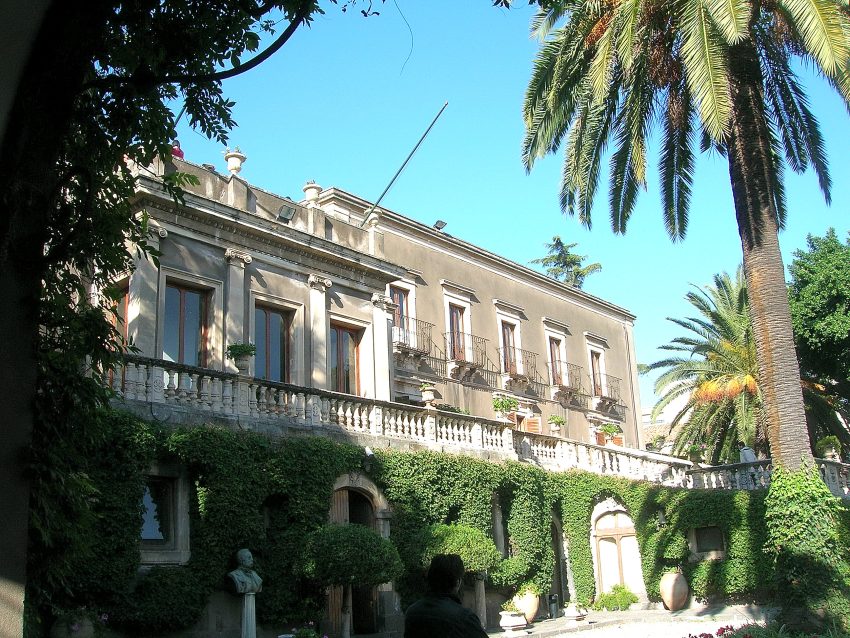
Villa Cerami is a stately historic villa in the heart of Catania's old town, best known today as the home of the University of Catania's Law School. Even if you're not here for academia, it's a memorable stop for architecture lovers: a grand entrance, elegant interiors (when accessible), and a calm courtyard-and-garden feel that contrasts with the lively streets nearby.
It sits right by Via dei Crociferi, one of Catania's most beautiful Baroque streets, so it's easy to include on a walking tour that also takes in churches, palazzi, and small cafés. If you're planning a day on foot, this is one of the best places to pause, look up at the details, and enjoy a quieter corner of the center.
Table of Contents
- History and Significance of the Villa Cerami
- Things to See and Do in the Villa Cerami
- How to Get to the Villa Cerami
- Practical Tips on Visiting the Villa Cerami
- Where to Stay Close to the Villa Cerami
- Is the Villa Cerami Worth Visiting?
- For Different Travelers
- FAQs for Visiting Villa Cerami
- Nearby Attractions to the Villa Cerami
History and Significance of the Villa Cerami
Villa Cerami began as a private residence and is tied to Catania's aristocratic past, with its 18th-century character still visible in the monumental feel of the building. Over time, the property passed through different owners, reflecting the city's shifting social and political landscape.
One of the most cited moments in its story is its role as a prestigious host: in the late 19th century, it welcomed Italy’s royal couple, Umberto and Margherita, a sign of the villa’s status and the city’s importance at the time.
In the modern era, Villa Cerami took on a public, civic role when it became part of the University of Catania. Today it's associated with the Faculty/Department of Law, which gives the villa a lived-in atmosphere: you're not just visiting a preserved monument, but a historic building that still functions daily.
Things to See and Do in the Villa Cerami
Start with the approach and entrance: the villa’s presence is part of the experience, especially if you arrive from Via dei Crociferi and take in the surrounding Baroque streetscape. If you can access the interior, visitors often highlight the sense of grandeur and the “stately” layout.
Inside (when open to visitors), look for the most photogenic architectural moments: staircases, high-ceilinged rooms, and the overall palatial proportions. The atmosphere can feel surprisingly serene, even though you're in the center of Catania.
Don’t skip the outdoor spaces. Reviews frequently mention the courtyard, garden, and terraces as highlights, and they’re ideal for a short reset during a walking day. If guided visits are available during your trip, they can add helpful context about the villa’s phases and its university life today.
How to Get to the Villa Cerami
The nearest airport is Catania–Fontanarossa Airport (Vincenzo Bellini), which is the main gateway for most travelers arriving by air. For the best deals and a seamless booking experience, check out these flights to Catania on Booking.com.
If you're coming by train, arrive at Catania Centrale and then continue on foot or by local transit into the historic center, where Villa Cerami is an easy stop on a walking route. Use Omnio to easily compare schedules, book train tickets, and find the best prices all in one place for a hassle-free journey across Italy.
By car, it’s best to park outside the tightest parts of the old town and walk in, since central streets can be narrow and traffic restrictions may apply. If you are looking to rent a car in Italy I recommend having a look at Discover Cars, first, as they compare prices and review multiple car rental agencies for you.
Practical Tips on Visiting the Villa Cerami
- Official website: https://www.unict.it/it/terza-missione/palazzi-storici/villa-cerami
- Entrance fee: Check official website.
- Opening hours: Monday – Friday: 07:30–20:00.
- Best time to visit: Weekday mornings tend to be the easiest time to access a university building and enjoy the area before the streets get busier. Pair it with a stroll along Via dei Crociferi for peak “Catania Baroque” atmosphere.
- How long to spend: Plan 20–45 minutes for a quick look and courtyard time, or up to an hour if you catch an open interior area or a guided explanation.
- Accessibility: Expect historic-building constraints such as steps and uneven surfaces; access can vary depending on which areas are open and university activity.
- Facilities: Because it functions as a Law School, visitor-style services can be limited; count on nearby cafés and bars in the surrounding streets for breaks.
Where to Stay Close to the Villa Cerami
Base yourself in Catania's historic center to reach Villa Cerami on foot and to keep your evenings flexible for food, sights, and short walks.
Palace Catania | UNA Esperienze A polished, central option on Via Etnea that makes it easy to combine Villa Cerami with the city's main shopping-and-sightseeing spine.
Duomo Suites & Spa A strong pick near Piazza del Duomo if you want a stylish base close to major landmarks and an easy walk to Via dei Crociferi.
Liberty Hotel A boutique-feeling stay that suits travelers who like classic character and a quieter street while still being close to the center.
Habitat Boutique Hotel Great for design-forward travelers who want a contemporary vibe and quick access to central restaurants and evening strolls.
NH Catania Centro A dependable, comfortable choice with good transport connections, useful if you’re balancing day trips with time in the old town.
Is the Villa Cerami Worth Visiting?
Yes, Villa Cerami is worth visiting if you enjoy historic architecture and want a quieter, more “local-life” stop in central Catania. The mix of aristocratic grandeur and present-day university energy makes it feel authentic rather than staged, and it fits naturally into a Baroque walking route.
Honest Pivot: if you're short on time and prefer attractions with guaranteed museum-style access and set visiting hours, you may find Villa Cerami frustrating because entry can depend on university activity and what areas are open. In that case, prioritize Catania's major churches, squares, and the better-known archaeological sites, then treat Villa Cerami as a bonus if it lines up.
What Other Travellers Say...

Reviews are strongly positive overall, with visitors praising Villa Cerami's historic character and the sense of grandeur inside. Common highlights include the elegant interiors, a beautiful courtyard/garden/terrace feel, and its location near scenic Baroque streets that make it easy to combine with a walking tour. A recurring downside is that it functions as a university building, so it can feel quiet and service-light (no on-site café), and access may depend on what areas are open.


For Different Travelers
Villa Cerami works best as a flexible stop: something you weave into a walk rather than the single “main event” of your day. Think of it as a beautiful building with occasional interior access, plus a calm outdoor moment in the middle of the city.
Families with Kids
For families, the appeal is the quick, low-effort stop: a change of pace from busier squares and a chance to reset in a calmer environment. Kids who like big staircases and “palace-like” spaces may enjoy the sense of scale.
Because it’s an active university site, keep expectations simple and be ready to move on if certain areas aren’t accessible. Pair it with a nearby snack stop so the visit stays upbeat and short.
Couples & Romantic Getaways
Couples will like Villa Cerami as part of a slow walk through the historic center, especially around Via dei Crociferi. The atmosphere can feel surprisingly peaceful for such a central location.
If you catch it at a quiet moment, it’s a lovely place for photos with elegant backdrops and a more intimate feel than the city’s busiest viewpoints. Follow it with a café stop nearby for an easy, romantic rhythm.
Budget Travelers
Villa Cerami can be a smart budget-friendly addition because it's primarily a walking-tour stop in an area you'll likely explore anyway. Even a short exterior-and-street visit delivers a lot of “Catania character” without needing a big-ticket plan.
To keep costs down, build a self-guided loop: Via dei Crociferi, nearby churches, and central squares, using cafés only when you want a break. Treat any interior access as a bonus rather than something you pay extra to guarantee.
History Buffs
History lovers will appreciate the villa's layered identity: aristocratic residence, royal visit associations, and its later role within the University of Catania. It's a good example of how historic buildings in Sicily often continue to function rather than becoming frozen museum pieces.
To deepen the visit, focus on the architectural details and the setting within Catania’s Baroque streetscape. If you find a guided explanation available, it can help connect the villa to the broader story of the city’s rebuilding and cultural life.
FAQs for Visiting Villa Cerami
Getting There
Tickets & Entry
Visiting Experience
Tours, Context & Itineraries
Photography
Accessibility & Facilities
Food & Breaks Nearby
Safety & Timing
Nearby Attractions to the Villa Cerami
- Via dei Crociferi: Catania’s iconic Baroque street, packed with ornate façades and a classic walking-tour atmosphere.
- Monastero dei Benedettini di San Nicolò l'Arena: A vast monastic complex with layered history and impressive architecture.
- Piazza del Duomo: The city's main square, ideal for people-watching and seeing Catania's headline landmarks.
- Cattedrale di Sant'Agata: Catania's cathedral, central to the city's identity and an easy stop on any old-town route.
- Teatro Romano di Catania: A Roman-era site tucked into the city fabric, offering a different historical layer close to the center.
The Villa Cerami appears in our Complete Guide to Visiting Catania!

Moira & Andy
Hey! We're Moira & Andy. From hiking the Camino to trips around Europe in Bert our campervan — we've been traveling together since retirement in 2020!
This website uses affiliate links which may earn a commission at no additional cost to you!
Planning Your Visit
Monday - Friday: 07:30-20:00.
Check official website.
Nearby Attractions
- Church of St. Camillus (0.1) km
Attraction, Church and Religious Building - Chiesa di San Biagio in Sant'Agata alla Fornace (0.1) km
Church, Historic Building and Religious Building - Roman Amphitheater of Catania (0.1) km
Amphitheatre, Roman Site and Ruins - Statue of Vincenzo Bellini (0.2) km
Memorial, Sculpture and Statue - Via Etnea (0.2) km
Area, Street and Walk - Church of Saint Julian (0.2) km
Church, Religious Building and Viewing Point - Chiesa di San Francesco Borgia (0.3) km
Church and Religious Building - Church of Saint Benedict (0.3) km
Church, Historic Building and Religious Building - Basilica della Collegiata (0.3) km
Basilica, Church and Historic Building - Terme della Rotonda (0.3) km