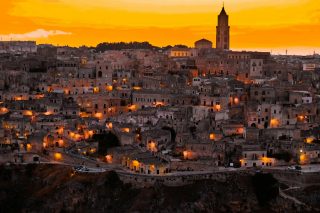
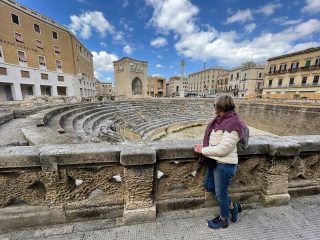
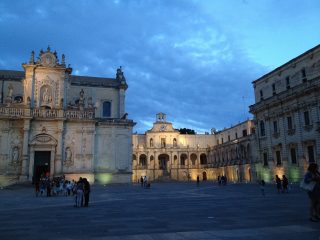
Via Ridola, Matera
Area, Street and Walk in Matera
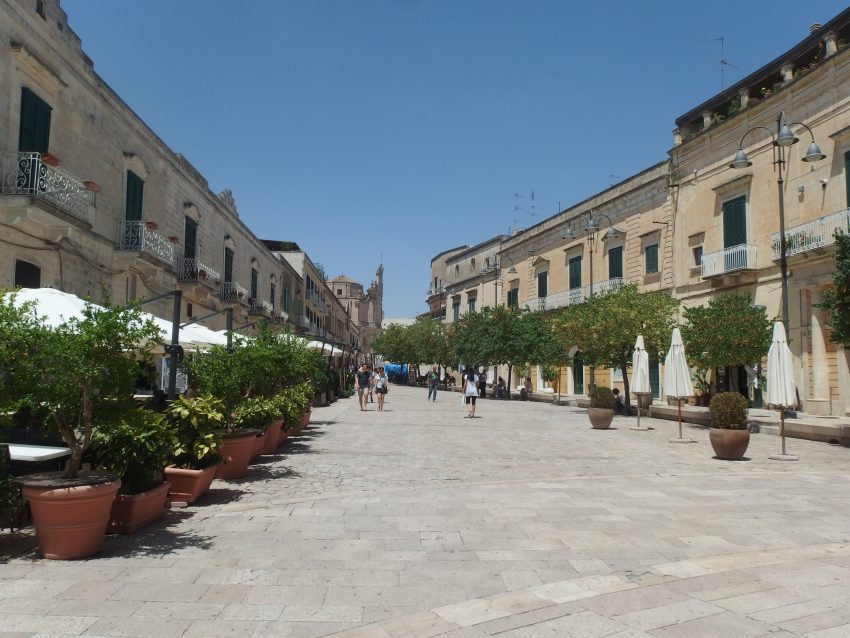
Via Ridola is one of Matera's most pleasant central streets, running along the Piano (the “newer” upper town) and leading you toward the dramatic drop-off into the Sassi. It's an easy, elegant stroll with a mix of historic façades, small cultural stops, and a steady sense that you're approaching something special.
If you're joining a walking tour, Via Ridola is a natural meeting-and-warm-up stretch: flat, well-connected, and packed with context before you descend into the cave districts. It's also one of the best places to pause for a coffee, spot key landmarks like the Museo Ridola area, and set up for viewpoints near Piazza Pascoli.
Table of Contents
- History and Significance of the Via Ridola
- Things to See and Do in the Via Ridola
- How to Get to the Via Ridola
- Practical Tips on Visiting the Via Ridola
- Where to Stay Close to the Via Ridola
- Is the Via Ridola Worth Visiting?
- For Different Travelers
- FAQs for Visiting Via Ridola
- Nearby Attractions to the Via Ridola
History and Significance of the Via Ridola
Via Ridola is closely tied to Matera's shift from the ancient Sassi to the Piano, the more “formal” upper town that developed as civic and religious institutions expanded beyond the ravine. Walking here, you can feel that transition: the street reads as a bridge between two Materas, with the Sassi never far from view.
The street is named for Domenico Ridola, an important figure in Matera’s cultural and archaeological story. His name is also associated with the city’s archaeological museum, reinforcing Via Ridola’s identity as a corridor of learning and heritage rather than just a pass-through route.
Architecturally, Via Ridola’s appeal comes from its dignified stone buildings and the way it frames churches and museum entrances within a compact, walkable stretch. Even if you don’t go inside every site, the street itself works like an open-air introduction to Matera’s layers.
Things to See and Do in the Via Ridola
Start by treating Via Ridola as a slow promenade: look up at the stonework, scan for church façades, and notice how the street's atmosphere changes as you approach the Sassi side. It's ideal for a self-guided “orientation walk” on your first morning in Matera.
If you like culture, pair the stroll with a museum stop nearby (especially if you're building a broader Matera itinerary around archaeology and regional art). If museums aren't your priority, use Via Ridola as a scenic connector between cafés, small shops, and the viewpoints around Piazza Pascoli.
For photography, this street is especially rewarding in late afternoon when the light warms the tuff stone. Walk it once in daylight for details, then again near sunset to catch the glow and the first hints of evening life.
How to Get to the Via Ridola
The nearest major airports are Bari Karol Wojtyła Airport (often the most convenient), Brindisi Airport, and Naples International Airport, then continue onward to Matera by ground transport. For the best deals and a seamless booking experience, check out these flights to Matera on Booking.com.
By train, many travelers connect via Bari and then use regional rail/bus links into Matera, or arrive at one of Matera's stations and continue on foot or by taxi to the historic center. Use Omnio to easily compare schedules, book train tickets, and find the best prices all in one place for a hassle-free journey across Italy.
If you're driving, aim for a parking area outside the restricted-traffic zones and walk in, since central streets like Via Ridola are often within pedestrian or limited-access areas. If you are looking to rent a car in Italy I recommend having a look at Discover Cars, first, as they compare prices and review multiple car rental agencies for you.
Practical Tips on Visiting the Via Ridola
- Entrance fee: Free.
- Opening hours: 24 Hours.
- Best time to visit: Go early morning for a calm, uncrowded stroll, or late afternoon for warmer light and a livelier café scene.
- How long to spend: 20–40 minutes for a relaxed walk with photo stops; 1–2 hours if you add a museum visit or a longer viewpoint loop.
- Accessibility: Generally easy on foot compared with the Sassi, but expect stone paving and occasional uneven surfaces; comfortable shoes help.
- Facilities: You'll find cafés, gelato, and restrooms in nearby venues; services are easiest around the Piano side and Piazza Pascoli.
Where to Stay Close to the Via Ridola
Base yourself in the central Piano or right at the Sassi edge near Piazza Pascoli for the easiest walks to Via Ridola, viewpoints, and evening dining.
Palazzo Gattini Luxury Hotel Chosen for a high-end, classic Matera stay with a prime old-town position that makes it easy to walk to Via Ridola and back without relying on transport.
Aquatio Cave Luxury Hotel & Spa Included for the unique cave-room experience and spa downtime after long walks; it's a memorable “only in Matera” base within walking distance of the street.
Hotel Sant’Angelo A strong pick for travelers who want to be right in the Sassi atmosphere while still having straightforward access up toward Via Ridola and the Piano.
Il Belvedere Recommended for reliable comfort and views, with a location that works well for sunrise/sunset loops that naturally pass through Via Ridola.
Locanda di San Martino Hotel & Thermae Romanae Added for its character-filled rooms and on-site thermal-style relaxation, ideal if you’re balancing sightseeing with slower evenings.
Is the Via Ridola Worth Visiting?
Yes. Via Ridola is worth visiting because it's an easy, beautiful connector that helps you understand Matera's layout, and it puts several key cultural stops, churches, and viewpoints within a short, pleasant walk.
Honest Pivot: If you're short on time and only want the most dramatic “wow” scenery, you could prioritize the Sassi lanes and the ravine viewpoints instead, using Via Ridola simply as a quick route rather than a destination.
For Different Travelers
Via Ridola is flexible: it can be a quick pass-through to the Sassi, a café-and-photos stroll, or a culture-focused corridor if you add museums and churches along the way.
Families with Kids
Via Ridola works well for families because it's comparatively flat and less physically demanding than many Sassi stairways. It's a good place to reset with snacks, gelato, or a short break between more intense sightseeing blocks.
To keep kids engaged, turn it into a simple scavenger hunt: spot carved stone details, church façades, and changing views as you approach the Sassi edge. Pair it with a viewpoint stop so there’s a clear “reward” at the end of the walk.
Couples & Romantic Getaways
For couples, Via Ridola is a low-effort, high-payoff stroll that feels polished and atmospheric, especially in golden hour. It's ideal for a pre-dinner walk that starts in the Piano and ends near viewpoints.
Make it romantic by planning a slow route with one intentional stop: a coffee or aperitivo, then a short walk onward to a scenic overlook. The street’s lighting and stone textures photograph beautifully for shared travel memories.
Budget Travelers
Budget travelers will appreciate that Via Ridola is essentially a free experience: a scenic walk that delivers architecture, ambiance, and access to major sights without needing tickets. It's also a smart route for navigating on foot and avoiding taxis.
To keep costs down, use Via Ridola as your backbone for a DIY walking itinerary: start with a bakery breakfast, walk the street, then continue into the Sassi and viewpoints with minimal paid entries.
History Buffs
History lovers should treat Via Ridola as a context corridor: it's where Matera's “institutional” story meets the older cave-city narrative. The street's name and nearby museum connections add a clear thread to follow.
Plan a history-focused loop: walk Via Ridola slowly, then add an archaeological or art stop nearby, and finish by descending into the Sassi to compare the built forms and urban layers you've just learned about.
FAQs for Visiting Via Ridola
Getting There
Tickets & Entry
Visiting Experience
Tours, Context & Itineraries
Photography
Accessibility & Facilities
Food & Breaks Nearby
Safety & Timing
Nearby Attractions to the Via Ridola
- Museo Nazionale di Matera (Ridola): Matera's key archaeology-focused museum stop associated with Domenico Ridola.
- Palazzo Lanfranchi: A major cultural site nearby, often paired with museum visits and a Piano-to-Sassi walking route.
- Piazza Pascoli: A popular square at the Sassi edge with excellent viewpoints and a classic Matera panorama.
- Sassi di Matera: The iconic cave districts begin just beyond this area, perfect for continuing your walk.
- Cattedrale di Matera: The hilltop cathedral is a rewarding extension from the center, adding history and views to your route.
The Via Ridola appears in our Complete Guide to Visiting Matera!

Moira & Andy
Hey! We're Moira & Andy. From hiking the Camino to trips around Europe in Bert our campervan — we've been traveling together since retirement in 2020!
This website uses affiliate links which may earn a commission at no additional cost to you!
Planning Your Visit
24 Hours.
Free.
Nearby Attractions
- Museo Archeologico Nazionale Domenico Ridola (0.0) km
Museum - Belvedere Piazzetta Pascoli (0.1) km
Attraction, Square and Viewing Point - Museo di Palazzo Lanfranchi (0.1) km
Gallery, Historic Building and Museum - Chiesa di San Francesco d'Assisi (0.2) km
Church, Historic Building and Religious Building - Castello Tramontano (0.2) km
Castle, Historic Site and Ruins - Piazza San Pietro Caveoso (0.2) km
Historic Site, Square and Viewing Point - Sassi di Matera (0.2) km
Ancient City, Area and Historic Site - Casa Grotta di Vico Solitario (0.2) km
Cave, Historic Site and Museum - Chiesa dei Santi Pietro e Paolo (0.3) km
Church, Religious Building and Viewing Point - MOOM Matera Olive Oil Museum (0.3) km
Attraction, Mill and Museum