Turkish and Islamic Arts Museum, Istanbul
Museum in Istanbul
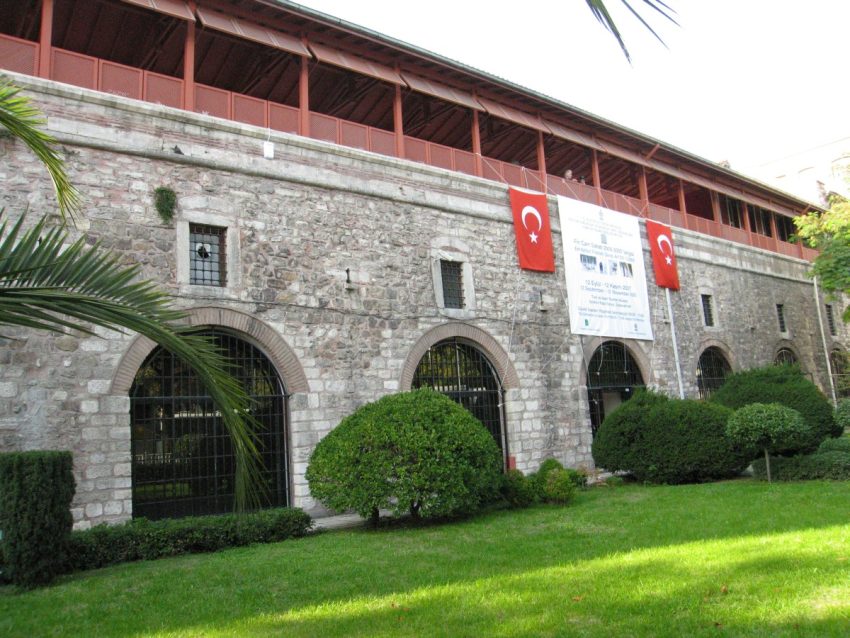
The Turkish and Islamic Arts Museum in Istanbul is housed in one of Sultanahmet's most fascinating landmarks, the former palace of Pargalı Ibrahim Pasha. Overlooking the ancient Hippodrome, it's a place where imperial ambition, artistic mastery, and centuries of Islamic culture meet under one roof. What makes this museum stand out isn't only its remarkable collection of 40,000 artifacts but also its location, sitting above the ruins of Constantinople's Byzantine past. It's easily one of the top sights in Istanbul for travelers seeking a deeper connection to the city's layered identity.
Inside, you can wander through halls filled with intricately illuminated Qur'ans, beautifully knotted carpets, exquisite ceramics, and stunning examples of Ottoman calligraphy. The lower levels delve into Turkey's ethnographic heritage, featuring detailed reconstructions of nomadic dwellings and traditional lifestyles from various regions and eras. This spot is a great place to visit on a walking tour of Istanbul, offering both serenity and insight just steps away from the bustling energy of the Blue Mosque and Hagia Sophia.
Table of Contents
- History and Significance of Turkish and Islamic Arts Museum
- Things to See and Do in Turkish and Islamic Arts Museum
- How to Get There
- Practical Tips on Visiting Turkish and Islamic Arts Museum
- Is Turkish and Islamic Arts Museum Worth Visiting?
- FAQs for Visiting
- Nearby Attractions to Turkish and Islamic Arts Museum
History and Significance of Turkish and Islamic Arts Museum
The Turkish and Islamic Arts Museum occupies the grand 16th-century palace of Ibrahim Pasha, a man whose story reflects both the glory and peril of Ottoman court life. Built in 1524 under Sultan Suleiman the Magnificent, the palace was a gift to his trusted friend and later brother-in-law. Ibrahim Pasha's influence grew rapidly, but court intrigue and jealousy led to his downfall and execution. Despite the tragedy, his palace remained a symbol of Ottoman grandeur and resilience.
In 1983, the building was transformed into the Turkish and Islamic Arts Museum, creating a bridge between architecture, religion, and art. The collection traces the evolution of Islamic artistry from the early Seljuk period to the late Ottoman Empire, making it one of the must-see places in Istanbul for those interested in both aesthetics and history. Beyond art, the museum stands as a chronicle of the region's spiritual and cultural transformations.
Things to See and Do in Turkish and Islamic Arts Museum
Visitors are often captivated by the museum’s immense collection of Islamic manuscripts, including some of the oldest and most beautifully illuminated Qur’ans in existence. The carpet galleries are particularly noteworthy, housing rare Anatolian rugs and prayer mats that highlight centuries of craftsmanship and design innovation. Ottoman ceramics, woodwork, and calligraphy panels showcase the sophistication of artistic production across different dynasties.
Downstairs, the ethnographic section offers an immersive look into Turkey's rural and nomadic traditions. Life-size recreations of tents and interiors provide a vivid understanding of how people lived, worked, and celebrated across Anatolia's diverse regions. Combined with its serene atmosphere and historical aura, the museum's mix of visual and cultural exhibits makes it one of the things to do in Istanbul that feels both educational and contemplative.
How to Get There
The Turkish and Islamic Arts Museum is located in Sultanahmet Square, directly opposite the Blue Mosque. It's easily reachable by tram via the Sultanahmet stop or a short walk from Sirkeci railway station. You can use the official TCDD Taşımacılık website to check schedules, compare routes, and purchase tickets for Turkey’s national and regional trains operated by TCDD. For a more streamlined experience (especially if you prefer an English interface or want to compare across countries), we recommend using Omio, which allows you to easily compare prices, schedules, and book train tickets across Turkey and the rest of Europe — all in one place. If you’re driving, parking options are available in nearby lots around the Hippodrome area, though spaces can be limited, especially during peak tourist seasons. If you are looking to rent a car in Turkey I recommend having a look at Discover Cars, first, as they compare prices and review multiple car rental agencies for you.
Practical Tips on Visiting Turkish and Islamic Arts Museum
- Best time to visit Turkish and Islamic Arts Museum: Early morning or late afternoon to avoid the crowds from nearby attractions.
- Entrance fee in Euros: Around €8 (check for updates).
- Opening hours: Typically 9:00 AM to 7:00 PM (closed on certain public holidays).
- Official website: https://muftis.gov.tr (verify before visiting for latest info).
- How long to spend: 1-2 hours to see the highlights comfortably.
- Accessibility: Wheelchair accessible, though some lower-level areas have stairs.
- Facilities: Restrooms, small café, and museum shop.
- Photography tip: Use natural light from windows to capture the detail in calligraphy and carpet exhibits.
- Guided tours: Available through local tour companies and sometimes arranged on-site.
- Nearby food options: Plenty of restaurants and cafés around Sultanahmet Square offering Turkish and Mediterranean dishes.
Is Turkish and Islamic Arts Museum Worth Visiting?
Absolutely. The Turkish and Islamic Arts Museum is one of the best-preserved palatial spaces in Istanbul, and its collection provides a profound look into Islamic artistry and Turkish heritage. Whether you're passionate about history, architecture, or cultural storytelling, this museum offers a rewarding and peaceful experience away from the city's main tourist throngs.
What Other Travellers Say...

Turkish & Islamic Arts Museum, in Binbirdirek near Sultanahmet Meydanı, occupies a former palace and presents extensive collections of ceramics, carpets, glassware, manuscripts, calligraphy, woodwork, metalwork and ethnographic objects; the displays are well lit, arranged chronologically with clear English information, and include highlights such as a notable carpet hall, calligraphy pieces and a display of a Golden Horn chain. Visitors report a peaceful, reflective atmosphere that rewards a relaxed visit of about 1–2 hours (faster if preferred), accessible with the museum pass or other cards for eligible students, and note helpful staff, clean facilities, a small ground-floor shop and a terrace with views over the busy square.


FAQs for Visiting
Nearby Attractions to Turkish and Islamic Arts Museum
- Blue Mosque - Istanbul's most famous mosque, admired for its six minarets and dazzling interior tiles.
- Hagia Sophia - The city's iconic Byzantine masterpiece, just a few minutes' walk away.
- Basilica Cistern - A mysterious underground chamber once supplying water to the imperial palace.
- Topkapi Palace - Former residence of Ottoman sultans, offering sweeping views over the Bosphorus.
- Great Palace Mosaics Museum - Nearby archaeological site featuring stunning Byzantine-era mosaic floors.
The Turkish and Islamic Arts Museum appears in our Complete Guide to Visiting Istanbul!

Moira & Andy
Hey! We're Moira & Andy. From hiking the Camino to trips around Europe in Bert our campervan — we've been traveling together since retirement in 2020!
This website uses affiliate links which may earn a commission at no additional cost to you!
Planning Your Visit
Nearby Attractions
- Obelisk of Theodosius (0.1) km
Historic Site - Serpent Column (0.1) km
Historic Site - Sultanahmet Square (0.1) km
Square - Walled Obelisk (0.1) km
Historic Site - German Fountain (0.2) km
Fountain - Blue Mosque (0.2) km
Mosque - Theodosius Cistern (0.2) km
Historic Site - Arasta Bazaar (0.3) km
Bazaar - Great Palace Mosaics Museum (0.3) km
Museum - Sultan Ahmet Park (0.3) km
Park