Tuol Sleng Genocide Museum, Phnom Penh
Museum in Phnom Penh
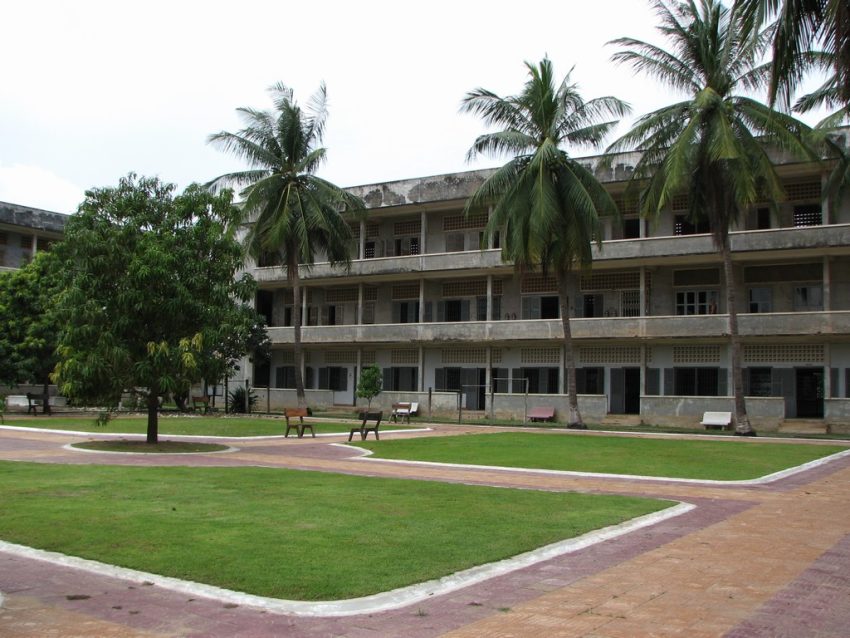
In a quiet Phnom Penh neighbourhood, the Tuol Sleng Genocide Museum occupies the buildings of a former high school that was turned into Security Prison 21 (S-21) by the Khmer Rouge from 1975 to 1979. Within these classrooms-turned-cells, thousands of people were imprisoned, interrogated, tortured and ultimately sent to their deaths; of the estimated 18,000 detainees, only a handful survived. Visiting today is one of the things to do in Phnom Penh if you want to move beyond the riverfront and palaces and confront the darkest chapter of Cambodia's recent history.
The site has been preserved with a stark honesty. Barred windows, crude brick and wooden cells, leg irons, interrogation rooms, and haunting black-and-white photographs of victims line the corridors. Meticulous Khmer Rouge records, mugshots and biographies of survivors make the experience deeply personal, while exhibitions explain the wider context of the regime, the genocide, and the continuing search for justice. Tuol Sleng is often visited on walking tours of Phnom Penh that also include the Killing Fields at Choeung Ek, but even on its own it demands time, quiet and emotional space.
Table of Contents
- History and Significance of the Tuol Sleng Genocide Museum
- Things to See and Do in the Tuol Sleng Genocide Museum
- How to Get to the Tuol Sleng Genocide Museum
- Practical Tips on Visiting the Tuol Sleng Genocide Museum
- Where to Stay close to the Tuol Sleng Genocide Museum
- Is the Tuol Sleng Genocide Museum Worth Visiting
- FAQs for Visiting Tuol Sleng Genocide Museum
- Nearby Attractions to the Tuol Sleng Genocide Museum
History and Significance of the Tuol Sleng Genocide Museum
Before the Khmer Rouge, this compound was Tuol Svay Prey High School, a standard city school with classrooms, balconies and playgrounds. When Pol Pot's regime seized Phnom Penh and emptied the city in 1975, the complex was quickly converted into S-21, one of the most feared security prisons in Cambodia. Classrooms were partitioned into tiny cells, barbed wire was strung along balconies to prevent escapes or suicides, and interrogation rooms were installed where lessons had once been taught.
S-21 became the central node in a nationwide network of prisons and killing fields. People accused of disloyalty, whether real or imagined, were brought here: intellectuals, professionals, former officials, monks, suspected traitors, and often their families, including children. They were photographed, catalogued and forced to sign detailed “confessions” under torture. After that, most were transported to execution sites such as Choeung Ek. Only a very small number of prisoners, mainly those with skills deemed useful (like painting or mechanical repair), survived until the regime fell.
After the Vietnamese army entered Phnom Penh in 1979 and the Khmer Rouge were driven from the capital, S-21 was left largely as it was found. Over time, it was transformed into the Tuol Sleng Genocide Museum, a place of remembrance, documentation and education. Today it plays a critical role in preserving evidence for tribunals, supporting survivor testimony and helping Cambodians and foreign visitors understand both the scale of the crimes and the resilience of those who lived through them.
Things to See and Do in the Tuol Sleng Genocide Museum
The museum’s power lies in its rawness. In the first block, you will find former classrooms turned into interrogation rooms, some still containing metal bedframes, shackles and simple tools. Large photographs taken immediately after the fall of the Khmer Rouge show how these rooms were discovered, linking present visitors to that moment of shock and revelation.
Other buildings contain rows of tiny cells constructed from brick or wood, each one barely large enough to lie down in. Walking these corridors, you can see how the school’s open walkways were caged with barbed wire to prevent prisoners from jumping, a small but chilling detail that says a lot about the regime’s obsession with control. On the walls, hundreds of mugshots stare back at you: men, women and children, photographed on arrival, their expressions ranging from fear and confusion to anger or resignation.
Exhibition rooms provide context, with panels explaining the rise of the Khmer Rouge, the ideology behind the agrarian utopia they sought to build, and the systematic elimination of perceived enemies. You will also find survivor stories, artwork by former prisoners and modern reflections on justice and reconciliation. Take your time in these spaces; many visitors find they need to pause, step outside briefly, and then return. This is not a museum to rush through, and it will stay with you long after you leave.
How to Get to the Tuol Sleng Genocide Museum
International visitors typically arrive in Cambodia through Phnom Penh International Airport or Siem Reap International Airport, with Phnom Penh being the closest hub for reaching Tuol Sleng. For the best deals and a seamless booking experience, check out these flights to Phnom Penh on Booking.com. From Phnom Penh’s airport, you can take a taxi, tuk-tuk or ride-hailing service directly into the city centre and on to the museum area.
Within Cambodia, Phnom Penh is connected to other cities such as Sihanoukville and Kampot by a mix of train and bus routes, although buses and minivans remain the most common way to travel between major destinations.Train schedules and bookings can be found on Omio. Once in the capital, tuk-tuks and taxis are the easiest and most flexible means of reaching Tuol Sleng from riverside areas, the Royal Palace or central hotels.
If you are travelling by car, either your own or a hired vehicle with driver, the museum is located in a central Phnom Penh neighbourhood and is straightforward to reach using main city roads. Parking may be limited directly outside, but drivers are used to dropping visitors at the entrance and waiting nearby.
Practical Tips on Visiting the Tuol Sleng Genocide Museum
- Suggested tips: Approach this visit with respect and be prepared for an emotionally heavy experience; allow quiet time afterwards and consider pairing Tuol Sleng with more reflective activities rather than light entertainment.
- Best time to visit: Mornings are often slightly cooler and less crowded, giving you more space to move slowly through the exhibits; late afternoon can also work but leave enough time before closing.
- Entrance fee: Adults: $5.00, Audio guide: +$5.00
- Opening hours: Every day from 8:00am – 5:00pm
- Official website: https://tuolsleng.gov.kh/en/
- How long to spend: Plan at least 1.5 to 2 hours; many visitors find they need closer to three hours if they use the audio guide and read exhibits carefully.
- Accessibility: Some areas involve stairs and uneven flooring, and temperatures can be high; visitors with mobility issues or health concerns should plan rest breaks and use ground-floor exhibits where necessary.
- Facilities: Basic facilities such as toilets and a small shop or information area are available; for cafés and restaurants you will head back into the surrounding streets.
- Photography tip: Photography is usually allowed but should be done discreetly; avoid flash on sensitive materials and focus on images that convey the atmosphere respectfully rather than graphic details.
- Guided tours: Audio guides in multiple languages are highly recommended, and guided tours with local experts can add further depth, especially for questions about the tribunal process and survivor testimonies.
- Nearby food options: Plan to eat either before or some time after your visit; nearby cafés and restaurants provide Cambodian and international options, but many visitors appreciate a quiet break to process what they have seen.
Where to Stay close to the Tuol Sleng Genocide Museum
Most travellers choose to stay in central Phnom Penh, then visit Tuol Sleng by tuk-tuk or taxi as part of a wider city itinerary. Areas around the riverside, BKK1 and the central business district offer a good balance of comfort, dining options and access to major sights. Many midrange and boutique hotels can arrange transport directly to and from the museum, and staying centrally means you can combine Tuol Sleng with visits to the Royal Palace, National Museum and riverside promenade without long transfers. For a quieter base, some travellers opt for small guesthouses on side streets near BKK1, which still put you within a short ride of the museum while offering a more relaxed atmosphere in the evenings.
Is the Tuol Sleng Genocide Museum Worth Visiting
The Tuol Sleng Genocide Museum is not an easy place to visit, but it is an important one. If you want to understand Cambodia today, you cannot ignore the trauma of the Khmer Rouge years, and Tuol Sleng lays bare how deeply the regime scarred the country's intellectual, professional and even family life. The photographs, records and preserved rooms make the statistics heartbreakingly human, while the focus on memory and education helps ensure these crimes are neither denied nor forgotten. For many visitors, it is one of the most powerful and necessary places to see in Phnom Penh, provided you approach it with sensitivity and enough time for reflection.
What Other Travellers Say...

Tuol Sleng Genocide Museum on Street 113 in Phnom Penh occupies a former Khmer Rouge prison and interrogation center and presents a grim, deeply respectful account of Cambodia's recent atrocities through preserved buildings, photos and personal stories; visitors recommend allowing at least 2–3 hours, taking the audio guide (available in many major languages) or an English-speaking guide to follow the narrated route through four buildings and cells, and note the calm, well-maintained site and outdoor spaces that make the emotional experience more bearable while encouraging reflection and remembrance.


FAQs for Visiting Tuol Sleng Genocide Museum
Nearby Attractions to the Tuol Sleng Genocide Museum
- Choeung Ek Killing Fields: A memorial site outside Phnom Penh where many Tuol Sleng prisoners were executed, often combined with the museum in a single day.
- Royal Palace and Silver Pagoda: The official residence of the King of Cambodia, showcasing traditional Khmer architecture and religious art.
- National Museum of Cambodia: Home to an outstanding collection of Khmer sculpture and artefacts, giving wider historical context beyond the Khmer Rouge period.
- Independence Monument and surrounding parks: A central landmark with nearby green spaces, offering a lighter, open air contrast after a heavy museum visit.
- Riverside promenade and Sisowath Quay: A lively riverside area with cafés and street life, where many visitors go later in the day to decompress and reflect.
The Tuol Sleng Genocide Museum appears in our Complete Guide to Visiting Phnom Penh!

Moira & Andy
Hey! We're Moira & Andy. From hiking the Camino to trips around Europe in Bert our campervan — we've been traveling together since retirement in 2020!
This website uses affiliate links which may earn a commission at no additional cost to you!
Planning Your Visit
Every day from 8:00am - 5:00pm
Adults: $5.00, Audio guide: +$5.00
Nearby Attractions
- Russian Market (Phsar Toul Tum Poung) (1.0) km
Market - Wat Langka (1.3) km
Buddhist Temple - Independence Monument (1.4) km
Monument - Royal Palace of Cambodia (2.2) km
Palace - National Museum of Cambodia (2.3) km
Museum - Central Market (Phsar Thmey) (2.3) km
Market - Wat Ounalom (2.5) km
Buddhist Temple - Sisowath Quay (2.9) km
Walk - Phnom Penh Night Market (3.0) km
Market - Wat Phnom (3.1) km
Buddhist Temple