Theodosius Cistern, Istanbul
Historic Site in Istanbul
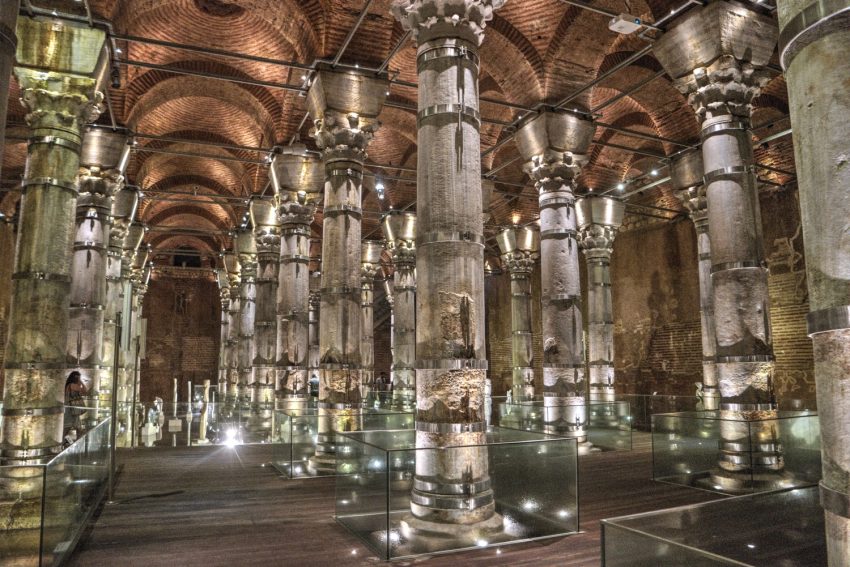
Deep beneath the modern streets of Istanbul lies one of its most fascinating secrets - the Theodosius Cistern. Built between 428 and 443 CE under Emperor Theodosius II, this underground reservoir once formed part of Constantinople's vast water system, channeling water from distant aqueducts to supply palaces, baths, and fountains. Today, after an impressive eight-year restoration, it has reopened as one of the best places to visit in Istanbul for those eager to explore the city's hidden Roman infrastructure.
While smaller than the famous Basilica Cistern, the Theodosius Cistern offers a more intimate experience, with 32 marble columns rising from still waters in soft, atmospheric light. The gentle echoes and subtle soundscape add a meditative quality, making it one of the most tranquil stops often visited on walking tours of Istanbul.
Table of Contents
History and Significance of the Theodosius Cistern
Commissioned by Emperor Theodosius II in the early 5th century, the cistern was designed to store water brought by the Valens and Mazulkemer Aqueducts. Measuring roughly 25 by 45 meters, it held enough water to serve the nearby Nymphaeum (a monumental fountain) and the Great Palace complex. Like many Byzantine cisterns, it was built with recycled materials - the marble columns supporting its brick vaults were likely salvaged from earlier Roman buildings.
Over the centuries, the cistern fell into disuse and was forgotten beneath the growing layers of Istanbul. Rediscovered during urban excavations, it underwent careful restoration by the Istanbul Municipality, reopening in 2018 as a museum and cultural space. Its well-preserved architecture, combined with artistic lighting and exhibits, makes it one of the must-see places in Istanbul for anyone curious about the city's ancient engineering.
Things to See and Do in the Theodosius Cistern
Inside, visitors can admire the symmetry of 32 columns arranged in neat rows, each reflected in the shallow waters below. The lighting has been cleverly designed to enhance the play of shadow and color on the stone surfaces, creating a calm, almost sacred atmosphere. Modern additions include ambient sound effects, which echo like distant drops of water, helping visitors imagine the cistern’s original function.
Occasional art installations and exhibitions bring a contemporary twist to this ancient space. Turkish handmade rugs and artworks are displayed around the cistern, giving it a gallery-like feel. For the best views, use the stairs to look down from above - the perspective emphasizes the geometric precision and timeless elegance of Roman architecture. When you resurface, consider a stop at Ruby Ceramics & Gift Shop across the road for locally made souvenirs and ceramics inspired by Byzantine and Ottoman designs.
How to Get There
The Theodosius Cistern is located in the Fatih district, just a short walk from Sultanahmet Square and other major landmarks such as the Basilica Cistern and Hagia Sophia. The T1 tram line stops at Sultanahmet or Çemberlitaş, both less than five minutes away on foot. For those arriving by train, Sirkeci railway station is around a 15-minute walk from the site. You can use the official TCDD Taşımacılık website to check schedules, compare routes, and purchase tickets for Turkey’s national and regional trains operated by TCDD. For a more streamlined experience (especially if you prefer an English interface or want to compare across countries), we recommend using Omio, which allows you to easily compare prices, schedules, and book train tickets across Turkey and the rest of Europe — all in one place. Limited street parking is available in the nearby Çemberlitaş area, or use one of the small paid car parks around Divan Yolu Avenue. If you are looking to rent a car in Turkey I recommend having a look at Discover Cars, first, as they compare prices and review multiple car rental agencies for you.
Practical Tips on Visiting the Theodosius Cistern
- Best time to visit the Theodosius Cistern: Morning or late afternoon for a quieter visit.
- Entrance fee in Euros: Around €7.
- Opening hours: Daily from 9:00 AM to 6:00 PM.
- Official website: https://sarnicmuzesi.istanbul
- How long to spend: 30-45 minutes.
- Accessibility: Stairs lead down to the cistern; limited wheelchair access.
- Facilities: Ticket counter, small gift area, restrooms nearby.
- Photography tip: Bring a tripod or use low-light settings for reflections on the water.
- Guided tours: Available on-site and through local tour operators.
- Nearby food options: Cafés and restaurants along Divan Yolu serving Turkish coffee, meze, and pastries.
Is the Theodosius Cistern worth visiting?
Absolutely. The Theodosius Cistern may not be as famous as the Basilica Cistern, but its beauty, serenity, and careful restoration make it a true hidden gem. It's one of the top sights in Istanbul for those who enjoy offbeat historical attractions - peaceful, photogenic, and rich in atmosphere.
What Other Travellers Say...

Cistern of Theodosius in Fatih, İstanbul is a historic underground cistern featuring beautiful columns, brick domes and arches; it welcomes visitors daily from 10:00 AM to 6:00 PM, and reviewers recommend arriving early to avoid lines, note there's a lower-priced alternative to the nearby larger basilica cistern, and mention an audio guide in Russian and an impressive light show.



FAQs for Visiting the Theodosius Cistern
Nearby Attractions to the Theodosius Cistern
- Basilica Cistern - The city's most famous underground reservoir, famed for its Medusa heads.
- Hagia Sophia - A monumental landmark of Byzantine and Ottoman heritage.
- Sultanahmet Square - The ancient Hippodrome and heart of Istanbul's Old City.
- Çemberlitaş Column - A Roman monument marking the ancient Forum of Constantine.
- Grand Bazaar - A bustling labyrinth of shops offering Turkish crafts, carpets, and spices.
The Theodosius Cistern appears in our Complete Guide to Visiting Istanbul!

Moira & Andy
Hey! We're Moira & Andy. From hiking the Camino to trips around Europe in Bert our campervan — we've been traveling together since retirement in 2020!
This website uses affiliate links which may earn a commission at no additional cost to you!
Planning Your Visit
Daily from 9:00 AM to 6:00 PM.
Around €7.
Nearby Attractions
- Column of Constantine (0.2) km
Historic Site - Turkish and Islamic Arts Museum (0.2) km
Museum - Serpent Column (0.3) km
Historic Site - Obelisk of Theodosius (0.3) km
Historic Site - Walled Obelisk (0.3) km
Historic Site - Sultanahmet Square (0.3) km
Square - German Fountain (0.4) km
Fountain - Blue Mosque (0.4) km
Mosque - Stone of Milion (0.5) km
Historic Site - Basilica Cistern (0.5) km
Historic Building