Thai Royal Barge Museum, Bangkok
Museum in Bangkok
The Royal Barge Procession is one of the most awe-inspiring spectacles in Bangkok, a ceremonial event that transforms the Chao Phraya River into a living tapestry of Thai artistry and devotion. With its glistening barges, rhythmic oarsmen, and royal symbolism, this tradition embodies the essence of Thailand's cultural heritage. Although rare, the procession-when held-is one of the must-see places in Bangkok, offering a glimpse into centuries of royal ceremony and spiritual ritual.
Often visited on walking tours of Bangkok’s historic riverside, the Royal Barge Procession connects the grandeur of the city’s temples with the legacy of its kings. The event is both a spiritual offering and a celebration of Thailand’s craftsmanship, drawing thousands of spectators to the riverbanks whenever it takes place.
Table of Contents
- History and Significance of the Royal Barge Procession
- Things to See and Do in the Royal Barge Procession
- How to Get There
- Practical Tips on Visiting the Royal Barge Procession
- Is the Royal Barge Procession Worth Visiting?
- FAQs for Visiting the Royal Barge Procession
- Nearby Attractions to the Royal Barge Procession
History and Significance of the Royal Barge Procession
The origins of the Royal Barge Procession date back to the 13th-century Sukhothai Kingdom, when royal war vessels were used for ceremonial purposes. By the Ayutthaya period, the procession had evolved into a grand display of royal power and religious devotion, featuring beautifully crafted barges sailing in intricate formations along the waterways. These events were often held during major Buddhist festivals or to mark royal milestones.
Following the fall of Ayutthaya in 1767, much of the royal fleet was destroyed. When King Rama I established Bangkok as the new capital in 1782, he revived this ancient ritual by commissioning a new fleet of barges. The procession became an essential element of the new dynasty's identity, showcasing the union of monarchy, religion, and craftsmanship.
A pivotal moment came in 1932 during the 150th anniversary of the Chakri Dynasty, when King Rama VII led what would be the final procession under the absolute monarchy. After the transition to a constitutional system later that year, the Royal Barge Procession became less frequent but remained deeply symbolic. Today, it is reserved for extraordinary occasions, such as royal coronations and significant national anniversaries.
Things to See and Do in the Royal Barge Procession
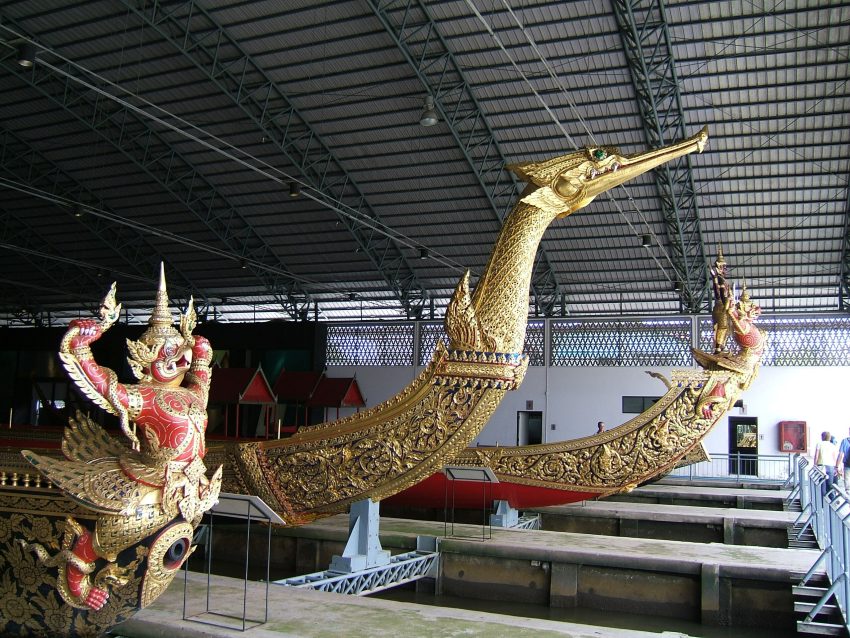
Even when the procession isn't taking place, visitors can still experience its splendor at the Royal Barge National Museum. Located on the Thonburi side of the Chao Phraya River, this museum houses Thailand's royal barge fleet, including 52 vessels that are masterpieces of traditional craftsmanship. The highlight is the Suphannahong, a magnificent barge carved from a single piece of teak in 1911. Measuring 46 meters long, it features gold inlay, glass mosaics, and a swan-like prow that represents grace and purity.
Each barge in the fleet bears a unique design and purpose. Mythical figureheads such as the Garuda, Hanuman, and Narayana symbolize divine protection, courage, and power. During an actual procession, over 2,000 oarsmen in traditional uniforms row in perfect rhythm, accompanied by musicians and royal attendants. The sight of the Suphannahong leading this fleet against the backdrop of Wat Arun and the Grand Palace is one of the most breathtaking images of Thailand's royal tradition.
Visitors who wish to understand the cultural depth of this ceremony can watch documentaries and displays inside the museum, which explain the symbolism behind each vessel and the centuries-old techniques used in their construction. The museum also offers insights into the extensive restoration projects launched after World War II, when bombings severely damaged several barges.
How to Get There
The Royal Barge National Museum is located in the Bangkok Noi district, on the Thonburi side of the Chao Phraya River. The most scenic way to reach it is by taking the Chao Phraya Express Boat to Phra Pinklao Pier, then continuing by taxi or tuk-tuk. Alternatively, visitors can hire a long-tail boat tour that includes a stop at the museum along Bangkok's canals.
Practical Tips on Visiting the Royal Barge Procession
- Best time to visit the Royal Barge National Museum: Late morning or early afternoon when the light enhances the barges’ golden details.
- Entrance fee in Thai Baht: Around 100 THB (subject to change).
- Opening hours: Daily from 9:00 AM to 5:00 PM.
- Official website: finearts.go.th/nationalmuseum (for updated schedules and information).
- How long to spend: 1 to 1.5 hours to explore the museum and exhibits.
- Accessibility: Ground-level access with wide walkways.
- Facilities: Restrooms, souvenir kiosks, and shaded seating areas.
- Photography tip: Flash photography is not allowed inside the museum; use natural light for close-up shots of the intricate carvings.
- Guided tours: Available on request; local guides provide excellent historical context.
- Nearby food options: Riverside cafés and food stalls along Arun Amarin Road offer traditional Thai snacks and cold drinks.
Is the Royal Barge Procession Worth Visiting?
Without a doubt. Even outside the rare occasions when the full procession takes place, the Royal Barge National Museum offers one of the top attractions in Bangkok for those interested in Thai heritage. The exquisite detail and craftsmanship of these royal vessels are a testament to Thailand's enduring artistry and cultural pride. Experiencing the Royal Barges in person provides a deeper appreciation for the ceremony's symbolism and its timeless connection to the Chao Phraya River.
What Other Travellers Say...

Royal Barges National Museum, at 80 Arun Amarin in Bangkok Noi, is a hangar-style museum displaying elaborately carved ceremonial royal barges and associated crew uniforms; visitors say the boats are beautifully preserved and richly decorated, with English descriptions and a short film available, and a visit typically takes under an hour. Some note the site is tucked away down narrow, sometimes poor streets or reached by a hidden path after a pedestrian bridge (boat access is possible), while others consider the entry fee steep for non-locals and the collection compact.


FAQs for Visiting the Royal Barge Procession
Nearby Attractions to the Royal Barge Procession
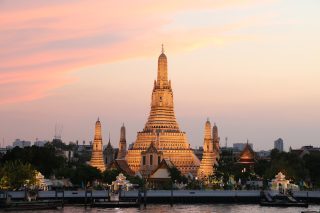
- Wat Arun - The Temple of the Dawn, visible from the museum and central to the barge route.
- Wat Kalayanamit - A riverside temple with a giant seated Buddha, near the Thonburi district.
- National Museum Bangkok - Showcasing Thailand's art, history, and royal heritage.
- Santa Cruz Church - One of Bangkok’s oldest Catholic churches, reflecting the city’s diverse history.
- Wang Lang Market - A lively riverside market perfect for local snacks and souvenirs.
The Thai Royal Barge Museum appears in our Complete Guide to Visiting Bangkok!

Moira & Andy
Hey! We're Moira & Andy. From hiking the Camino to trips around Europe in Bert our campervan — we've been traveling together since retirement in 2020!
This website uses affiliate links which may earn a commission at no additional cost to you!
Planning Your Visit
9am-5pm
Nearby Attractions
- Bangkok's Amulet Market (0.9) km
Market - National Museum Bangkok (1.0) km
Museum - Wat Mahathat (Temple of the Great Relic) (1.1) km
Buddhist Temple - Sanam Luang (1.2) km
Historic Site and Park - Khaosan Road (1.4) km
Street - Wat Phra Kaew (Temple of the Emerald Buddha) (1.4) km
Buddhist Temple - Lak Mueang (1.5) km
Historic Site - The Royal Grand Palace (1.5) km
Palace - Saranrom Palace (1.6) km
Palace - Wat Ratchapradit (1.8) km
Buddhist Temple