Sassi di Matera
Ancient City, Area and Historic Site in Matera

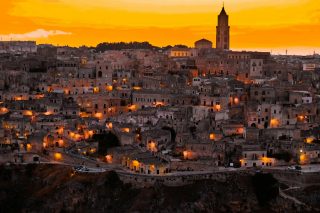
The Sassi di Matera are the city's famous ancient cave districts, a dramatic tangle of stone homes, stairways, rock-cut churches, and terraces carved into a ravine in the heart of Matera, Italy. Wandering here feels like stepping into a living labyrinth: every turn reveals a new balcony view, a hidden courtyard, or a cave doorway tucked into the limestone.
The best way to experience the Sassi is on foot, ideally with a walking tour that helps you understand what you're seeing and how people actually lived here. Even if you explore independently, aim for a mix of panoramic viewpoints (especially across the ravine) and slow, street-level wandering through the lanes of Sasso Barisano and Sasso Caveoso.
Table of Contents
- History and Significance of the Sassi di Matera
- Things to See and Do in the Sassi di Matera
- How to Get to the Sassi di Matera
- Practical Tips on Visiting the Sassi di Matera
- Where to Stay Close to the Sassi di Matera
- Is the Sassi di Matera Worth Visiting?
- For Different Travelers
- FAQs for Visiting Sassi di Matera
- Nearby Attractions to the Sassi di Matera
History and Significance of the Sassi di Matera
The Sassi are among the most extraordinary continuously inhabited landscapes in Europe, shaped by centuries of people adapting to a rugged environment. Homes were carved and expanded within the soft rock, creating a layered city where rooftops become streets and staircases connect multiple “levels” of daily life.
In the 20th century, the Sassi became a symbol of extreme poverty and difficult living conditions, and many residents were relocated. Over time, restoration and careful reuse transformed the area into a cultural landmark, with cave dwellings reimagined as museums, small hotels, workshops, and restaurants.
Today, the Sassi di Matera are celebrated for their cultural value and their rare urban form: a place where architecture, geology, and human history are inseparable. Visiting is not just sightseeing; it's a chance to understand how a city can be built from the landscape itself.
Things to See and Do in the Sassi di Matera
Start with the big-picture views: the classic panorama is from the belvederes facing the Sassi across the ravine, especially around Piazza Vittorio Veneto and the edges of the historic center. From there, descend into the districts and let yourself move slowly—Matera rewards curiosity more than checklists.
In Sasso Caveoso, look for the most “ancient” feeling streetscape, with cave façades and open views down toward the ravine. In Sasso Barisano, you'll find a livelier mix of lanes, small shops, and tucked-away corners that make for great aimless exploration.
To add context, pair your walk with one or two interiors: a rock church, a small museum set in a cave home, or a viewpoint terrace at sunset. A guided walking tour is especially worthwhile if you want to understand the layers of construction, water collection, and how the cave homes were organized.
How to Get to the Sassi di Matera
The nearest major airports are Bari (Karol Wojtyła) and Brindisi, with Naples also a common option for longer itineraries. For the best deals and a seamless booking experience, check out these flights to Matera on Booking.com.
By rail, many travelers arrive via Bari and continue to Matera using regional connections; check schedules carefully because routes and operators can vary.Use Omnio to easily compare schedules, book train tickets, and find the best prices all in one place for a hassle-free journey across Italy.
Driving is convenient for flexibility in Basilicata, but plan to park outside the oldest lanes and walk in, since access and navigation in the Sassi area can be restrictive and confusing for first-timers.If you are looking to rent a car in Italy I recommend having a look at Discover Cars, first, as they compare prices and review multiple car rental agencies for you.
Practical Tips on Visiting the Sassi di Matera
- Entrance fee: Free.
- Opening hours: 24 Hours.
- Best time to visit: Spring and fall are ideal for comfortable walking and clear views; summer is beautiful but can feel intense in the midday heat.
- How long to spend: Give it at least half a day for a satisfying first visit, or a full day if you want viewpoints, museums, and a slower pace.
- Accessibility: Expect steep steps, uneven stone paving, and frequent elevation changes; a guided route can help you choose gentler paths.
- Facilities: You’ll find plenty of cafés, small shops, and restrooms in the upper historic center; services are more limited deeper in the lanes.
Where to Stay Close to the Sassi di Matera
Base yourself in or right on the edge of the historic center so you can walk into the Sassi early and return easily for breaks.
Aquatio Cave Luxury Hotel & Spa A standout for travelers who want the full “sleep in the Sassi” experience with a polished, high-comfort finish and an on-site spa for recovery after long walks.
Sextantio Le Grotte della Civita A highly atmospheric option that leans into candlelit, cave-style design—ideal if you want your hotel to feel like part of the destination rather than just a base.
Palazzo Gattini Luxury Hotel A refined choice near the cathedral area, great for travelers who want classic elegance, strong views, and easy access to both the upper town and the Sassi descents.
Hotel Sant’Angelo Well-placed for stepping straight into the scenery, with a boutique feel and a location that makes sunrise and evening strolls especially easy.
Locanda di San Martino A reliable mid-to-upscale pick with a traditional Matera vibe and a convenient position for exploring on foot without feeling isolated deep in the maze.
Is the Sassi di Matera Worth Visiting?
Yes—absolutely. The Sassi are one of those rare places that feel both visually unreal and deeply human, and the experience of walking through a city carved into stone is hard to match anywhere else in Europe.
Honest Pivot: if you strongly dislike stairs, uneven surfaces, or destinations that require lots of walking and navigation, you may find the Sassi frustrating rather than magical. In that case, consider focusing on panoramic viewpoints and a short guided route designed to minimize steep sections.
For Different Travelers
The Sassi can be tailored to your travel style: you can do a quick highlights walk, a deep historical tour, or a slow, photo-focused wander with long meal breaks. The key is pacing—Matera is compact, but the terrain makes it feel bigger.
Families with Kids
Kids often love the “maze” feel of the lanes and stairways, and the constant viewpoints keep the walk interesting. Choose a route with planned stops—gelato, a small museum, and a viewpoint—so it doesn’t become an endurance test.
A guided tour can work well for families because it turns the landscape into stories: how people collected water, how homes were organized, and why the city looks stacked. If you’re visiting with a stroller, plan for frequent detours and be ready to carry it on steps.
Couples & Romantic Getaways
Matera is naturally romantic: warm stone, candlelit corners, and sunsets that make the ravine glow. Book at least one evening meal in the Sassi so you can enjoy the atmosphere after day-trippers leave.
For a memorable plan, do a late-afternoon walk to viewpoints, then descend for dinner and a slow climb back up under the lights. Couples who enjoy design and ambiance should consider a cave hotel to make the stay feel uniquely “Matera.”
Budget Travelers
You can experience the Sassi beautifully without spending much: the best views and most memorable walks are free, and you can build a full day around wandering and a picnic-style lunch. Focus on viewpoints, self-guided walking loops, and one paid interior (like a small museum or rock church) for context.
Stay just outside the most central lanes to save money while keeping walkability. If you’re watching costs, prioritize a morning or late-day visit when the light is best and you won’t be tempted to “buy your way” into experiences.
History Buffs
For history lovers, the Sassi are a layered case study in adaptation, urban form, and social change. A specialist walking tour is worth it here because the most meaningful details—water systems, carved interiors, and reuse over centuries—are easy to miss alone.
Pair the walk with at least one rock church and one “cave home” style museum to understand daily life beyond the postcard views. You’ll leave with a clearer sense of how the Sassi evolved and why they matter far beyond their cinematic looks.
FAQs for Visiting Sassi di Matera
Getting There
Tickets & Entry
Visiting Experience
Tours, Context & Itineraries
Photography
Accessibility & Facilities
Food & Breaks Nearby
Safety & Timing
Nearby Attractions to the Sassi di Matera
- Matera Cathedral (Duomo): A hilltop landmark with a strong sense of place and great proximity to the Sassi viewpoints.
- Palombaro Lungo: A vast underground cistern system that helps explain how Matera managed water in a challenging landscape.
- Casa Grotta di Vico Solitario: A cave-home style visit that adds real-life context to what you're seeing outside.
- Parco della Murgia Materana: The ravine-side natural area opposite the Sassi, ideal for viewpoints and short hikes.
- Rock Churches of Matera: A network of rupestrian churches with frescoes and carved interiors that deepen the historical story.
The Sassi di Matera appears in our Complete Guide to Visiting Matera!

Moira & Andy
Hey! We're Moira & Andy. From hiking the Camino to trips around Europe in Bert our campervan — we've been traveling together since retirement in 2020!
This website uses affiliate links which may earn a commission at no additional cost to you!
Planning Your Visit
24 Hours.
Free.
Nearby Attractions
- Piazza San Pietro Caveoso (0.1) km
Historic Site, Square and Viewing Point - Chiesa dei Santi Pietro e Paolo (0.1) km
Church, Religious Building and Viewing Point - MUSMA (0.1) km
Cave, Museum and Sculpture - Casa Noha (0.1) km
Historic Building, Historic Room and Museum - Cattedrale di Matera (0.2) km
Cathedral, Church and Religious Building - Chiesa di San Francesco d'Assisi (0.2) km
Church, Historic Building and Religious Building - Casa Grotta di Vico Solitario (0.2) km
Cave, Historic Site and Museum - Museo Archeologico Nazionale Domenico Ridola (0.2) km
Museum - Via Ridola (0.2) km
Area, Street and Walk - Belvedere Piazzetta Pascoli (0.2) km
Attraction, Square and Viewing Point