Saqqara, Cairo
Historic Site near Cairo
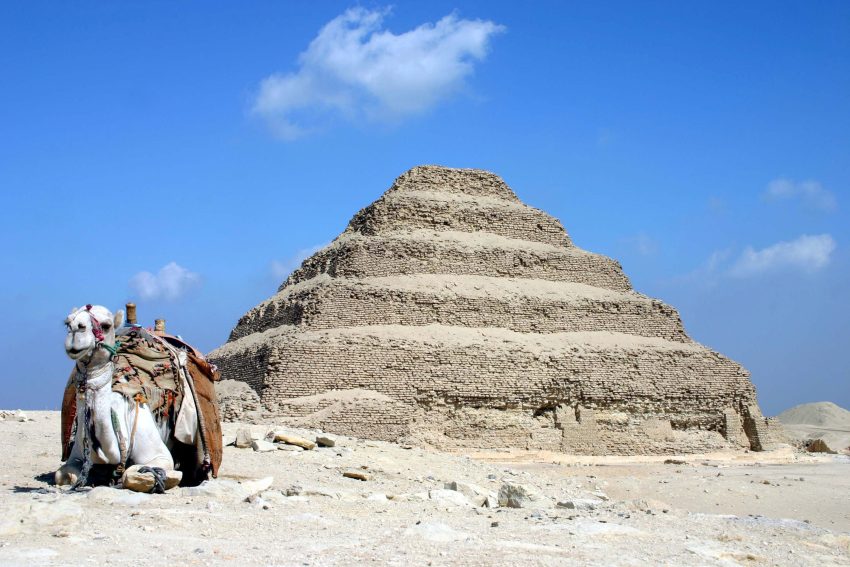
Saqqara is the immense necropolis of ancient Memphis, spread across the desert southwest of Cairo in the Giza region. While it doesn't have the instant “single skyline” impact of Giza, it offers something more immersive: a whole archaeological landscape where pyramids, courtyards, causeways, and richly carved tombs sit side-by-side across thousands of years.
This is the place for travellers who want to see where pyramid-building began to evolve into the form we recognise today. The star is the Step Pyramid of Djoser-older than the famous Giza pyramids-set within a huge ceremonial complex that still feels like an architectural turning point rather than a relic.
History and Significance of the Saqqara
Saqqara was one of the most important cemeteries of Memphis, and its name is commonly linked to Sokar, a Memphite deity associated with the dead and the necropolis. What makes Saqqara exceptional is its time depth: burials and monuments here span from Egypt's earliest dynasties through the Old Kingdom and beyond, which is why it often feels like an open-air museum of ancient Egyptian history rather than a single “site.”
The Step Pyramid of Djoser (Third Dynasty) is Saqqara's defining landmark and a genuine milestone in world architecture-an early experiment in monumentality that set the template for later pyramid development. Saqqara also contains pyramids of major Fifth and Sixth Dynasty kings, along with elite tombs whose carved scenes of daily life, ritual, and status remain among the most vivid windows into the Old Kingdom imagination.
Beyond royal pyramids, Saqqara’s importance continues into later periods, including New Kingdom tombs and the Serapeum-vast underground galleries linked to the cult of the Apis bulls, treated as sacred manifestations connected with Memphis’ religious life. In practical terms, that means your visit can shift quickly from towering pyramid silhouettes to intimate interiors, carved chapels, and subterranean spaces, all within one day.
Things to See and Do in the Saqqara
Start with the Step Pyramid Complex of Djoser and walk it slowly. The enclosure walls, courtyards, and ceremonial spaces make the experience feel like more than “just a pyramid,” and they help you understand how architecture, power, and religion were staged in the Old Kingdom. Even if you’ve already been to Giza, Djoser’s complex hits differently because it’s about beginnings: experimentation, scale, and the first big leap into pyramid-building.
Next, prioritise at least one set of decorated tombs if they’re open on the day you visit. Saqqara’s noble tombs are where the human detail lives-scenes of agriculture, crafts, feasting, and ritual that make ancient Egypt feel specific and lived-in rather than purely monumental. The atmosphere also tends to be calmer than Giza, which makes it easier to take your time without feeling rushed by crowds.
If you enjoy “odd, unforgettable” archaeology, add the Serapeum to your route. Its underground corridors and massive sarcophagi create a completely different mood from the sunlit pyramid plateau-cooler, darker, and more enigmatic, with the sense of descending into a sacred infrastructure rather than visiting a single chamber. Finally, consider the Imhotep Museum as a short, grounding stop that adds context to what you’ve just walked through, especially if you like having names, dates, and excavated objects to connect the dots.
How to Get to the Saqqara
The nearest airports are Cairo International Airport (CAI) and Sphinx International Airport (SPX), with SPX often convenient if you're staying on the Giza side of the city. For the best deals and a seamless booking experience, check out these flights to Cairo on Booking.com.
If you want to use rail for part of the journey, take a train to Giza Station (or Cairo's main station) and continue by taxi or ride-hailing to Saqqara, as there is no direct train to the site itself. Train schedules and bookings can be found on Omio.
Public transport is possible but not especially straightforward, usually involving a combination of metro/bus to Giza and then local transport onward. For most travellers, the simplest plan is to base in Cairo or Giza and arrange a half-day or full-day driver (or a guided day trip) that includes Saqqara and, if you like, nearby Memphis and Dahshur in one loop.
Practical Tips on Visiting the Saqqara
- Entrance fee: EGP 600 (foreign adults); EGP 300 (foreign students).
- Opening hours: Daily: 08:00–17:00.
- Official website: https://egymonuments.gov.eg/en/archaeological-sites/saqqara
- Best time to visit: Go early for cooler temperatures and better visibility, then use mid-late morning for tomb interiors while you still have energy and focus.
- How long to spend: Plan 3-5 hours for Saqqara alone, or a full day if you're pairing it with Dahshur and Memphis.
- Accessibility: Expect uneven ground, sand, and stepped entrances; Saqqara is best approached as a walking-heavy site with variable surfaces.
- Facilities: Bring water and sun protection, and assume that some areas require separate tickets (certain tombs, the Serapeum, and specific add-on monuments) depending on what’s open and what you want to enter.
Where to Stay Close to the Saqqara
For a culture-heavy itinerary, the best base is central Cairo (Downtown/Tahrir or Garden City) so you can pair Saqqara with museums and historic neighbourhoods; for a pyramid-focused trip, stay in Giza near the plateau so you're closer to Saqqara, Dahshur, and early starts on the west bank.
For a classic pyramid-side stay with a sense of occasion, Marriott Mena House, Cairo is hard to beat for location and atmosphere. If you want a highly practical base for museums and day trips with a central address, Steigenberger Hotel El Tahrir Cairo is a reliable choice. For a more polished, quieter riverside base that still keeps you well connected, Kempinski Nile Hotel Garden City Cairo suits travellers who want comfort between big sightseeing days.
Is the Saqqara Worth Visiting?
Yes-if you care about archaeology, Saqqara is one of the most rewarding day trips from Cairo because it offers variety and context, not just iconic silhouettes. The Step Pyramid complex feels foundational in a way that's hard to overstate, and the tombs add human detail that balances the grandeur of royal monuments.
Honest pivot: if your Egypt schedule is extremely tight and you only want the single most famous pyramid view, you can focus on Giza and still feel satisfied. Saqqara is the upgrade for travellers who want depth, quieter exploration, and a better sense of how pyramid-building and elite burial culture evolved over time.
What Other Travellers Say...

Ticket Office Saqquara, located in Saqqara, is the main entry for the Saqqara complex; visitors report friendly staff and an organized, cleaner site with helpful signage, an on-site museum and plenty of toilets. Tickets are easy to buy and an all‑inclusive option can save money, but be aware that some entrances (such as individual tombs) may not be covered by the standard site ticket and signage about inclusions could be clearer. The area is less crowded than Giza, recently renovated in parts, and there's frequent touting and requests for tips—many recommend deciding in advance whether to hire a guide to avoid confusion.


For Different Travelers
Families with Kids
Saqqara works best for families when you treat it as a “big shapes and short stories” visit rather than an all-day deep dive. Focus on the Step Pyramid and one tomb interior, then leave while attention is still high, especially in warmer weather.
If your kids are sensitive to heat or long walks, plan frequent water breaks and keep expectations flexible. Saqqara is more spread out than it looks on a map, so success usually comes from doing fewer things well, not trying to see everything.
Couples & Romantic Getaways
For couples, Saqqara is a strong change of pace from the city: open desert space, fewer crowds, and a feeling of discovery as you move between monuments. It's especially good if you enjoy slow travel-standing in a quiet courtyard, reading carved scenes together, and letting the landscape do the heavy lifting.
To keep it feeling romantic rather than exhausting, go early and finish with a relaxed lunch back in Cairo or Giza. Saqqara is at its best when you leave with energy, not when you push through the hottest hours out of stubbornness.
Budget Travelers
Saqqara is excellent value if you plan logistics carefully, because the main cost is transport rather than the visit itself. Sharing a driver with other travellers or joining a small group day tour can be cheaper than arranging private transport solo, while still saving you the friction of local connections.
If you're managing spending, pick your paid interiors deliberately rather than buying every add-on ticket out of habit. Saqqara is rewarding even from the outside, and you'll get more satisfaction from one or two meaningful entries than from rushing through five.
FAQs for Visiting Saqqara
Getting There
Tickets & Entry
Visiting Experience
Tours, Context & Itineraries
Photography
Accessibility & Facilities
Food & Breaks Nearby
Safety & Timing
Nearby Attractions to the Saqqara
- Dahshur Pyramids: A quieter pyramid field where the Bent Pyramid and Red Pyramid show key steps toward the smooth-sided pyramid form.
- Memphis Open-Air Museum (Mit Rahina): The remains of ancient Memphis, useful for grounding Saqqara's necropolis in the city it once served.
- Abusir Pyramid Field: A lesser-visited cluster of Old Kingdom pyramids that keeps the archaeology theme going without the crowds.
- Giza Plateau: The most famous pyramid complex, ideal for contrasting Saqqara’s “spread-out archaeology” with a single iconic skyline.
- Grand Egyptian Museum (Giza): A modern, high-impact museum stop that pairs well with Saqqara by adding objects and context to what you saw on the plateau.
The Saqqara appears in our Complete Guide to Visiting Cairo!

Moira & Andy
Hey! We're Moira & Andy. From hiking the Camino to trips around Europe in Bert our campervan — we've been traveling together since retirement in 2020!
This website uses affiliate links which may earn a commission at no additional cost to you!
Planning Your Visit
Daily: 08:00-17:00.
EGP 600 (foreign adults); EGP 300 (foreign students).
Nearby Attractions
- Memphis (4.3) km
Historic Site - Dahshūr (8.7) km
Historic Site - Pyramids of Giza (14.7) km
Historic Site - Cairo Tower (19.7) km
Tower - The Egyptian Museum (20.1) km
Museum - Valley of the Kings (478.8) km
Historic Site - Karnak Temple Complex (482.6) km
Historic Site - Luxor Temple (484.2) km
Historic Site