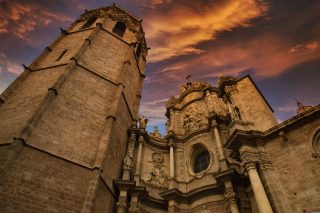
Santa Anna Church, Barcelona
Church in Barcelona
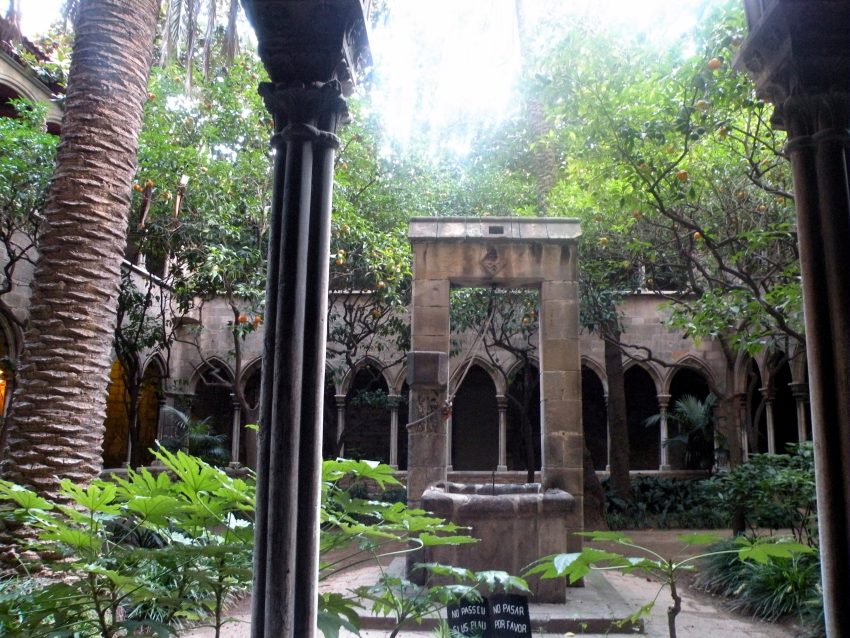
Santa Anna Church is one of those Barcelona surprises you only find by stepping off the obvious route. Just minutes from Plaça de Catalunya, it's tucked into a small passageway that feels almost like a secret courtyard, and inside you'll find a compact church with Romanesque roots and a notably quiet Gothic cloister.
It's a perfect walking-tour “breather stop”: you can go from the noise of Portal de l'Àngel and the city-centre rush to genuine stillness in a couple of minutes. Even if you're not doing a deep church-crawl itinerary, Santa Anna is worth it for the contrast alone-Barcelona at full speed outside, and a slow, contemplative pocket within.
Table of Contents
- History and Significance of the Santa Anna Church
- Things to See and Do in the Santa Anna Church
- How to Get to the Santa Anna Church
- Practical Tips on Visiting the Santa Anna Church
- Where to Stay Close to the Santa Anna Church
- Is the Santa Anna Church Worth Visiting?
- For Different Travelers
- FAQs for Visiting Santa Anna Church
History and Significance of the Santa Anna Church
Santa Anna Church was founded in the late 12th century, closely associated with the Order of the Holy Sepulchre, and it still preserves Romanesque DNA in its core plan and earlier structural elements. Over time, the building evolved with the city: Gothic additions expanded the space, refined the entrance, and introduced the architectural language most people associate with medieval Barcelona.
The most visible medieval shifts came through the 13th and 14th centuries, when Gothic elements reshaped the nave and portal, while the cloister and chapter-house complex developed into one of the most atmospheric small-scale Gothic spaces in the city centre. The result is not a single-style monument, but a layered building that reflects how Barcelona built, rebuilt, and adapted across centuries.
Today, Santa Anna’s significance is partly architectural and partly emotional. It offers a quieter, more local-feeling experience than the headline cathedral sites, and its cloister gives you a rare central-city pause that feels almost monastic-an antidote to the constant motion outside.
Things to See and Do in the Santa Anna Church
Start with the feel of the place rather than a checklist. Step into the nave and notice how the church’s older bones create a different atmosphere from Barcelona’s grander Gothic spaces-more intimate, less performative, and easier to take in at your own pace.
Then make time for the cloister, which is the real highlight for many visitors. It's calm, enclosed, and subtly beautiful, with the kind of quiet details you only notice when you slow down: stonework, arches, and the sense that you've slipped into a different Barcelona hidden behind the retail streets.
If you enjoy art and chapels, look for side spaces that show later layers-small altars, devotional corners, and 20th-century touches that sit alongside medieval fabric. This is a place that rewards a gentle wander and a second look rather than a rushed “photo-and-go.”
How to Get to the Santa Anna Church
Barcelona-El Prat Airport (BCN) is the main arrival point, and the simplest approach is to get into the city centre first, then walk from Plaça de Catalunya or nearby metro stops to the church's tucked-away entrance off Carrer de Santa Anna. For the best deals and a seamless booking experience, check out these flights to Barcelona on Booking.com.
If you arrive by train, Barcelona Sants is the primary station and connects quickly to the city centre by metro; from there, Plaça de Catalunya is an easy hub to reach before walking the final minutes. Train schedules and bookings can be found on Omio.
Santa Anna is easiest to reach on foot once you're in central Barcelona, and it's close to major public-transport nodes around Plaça de Catalunya. If you're traveling by car, don't aim to drive into the old-town streets-park in a paid underground car park around the city centre and walk in. If you are looking to rent a car in Spain I recommend having a look at Discover Cars, first, as they compare prices and review multiple car rental agencies for you.
Practical Tips on Visiting the Santa Anna Church
- Entrance fee: Free (some areas may charge €2).
- Opening hours: Monday – Saturday: 11:00–14:00 & 16:00–19:00. Sunday & Public Holidays: 11:00–14:00.
- Official website: https://www.santaanna.org/
- Best time to visit: Go mid-morning or mid-afternoon for the quietest experience; it's especially rewarding when you're escaping the peak crowd hours around Plaça de Catalunya.
- How long to spend: 25-45 minutes is ideal for the church plus the cloister; allow up to an hour if you like slow photography and reading architectural details.
- Accessibility: The approach is straightforward from central streets, but the entrance can feel tucked away and the interior includes older surfaces that may be uneven in places; take it slowly and stick to the clearest paths.
- Facilities: This is a calm, historic site rather than a visitor-centre setup-plan restrooms and longer breaks in the cafés and services around Plaça de Catalunya and Portal de l'Àngel.
Where to Stay Close to the Santa Anna Church
If you're here for a culture-heavy, walk-everywhere Barcelona itinerary, the best base is around Plaça de Catalunya / the Gothic Quarter edge so you can reach sights early and return easily between stops; if your focus is nightlife and late evenings out, consider the lower Eixample for easier late-night movement while still staying close to the old town.
For a doorstep-central base right on the square, Olivia Plaza Hotel is hard to beat for quick walks to Santa Anna and the Gothic Quarter. If you want a classic, reliable hotel a couple of minutes away with excellent all-round positioning, Hotel Regina Barcelona keeps you close to everything without feeling buried in the tightest lanes. For a modern stay that’s still an easy walk to Santa Anna while staying slightly quieter at night, H10 Madison is a strong pick.
Is the Santa Anna Church Worth Visiting?
Yes-especially if you like Barcelona’s “hidden layers” more than the headline queues. Santa Anna delivers a calm, historic interior and a genuinely peaceful cloister right beside one of the city’s busiest shopping and transit zones, which makes it a surprisingly high-value stop on foot.
Honest pivot: if you're only doing one church interior in Barcelona and want the most monumental impact, you may prefer to put your limited time into a larger, more famous site. In that case, keep Santa Anna as a quick cloister-focused detour only if you're already passing through Plaça de Catalunya and want a quieter counterpoint.
What Other Travellers Say...
Santa Anna Church (Carrer de Santa Anna, 29, Ciutat Vella) is a small, much-loved church and former monastic site tucked just off one of Barcelona's busiest shopping corridors. The big draw is the contrast: step through the discreet entrance and you're suddenly in a calm pocket of history, with a peaceful cloister/courtyard that feels worlds away from the street noise outside. It's also known for occasional Spanish guitar concerts, which suit the intimate setting. Architecturally, reviewers describe a layered mix of Romanesque and Gothic elements. The site has roots going back to the 12th century, while features like the cloister and parts of the roof are often dated by visitors to the 15th century, giving it that blend of sturdy, older structure with later Gothic touches. Inside, people mention the bell tower and a domed ceiling as standout details, along with religious statues that make it feel like a genuinely active place of prayer rather than a “museum church.” Practically, it's generally described as free to enter and opening from around 10:00, but timing can be a bit unreliable. One recent review notes arriving to find it closed earlier than expected (closing at 17:30 rather than 18:00), and another mentions being unable to get inside. The safe approach is to treat it as a short, worthwhile stop: aim to arrive earlier in the day, keep expectations flexible, and if the doors are shut you can still enjoy the hidden-square feel and the quiet cloister area if it's accessible.





For Different Travelers
Families with Kids
Santa Anna works best for families as a short, calm stop rather than a long cultural visit. The contrast-busy streets outside and quiet cloister inside-can be a nice “reset moment” between more stimulating parts of the Gothic Quarter.
Keep expectations simple: a quick look, a few minutes of quiet, then back out to somewhere more interactive. If you’re with a stroller, aim for the easiest approach streets and be ready for tight passages in the surrounding lanes.
Couples & Romantic Getaways
For couples, Santa Anna is a strong “hidden Barcelona” experience-intimate, quiet, and a little secret-feeling because of how tucked away it is. The cloister is the best part for a slow, unhurried pause, especially if you time it away from peak crowds.
Pair it with a gentle walking loop: start near Plaça de Catalunya, duck into Santa Anna for the calm, then continue into the Gothic Quarter's smaller squares for drinks or a late afternoon wander.
Budget Travelers
Santa Anna is a good budget stop because it’s close to major routes and doesn’t require a big ticket commitment to feel worthwhile. You can build a high-quality self-guided loop around it using free sights and short walking connections.
It’s also a practical “escape hatch” when the city centre feels overwhelming-step inside, slow down, then continue your walk with a clearer head. Just keep your normal city awareness outside, since the surrounding shopping streets can be crowded.
FAQs for Visiting Santa Anna Church
Getting There
Tickets & Entry
Visiting Experience
Tours, Context & Itineraries
Photography
Accessibility & Facilities
The Santa Anna Church appears in our Complete Guide to Visiting Barcelona!

Moira & Andy
Hey! We're Moira & Andy. From hiking the Camino to trips around Europe in Bert our campervan — we've been traveling together since retirement in 2020!
This website uses affiliate links which may earn a commission at no additional cost to you!
Planning Your Visit
Monday - Saturday: 11:00-14:00 & 16:00-19:00.
Sunday & Public Holidays: 11:00-14:00.
Free (some areas may charge €2).
Nearby Attractions
- Plaça de Catalunya (0.1) km
Square - Els Quatre Gats (0.2) km
Arts Venue, Café and Historic Building - Passeig de Gràcia (0.3) km
Area, Promenade and Street - COAC (Col·legi d’Arquitectes de Catalunya) (0.3) km
Arts Venue and Historic Building - Virreina Palace (0.3) km
Historic Building, Museum and Palace - Mercat Gòtic (0.4) km
Attraction, Bazaar and Market - Sala Parés (0.4) km
Arts Venue and Gallery - Plaça Nova (0.4) km
Square - Palau de la Música Catalana (0.4) km
Arts Venue, Historic Building and Theatre - Church of Saint Philip Neri (0.4) km
Church, Historic Building and Religious Building