Pyramids of Giza, Cairo
Historic Site near Cairo
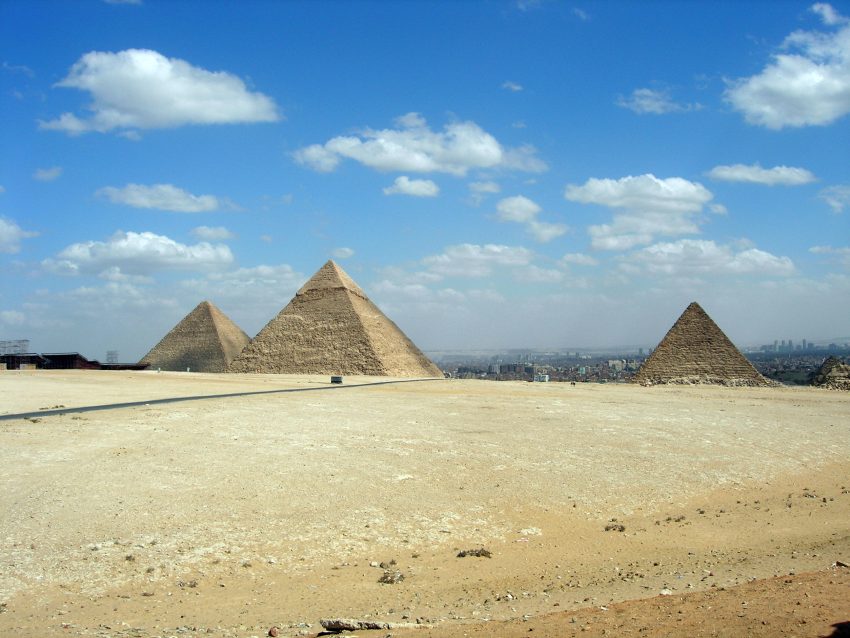
The Pyramids of Giza are the headline act of Egypt: a vast desert plateau on the edge of modern Giza where three royal pyramids rise from the sand, anchored by the Great Pyramid of Khufu and watched over by the Great Sphinx. It's one of those places that feels simultaneously familiar (you've seen it your whole life) and surreal the moment you step onto the plateau and realise how enormous everything is in person.
A visit here is part ancient engineering marvel, part open-air landscape walk. You can keep it simple-classic viewpoints, the Sphinx, and a slow loop between the pyramids-or go deeper with add-on tickets for interiors and nearby tombs. The site is part of the wider UNESCO-listed Memphis and its Necropolis area, so you're not just ticking off a landmark-you're stepping into the core geography of Old Kingdom Egypt.
Table of Contents
- History and Significance of the Pyramids of Giza
- Things to See and Do in the Pyramids of Giza
- How to Get to the Pyramids of Giza
- Practical Tips on Visiting the Pyramids of Giza
- Where to Stay Close to the Pyramids of Giza
- Is the Pyramids of Giza Worth Visiting?
- For Different Travelers
- FAQs for Visiting the Pyramids of Giza
- Nearby Attractions to the Pyramids of Giza
History and Significance of the Pyramids of Giza
The Giza Plateau was built during Egypt’s Fourth Dynasty as a royal necropolis, with each pyramid complex designed as a complete “afterlife machine”: pyramid, temples, causeways, cemeteries, and associated infrastructure. The Great Pyramid of Khufu is the centrepiece, and even in a world of mega-structures it remains astonishing for its precision, scale, and the sheer logistical ambition behind it.
Over time, Giza became more than a burial ground-it became a symbol of authority and cosmic order, placed carefully within a sacred landscape on the desert’s edge. The Sphinx adds another layer of mystery and drama, blending royal imagery with monumental sculpture in a way that still defines how many people picture ancient Egypt.
Today, the plateau sits right beside a sprawling modern city, which creates a striking contrast: one moment you’re negotiating traffic and street life, and the next you’re in a wide, open desert space with wind, sand, and monuments that have dominated this horizon for millennia. That juxtaposition is part of what makes Giza feel so unforgettable.
Things to See and Do in the Pyramids of Giza
Start with the “big three”: Khufu (the Great Pyramid), Khafre, and Menkaure. Even if you don’t enter any interiors, walking the perimeter paths and pausing at the classic viewpoints gives you the best sense of scale-especially when the light shifts and the limestone tones warm up toward late afternoon.
The Great Sphinx area is the other essential stop. It’s a different kind of monument-more theatrical and human in presence-so it’s worth slowing down here rather than treating it as a quick photo. If you want a more structured experience, consider tackling the plateau as a loop: viewpoints first, then the pyramids up close, then finish at the Sphinx when crowds thin slightly.
If you’re tempted by an interior visit, treat it as a distinct add-on rather than “mandatory.” The inside of a pyramid is typically a hot, steep, enclosed climb with a big payoff if you’re curious about the internal engineering-but it’s not the most comfortable part of the day. If you do go inside Khufu, note that the interior is closed from 12:00 to 13:00.
How to Get to the Pyramids of Giza
Most travellers fly into Cairo International Airport (CAI), then continue to Giza by taxi, ride-share, or a pre-arranged transfer depending on your comfort level with local driving and negotiation.
If your flight options suit it, Sphinx International Airport (SPX) can be a useful alternative on the western side of Greater Cairo, and some visitors find it convenient for reaching Giza-area hotels. For the best deals and a seamless booking experience, check out these flights to Cairo on Booking.com.
If you're arriving by long-distance train, you'll typically come into Cairo (Ramses) and can then use the metro to reach Giza Station before switching to a short taxi ride to the plateau entrance. Train schedules and bookings can be found on Omio.
For public transport within Cairo, Metro Line 2 to Giza is a common backbone route, then you finish by taxi or ride-share because the plateau itself isn't right next to a station.
If you prefer to travel by car, plan around heavy traffic windows and agree your drop-off and pickup points clearly, because the plateau access and circulation rules can vary by day and by current site management.
Practical Tips on Visiting the Pyramids of Giza
- Entrance fee: Giza Necropolis (general entry): EGP 700 (foreign adult) / EGP 350 (foreign student). Optional add-ons (inside pyramids): Khufu EGP 1000 / 500; Khafre EGP 280 / 140; Menkaure EGP 280 / 140.
- Opening hours: Daily: 07:00–17:00.
- Official website: https://egymonuments.gov.eg/en/archaeological-sites/giza-plateau/
- Best time to visit: Aim for early morning for cooler temperatures and clearer light, or late afternoon for warmer tones and a calmer atmosphere as day-trippers filter out.
- How long to spend: Plan 2-4 hours for the highlights, or longer if you want interiors, tomb add-ons, and plenty of photo stops.
- Accessibility: Expect uneven ground, sand, and long distances; even confident walkers may want to pace this as a slow loop with breaks.
- Facilities: Bring water and sun protection, and treat on-site vendors as optional-stay polite, keep boundaries firm, and pre-agree any paid services before you accept them.
Where to Stay Close to the Pyramids of Giza
For a culture-heavy itinerary that mixes the pyramids with museums and historic Cairo, base yourself in central Cairo for faster access to the city's sights, but if the pyramids are the main focus, staying in Giza near Al Haram Road makes early starts and sunset views far easier.
For a classic, high-comfort stay with a sense of occasion, consider Marriott Mena House, Cairo. It’s a strong choice if you want a resort-like break between sightseeing and the simplest logistics for dawn arrivals. For a modern hotel base close to both the plateau and the wider Giza area, Steigenberger Pyramids Cairo works well for travellers who value predictable comfort and straightforward transport planning.
If you want something more budget-friendly with an “I woke up to the Sphinx” kind of vibe, Pyramids View Inn is often chosen for rooftop views and quick access to the Sphinx-side atmosphere.
Is the Pyramids of Giza Worth Visiting?
Yes-this is one of the rare places that exceeds the hype because the scale, setting, and history land differently when you’re standing there, hearing the wind, and seeing how the monuments sit in the desert. If you plan your timing, keep your expectations realistic about heat and crowds, and focus on the experience rather than trying to “do everything,” it’s a genuinely memorable day.
Honest pivot: if you dislike intense sun, persistent sales pitches, and big-tourist-site friction, you may find the visit more stressful than inspiring-especially at midday. In that case, consider prioritising a museum-heavy Cairo day instead, or visit with a private driver/guide to reduce logistics and decision fatigue.
What Other Travellers Say...

Giza Necropolis is a famed archaeological site home to the Great Pyramids, the Great Sphinx and other well-known ruins; visitors praise the organized, renovated entrance and free shuttle buses that make getting between the main pyramids and the Sphinx easy, recommend arriving early to avoid crowds, note that it can be very hot so come prepared, and mention designated areas for camel and horse rides and plenty of spots where you can roam with fewer people while ignoring persistent hawkers.


For Different Travelers
Families with Kids
With kids, the best strategy is to treat Giza as a short, high-impact outing rather than an endurance walk. Pick one main viewpoint, get up close to one pyramid, then move to the Sphinx and call it a win-children tend to remember the “wow” moments, not the full loop.
Bring water, hats, and a snack buffer, and plan for frequent shade breaks. If anyone in your group is sensitive to tight spaces, skip pyramid interiors and focus on the open plateau experience, which is far more comfortable and still feels iconic.
Couples & Romantic Getaways
For couples, the magic is in timing and pace. Start early for quiet, clean light and a calmer atmosphere, then linger at viewpoints and treat it as a shared “slow travel” morning rather than a checklist.
If you want a more romantic feel, consider arranging a special meal or a terrace drink back at your hotel afterward, when you can take in the skyline without the crowd energy. The plateau can feel hectic at peak hours, so planning around that makes the day feel far more intimate.
Budget Travelers
Budget travel at Giza is very doable if you keep the plan simple: general entry, the Sphinx, and the plateau loop will deliver the core experience. The interiors are optional add-ons, so only pay for one if you’re genuinely curious about the internal structure and you’re comfortable with the physical climb.
Use the metro plus a short taxi ride to control costs, and be disciplined about extras-photos, rides, and “help” can add up fast if you agree to things on the spot. A clear plan and polite boundaries go a long way here.
History Buffs
If you’re visiting for the history, slow down and read the landscape rather than rushing between photo points. Look for how the pyramid complexes relate to each other, notice the cemeteries and tomb areas beyond the main monuments, and treat the Sphinx zone as part of a larger ceremonial setting rather than a standalone statue.
Consider pairing Giza with a second site day-trip such as Saqqara or Dahshur so you can see how pyramid design evolves across different periods. Giza is the headline, but it's even more meaningful when you view it as one chapter in a much longer architectural story.
FAQs for Visiting the Pyramids of Giza
Getting There
Tickets & Entry
Visiting Experience
Tours, Context & Itineraries
Photography
Accessibility & Facilities
Food & Breaks Nearby
Safety & Timing
Nearby Attractions to the Pyramids of Giza
- Grand Egyptian Museum (GEM): A major new museum complex near Giza that pairs perfectly with the pyramids for context and world-class artefacts.
- Saqqara: Home to the Step Pyramid of Djoser and a huge necropolis that shows earlier stages of pyramid design and tomb culture.
- Memphis (Mit Rahina): The remains of ancient Memphis, offering a quieter, history-rich counterpoint to the scale of Giza.
- Dahshur: A less-crowded pyramid field with the Bent Pyramid and Red Pyramid, ideal if you want a more open, contemplative experience.
- The Egyptian Museum (Tahrir Square): The classic Cairo museum stop for pharaonic highlights that help you connect objects and history back to what you saw on the plateau.
The Pyramids of Giza appears in our Complete Guide to Visiting Cairo!

Moira & Andy
Hey! We're Moira & Andy. From hiking the Camino to trips around Europe in Bert our campervan — we've been traveling together since retirement in 2020!
This website uses affiliate links which may earn a commission at no additional cost to you!
Planning Your Visit
Daily: 07:00-17:00.
Giza Necropolis (general entry): EGP 700 (foreign adult) / EGP 350 (foreign student). Optional add-ons (inside pyramids): Khufu EGP 1000 / 500; Khafre EGP 280 / 140; Menkaure EGP 280 / 140.
Nearby Attractions
- Cairo Tower (11.4) km
Tower - The Egyptian Museum (12.3) km
Museum - Saqqara (14.7) km
Historic Site - Memphis (18.6) km
Historic Site - Dahshūr (22.2) km
Historic Site - Valley of the Kings (492.9) km
Historic Site - Karnak Temple Complex (496.8) km
Historic Site - Luxor Temple (498.3) km
Historic Site