Praza da Inmaculada, Santiago de Compostela
Attraction, Historic Site and Square in Santiago de Compostela
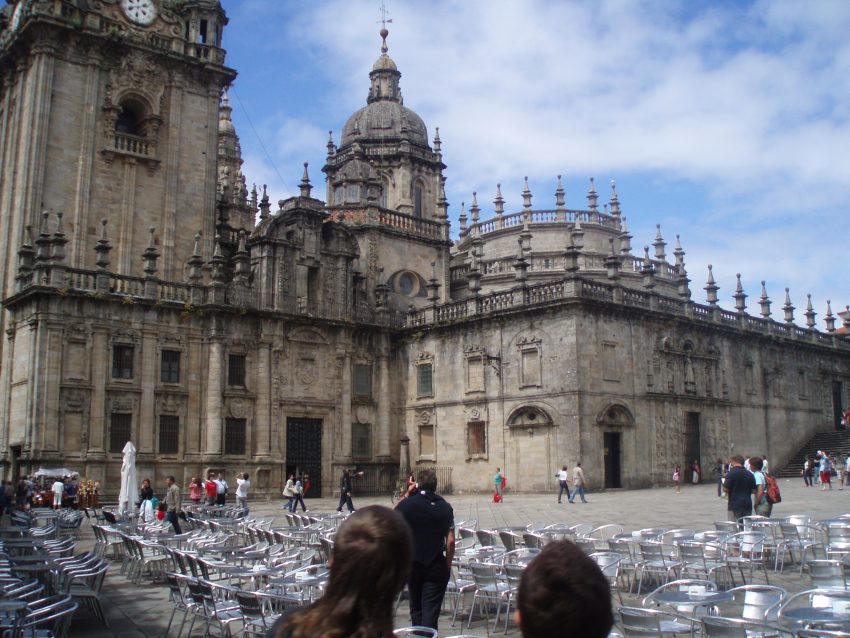
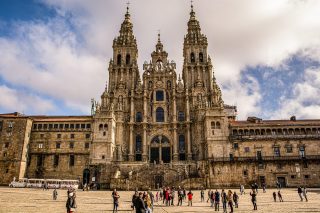
Praza da Inmaculada (also known as the Plaza de la Inmaculada or linked with the Acibecharía/Azabachería area) is one of the key squares wrapped around Santiago de Compostela Cathedral, sitting on the cathedral's north side in the heart of the UNESCO-listed old town. It's a compact, stone-paved space that feels like an outdoor antechamber to two giants: the cathedral's Acibecharía façade and the monumental Monastery of San Martiño Pinario.
Most travelers experience it naturally on a walking tour of the old town, especially if you're tracing the final urban steps of the Camino routes into the cathedral precinct. For the best views, stand near the center of the square to take in the full sweep of the monastery façade, then pivot toward the cathedral for a different, often less-crowded angle than the main Obradoiro side.
Table of Contents
- History and Significance of the Praza da Inmaculada
- Things to See and Do in the Praza da Inmaculada
- How to Get to the Praza da Inmaculada
- Practical Tips on Visiting the Praza da Inmaculada
- Where to Stay Close to the Praza da Inmaculada
- Is the Praza da Inmaculada Worth Visiting?
- For Different Travelers
- FAQs for Visiting Praza da Inmaculada
- Nearby Attractions to the Praza da Inmaculada
History and Significance of the Praza da Inmaculada
Praza da Inmaculada matters because it is part of the cathedral's “ring” of plazas, each tied to a different façade and a different chapter of Santiago's story as a pilgrimage destination. This square is closely associated with the cathedral's north entrance area, historically connected to the flow of pilgrims and the life of medieval Compostela.
The name Azabachería/Acibecharía points to the traditional presence of jet (azabache) workshops and artisans in this zone, a craft long linked with pilgrimage souvenirs and devotional objects. Over time, the square’s architectural character became defined by the grand scale of San Martiño Pinario and the evolving styles of the cathedral façade, creating a striking contrast between monastic power and ecclesiastical symbolism.
Today, the square is less about a single monument and more about context: it’s a place where you can feel how the city’s religious, civic, and commercial histories overlap in a few steps, especially when you arrive on foot through the old town lanes.
Things to See and Do in the Praza da Inmaculada
Start by using the square as a viewpoint. The monastery of San Martiño Pinario dominates one side with an imposing façade that photographs beautifully in soft morning light, while the cathedral's Acibecharía façade anchors the other with its sculptural details and ceremonial presence.
If you're doing a self-guided cathedral-area loop, this is an ideal “pause point” between the busier Praza do Obradoiro and the more intimate lanes behind the cathedral. Take a slow circuit around the edges to spot changing perspectives, then step back into the center to frame wide-angle shots that include both major façades.
It's also a practical place to reset your itinerary: meet your group for a walking tour, orient yourself before entering the cathedral area, or simply sit for a few minutes and watch the steady rhythm of pilgrims, guides, and locals moving through the historic core.
How to Get to the Praza da Inmaculada
The nearest airport is Santiago–Rosalía de Castro Airport (SCQ), with Porto (OPO) and A Coruña (LCG) as useful alternatives depending on your route and flight prices. For the best deals and a seamless booking experience, check out these flights to Santiago de Compostela on Booking.com.
Santiago de Compostela is well connected by train, and from the main station you can reach the old town by taxi, local bus, or a walk that takes you gradually uphill toward the historic center.Train schedules and bookings can be found on Omio.
If you’re traveling by car, aim for parking outside the tight old town streets and continue on foot, since the historic center has restricted access and narrow lanes that are not visitor-friendly for driving.If you are looking to rent a car in Spain I recommend having a look at Discover Cars, first, as they compare prices and review multiple car rental agencies for you.
Once you're in the old town, the easiest approach is simply to walk toward the cathedral and follow signs for the cathedral precinct; Praza da Inmaculada sits on the north side of the cathedral complex.
Practical Tips on Visiting the Praza da Inmaculada
- Entrance fee: Free.
- Opening hours: 24 Hours.
- Best time to visit: Come early morning for calmer photos and softer light on the stone façades, or near dusk when the square feels especially atmospheric.
- How long to spend: 10–25 minutes is enough for views and photos, but it’s easy to linger longer if you’re waiting for a tour or taking a slow cathedral-area loop.
- Accessibility: The old town is walkable but can be uneven underfoot; expect stone paving and gentle slopes, and take extra care in wet weather.
- Facilities: There are plenty of cafés, shops, and services within a short walk in the cathedral area, but the square itself is mainly an open public space.
Where to Stay Close to the Praza da Inmaculada
Base yourself in the Old Town (Casco Histórico) if you want to walk everywhere, step out early for quiet cathedral views, and keep evenings simple with tapas and short strolls.
Parador de Santiago de Compostela (Hostal dos Reis Católicos) This is the iconic splurge stay right by the cathedral precinct, ideal if you want maximum atmosphere and minimal walking back after sunset.
Hotel Costa Vella A charming, characterful option with a calmer feel, great for travelers who want old-town access without being on the busiest square.
San Francisco Hotel Monumento A peaceful, historic-feeling hotel near the center, well suited to couples and anyone who values quiet nights close to the main sights.
Eurostars Gran Hotel Santiago A comfortable, modern-leaning choice that can offer good value, especially if you don’t mind a slightly longer walk or quick taxi to the old town.
Hotel Virxe da Cerca A solid pick for travelers who want a boutique-style stay with easy access to the old town while being just outside the tightest lanes.
Is the Praza da Inmaculada Worth Visiting?
Yes, it's worth visiting because it delivers a high-impact “Santiago moment” with almost no effort: cathedral architecture, monastic grandeur, and pilgrimage energy in a single frame. It's also an excellent alternative viewpoint when the main squares feel crowded, and it fits naturally into any cathedral-area walking route.
Honest Pivot: if you're short on time and only want one square photo-stop, you might prioritize Praza do Obradoiro for the classic postcard view. Also, if you're not interested in architecture, history, or the Camino context, this square may feel like a quick pass-through rather than a destination.
For Different Travelers
Praza da Inmaculada works best as a flexible stop: it can be a fast photo break, a meeting point for tours, or a quiet moment between bigger cathedral visits. Your experience will depend on timing, weather, and how much you enjoy reading the city through its buildings.
Families with Kids
Kids often enjoy the open space to reset between indoor visits, and it’s a good place to explain “pilgrims arriving in the city” in a simple, visual way. Keep the stop short and pair it with a treat break nearby.
If you’re visiting with a stroller, take it slow on the stone paving and plan your route to avoid the steepest lanes. The square itself is straightforward, but the approaches through the old town can be bumpy.
Couples & Romantic Getaways
For couples, this square is a quieter-feeling cathedral-side scene that can be especially romantic early or late in the day. It’s a strong spot for photos that feel intimate rather than crowded.
Build it into a slow evening wander: cathedral precinct first, then drift into nearby lanes for wine and tapas. The stone architecture and changing light make it feel cinematic without needing a formal plan.
Budget Travelers
It’s an easy win for budget travelers because it’s a memorable, central sight that costs nothing and doesn’t require a ticket or timed entry. You can get “big landmark” atmosphere here even on a short stop.
Use it as part of a DIY walking tour: connect it with Obradoiro, Quintana, and Praterías to create a full cathedral loop on foot. Bring a refillable water bottle and plan café stops strategically to keep costs down.
History Buffs
History lovers will appreciate how the square ties together pilgrimage routes, artisan traditions (jet/azabache), and the cathedral’s layered architectural evolution. It’s a compact place to see how different eras sit side by side.
To deepen the visit, treat it as a “context stop” rather than a standalone attraction: look at the façades as evidence of changing tastes, power structures, and the city’s long role as a destination. Pair it with a guided walk to get the stories behind the stone.
FAQs for Visiting Praza da Inmaculada
Getting There
Tickets & Entry
Visiting Experience
Tours, Context & Itineraries
Photography
Accessibility & Facilities
Food & Breaks Nearby
Safety & Timing
Nearby Attractions to the Praza da Inmaculada
- Santiago de Compostela Cathedral: The city's defining landmark, with multiple façades and surrounding plazas that reward a full exterior loop.
- Praza do Obradoiro: The classic panoramic viewpoint facing the cathedral, framed by monumental civic buildings.
- Praza da Quintana: A dramatic, multi-level square beside the cathedral that feels especially atmospheric at night.
- Praza das Praterías: A lively square with historic details and a different cathedral façade perspective.
- Monastery of San Martiño Pinario: A massive monastic complex whose scale and façade dominate the north side of the cathedral area.
The Praza da Inmaculada appears in our Complete Guide to Visiting Santiago de Compostela!

Moira & Andy
Hey! We're Moira & Andy. From hiking the Camino to trips around Europe in Bert our campervan — we've been traveling together since retirement in 2020!
This website uses affiliate links which may earn a commission at no additional cost to you!
Planning Your Visit
24 Hours.
Free.
Nearby Attractions
- Mosteiro de San Martiño Pinario (0) km
Historic Building, Monastery and Museum - Praza da Quintana de Mortos (0.1) km
Attraction, Historic Site and Square - Museo Casa da Troia (0.1) km
Historic Building, Historic Site and Museum - Pazo de Xelmírez (0.1) km
Historic Building, Museum and Palace - Hostal Real de Santiago de Compostela (0.1) km
Historic Building, Historic Site and Hotel - Cathedral of Santiago de Compostela (0.1) km
Cathedral and Religious Building - Restaurante Botafumeiro (0.1) km
Attraction and Café - Santiago de Compostela Cathedral Museum (0.1) km
Cathedral and Museum - Porch of the Glory (0.1) km
Cathedral, Historic Room and Historic Site - Fountain of Horses (0.1) km
Attraction, Fountain and Square