The Porticoes of Bologna
Historic Building in Bologna
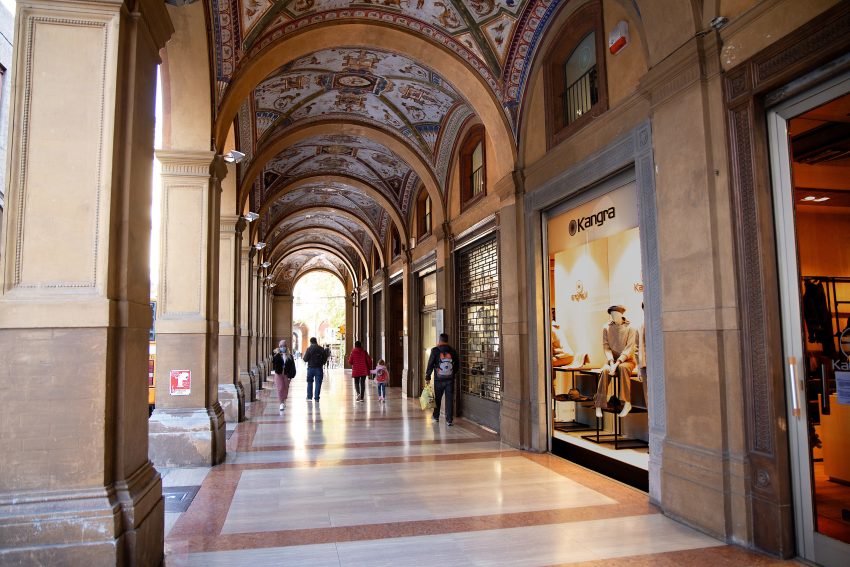
Few cities in the world are as defined by their architecture as Bologna is by its porticoes. Stretching for more than 62 kilometres across the city, these covered walkways are far more than mere shelter - they're the arteries of Bologna's social and cultural life. Walking beneath their arches offers a unique way to experience the city's rhythm, from lively student areas to peaceful cloisters. The porticoes are one of the top attractions in Bologna, and a great place to visit on a walking tour of Bologna, offering beauty, history, and a touch of everyday magic at every turn.
Listed as a UNESCO World Heritage Site in 2021, Bologna's porticoes represent both practicality and artistry. Each archway tells a story - of medieval craftsmanship, Renaissance elegance, and Baroque refinement - making them one of the best places to see in Bologna for anyone who loves urban history and architectural harmony.
Table of Contents
History and Significance of the Porticoes of Bologna
The origins of Bologna’s porticoes date back to the 11th century, when population growth prompted homeowners to extend their upper floors outward, supported by wooden beams. This clever architectural adaptation created covered walkways that provided extra space above and shelter below. By the 13th century, the portico had become a defining feature of the city, blending function and beauty in equal measure.
In 1568, a civic decree required that all new porticoes be constructed in brick or stone, ensuring their strength and permanence. Today, while most porticoes are built from these durable materials, a few medieval wooden examples can still be found - rare and fascinating relics of Bologna’s earliest building traditions. The city’s porticoes not only protected residents from the elements but also fostered a unique form of urban community, turning streets into continuous living spaces.
Things to See and Do Among Bologna’s Porticoes
Exploring the porticoes is one of the most rewarding experiences in Bologna. Each neighborhood offers its own distinct character and rhythm. For a fascinating display of architectural variety, stroll along Via Clavature, where the sequence of arches changes from simple medieval overhangs to ornate Renaissance colonnades. In Piazza Cavour, look up to admire the delicate painted ceilings - a hidden artistic touch often missed by hurried passersby.
Don't miss the widest portico in Bologna at the Church of Santa Maria dei Servi, whose vast open arcade transforms into a traditional Christmas market each winter. For endurance and beauty combined, walk the famed 4-kilometre portico leading to the Sanctuary of San Luca, lined with 666 arches - the longest covered walkway in the world. Each route tells a different story, offering glimpses of daily life framed by timeless architecture.
How to Get There
For those arriving by train, Bologna Centrale is the nearest major railway station and just a short walk or bus ride to the city centre, where most porticoes begin. Use Omnio to easily compare schedules, book train tickets, and find the best prices all in one place for a hassle-free journey across Italy. Travelers arriving by car can park at Parcheggio VIII Agosto or Tanari Parking, both convenient for exploring Bologna’s historic heart on foot. If you are looking to rent a car in Italy I recommend having a look at Discover Cars, first, as they compare prices and review multiple car rental agencies for you.
Practical Tips on Visiting the Porticoes of Bologna
- Best time to visit the Porticoes of Bologna: Anytime - they provide shade in summer and shelter in winter.
- Entrance fee in Euros: Free, open public spaces throughout the city.
- Opening hours: Always accessible.
- Official website: www.bolognawelcome.com
- How long to spend: 1-3 hours, depending on your walking route.
- Accessibility: Smooth, continuous surfaces suitable for wheelchairs and strollers.
- Facilities: Cafés, shops, and rest areas line many routes.
- Photography tip: Capture the symmetry of arches receding into the distance, especially during golden hour.
- Guided tours: Offered through Bologna Welcome focusing on the UNESCO portico routes.
- Nearby food options: Endless - from morning espresso bars to trattorias tucked under the arches.
Is Visiting the Porticoes of Bologna Worth It?
Absolutely. The porticoes are one of the must-see places in Bologna, a living symbol of the city's identity and artistry. Whether you wander them to admire their craftsmanship, to shelter from the weather, or simply to enjoy Bologna's vibrant street life, they reveal the soul of the city like nothing else. Few experiences compare to walking beneath their arches as sunlight and shadow play across centuries of history.
What Other Travellers Say...

Portici di Bologna are the city's famed covered walkways that stretch for over 60 kilometres and form a defining part of Bologna's streetscape; they vary from grand, ornate arcades with frescoes and colours to narrow, well-worn timber sections added over different centuries, often lined with shops, cafés and churches, offering shelter from rain and sun and rewarding visitors who wander the streets to discover their stylistic diversity.


FAQs for Visiting the Porticoes of Bologna
Nearby Attractions to the Porticoes of Bologna
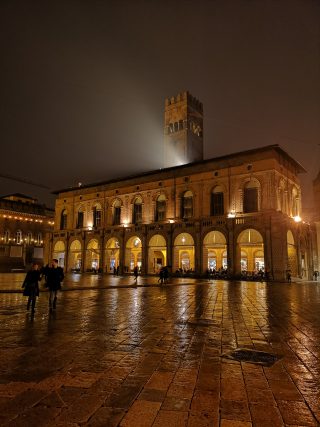
- Piazza Maggiore - The city's central square, surrounded by historic porticoed buildings.
- Piazza Santo Stefano - Home to the “Seven Churches” and beautiful medieval arcades.
- Sanctuary of San Luca - Reached by the city's longest portico, winding up Colle della Guardia.
- Basilica of San Petronio - A Gothic masterpiece framed by elegant porticoes.
- Quadrilatero Market - A lively shopping district nestled under Renaissance arches.
The The Porticoes of Bologna appears in our Complete Guide to Visiting Bologna!

Moira & Andy
Hey! We're Moira & Andy. From hiking the Camino to trips around Europe in Bert our campervan — we've been traveling together since retirement in 2020!
This website uses affiliate links which may earn a commission at no additional cost to you!
Planning Your Visit
24 hours
Free
Nearby Attractions
- Archiginnasio Palace (0.1) km
Palace - Museo Civico Archeologico (0.2) km
Museum - Basilica of San Petronio (0.2) km
Basilica - Palazzo dei Banchi (0.2) km
Palace - Santa Maria della Vita & Oratory of Battuti (0.3) km
Church - Piazza Maggiore (0.3) km
Square - Palazzo d'Accursio (0.3) km
Palace - Palazzo del Podesta (0.3) km
Palace - Palazzo Della Mercanzia (0.4) km
Palace - Seven Churches and the Basilica of Santo Stefano (0.4) km
Basilica