Porta Rudiae, Lecce
City Gate, Historic Site and Monument in Lecce
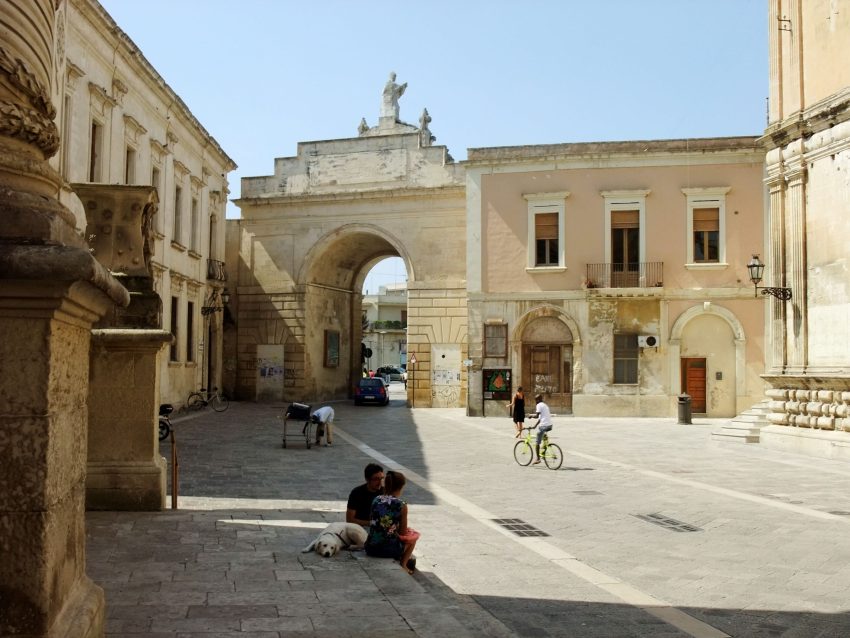
Porta Rudiae is one of Lecce's historic gateways into the old town, a grand stone arch that feels like a ceremonial threshold between modern streets and the city's baroque heart. Set near the edge of the centro storico, it's an easy landmark to spot and a natural “start here” point for a self-guided stroll.
Most visitors experience Porta Rudiae as part of a walking tour: pause beneath the arch, look up at the sculptural details, then continue on foot toward Lecce Cathedral, Piazza del Duomo, and the tight lanes of honey-colored limestone buildings. It's also a great place to orient yourself before diving into the old town's cafés, churches, and small shops.
Table of Contents
- History and Significance of the Porta Rudiae
- Things to See and Do in the Porta Rudiae
- How to Get to the Porta Rudiae
- Practical Tips on Visiting the Porta Rudiae
- Where to Stay Close to the Porta Rudiae
- Is the Porta Rudiae Worth Visiting?
- For Different Travelers
- FAQs for Visiting Porta Rudiae
- Nearby Attractions to the Porta Rudiae
History and Significance of the Porta Rudiae
Porta Rudiae is closely tied to Lecce's identity as a fortified city with ceremonial entrances. The gate you see today dates to the early 1700s, rebuilt after an older gate collapsed, and it reflects the period when Lecce's baroque style was flourishing.
What makes it especially distinctive is the storytelling built into its decoration. Along the upper frieze you can spot busts linked to Lecce’s legendary founders, while above the arch are figures connected to the city’s patron saints—an intentional blend of myth, civic pride, and religious protection.
Beyond its symbolism, Porta Rudiae is significant simply because it still functions as a living piece of the city: people pass through it daily, and it frames the transition into Lecce's most walkable, most photogenic streets.
Things to See and Do in the Porta Rudiae
Start by viewing the gate from both sides. The perspective changes as you move around it: from one angle it reads as a monumental arch, and from another it becomes a sculptural façade with layered details that reward a slow look.
Next, treat it as a “gateway itinerary.” Walk through and continue toward the cathedral area, letting the streets pull you deeper into the centro storico. If you're doing a guided walking tour, this is a strong opening stop because it sets the tone for Lecce's baroque stonework and urban history.
Finally, build in a café pause nearby. This area is well-suited to a quick cappuccino or aperitivo before or after your old-town loop, and it’s a pleasant place to linger when the light is soft and the streets are calmer.
How to Get to the Porta Rudiae
The nearest airports are Brindisi Airport (Salento) and Bari Airport; from either, continue to Lecce by shuttle, bus, or train connections depending on your arrival time. For the best deals and a seamless booking experience, check out these flights to Lecce on Booking.com.
Lecce is well connected by rail, and arriving at Lecce Centrale makes it straightforward to reach Porta Rudiae on foot or by a short taxi ride. Use Omnio to easily compare schedules, book train tickets, and find the best prices all in one place for a hassle-free journey across Italy.
If you’re traveling by car, aim for parking outside the historic center and then walk in, as central streets can be restricted and traffic patterns change. If you are looking to rent a car in Italy I recommend having a look at Discover Cars, first, as they compare prices and review multiple car rental agencies for you.
Practical Tips on Visiting the Porta Rudiae
- Entrance fee: Free.
- Opening hours: 24 Hours.
- Best time to visit: Go early morning for quieter streets and softer light, or around golden hour for warm tones on the stone.
- How long to spend: 10–20 minutes is enough for photos and details, or 30–45 minutes if you pair it with a café stop and a short old-town loop.
- Accessibility: The area is generally flat and walkable, but surfaces can be uneven (stone paving and curb cuts vary), so take care with wheels.
- Facilities: There are cafés and small shops nearby; public restrooms are more reliable around major squares and museums deeper in the center.
Where to Stay Close to the Porta Rudiae
Base yourself in Lecce’s historic center if you want to explore on foot and enjoy the city’s evening atmosphere without relying on transport.
Patria Palace Hotel Lecce Chosen for its prime old-town location and polished, classic comfort—ideal if you want major sights within an easy stroll.
Risorgimento Resort A strong pick for travelers who want a full-service stay near the heart of the centro storico, with an upscale feel and walkable access to landmarks.
Palazzo Sant’Anna Lecce Included for its boutique character and proximity to the old-town walls near Porta Rudiae—great for a quieter, design-forward base.
Hotel Delle Palme A practical choice close to the station and within walking distance of the center, useful if you’re arriving by train or doing day trips.
Suite Hotel Santa Chiara Selected for its central location and easy access to Lecce’s main walking routes, making it convenient for early starts and late-night strolls.
Is the Porta Rudiae Worth Visiting?
Yes—Porta Rudiae is absolutely worth a stop because it's beautiful, historically meaningful, and effortlessly fits into any Lecce walking route. It's the kind of landmark that takes only minutes to appreciate but adds context to everything you'll see once you step into the baroque streets beyond.
Honest Pivot: If you’re short on time and prefer “inside” attractions (museums, interiors, ticketed sites), you could skip a dedicated visit and simply pass through it on your way to the cathedral area. It’s best enjoyed by travelers who like architecture, city textures, and small moments that make a place feel distinct.
What Other Travellers Say...

Travelers rate Porta Rudiae very highly and describe it as a beautiful, grand gateway into Lecce's historic center. Common highlights include the impressive baroque stonework, the sense of history and atmosphere, and how well it fits into a walking route with nearby cafés for coffee or an aperitivo. A recurring downside is that restoration work or scaffolding can sometimes limit the view and photo opportunities.


For Different Travelers
Porta Rudiae works well as a flexible stop: it's quick, central, and easy to combine with food, photos, and a longer old-town wander. Think of it as a scenic doorway that helps you structure your day.
Families with Kids
Kids often enjoy the idea of a “city gate” and the simple game of spotting statues and faces in the stonework. Keep it short and pair it with a gelato break and a walk to a nearby square.
If you’re visiting with a stroller, plan a route with smoother streets where possible and avoid the busiest times when sidewalks narrow. A morning visit usually feels easiest.
Couples & Romantic Getaways
For couples, Porta Rudiae is a great early-evening stop: the stone glows, and the nearby lanes feel atmospheric without needing a big plan. It also makes a nice starting point for an aperitivo-to-dinner walk.
If you like photography, take a few minutes to frame the arch with the street beyond, then continue toward Lecce’s cathedral area for a classic romantic circuit.
Budget Travelers
This is a high-impact, zero-cost sight that helps you experience Lecce's character without buying a ticket. Combine it with a self-guided walking route and a budget-friendly pastry and coffee nearby.
To keep costs down, visit at off-peak times and focus on the city’s best free pleasures: architecture, street life, and wandering the centro storico.
History Buffs
History lovers will appreciate how the gate blends civic mythology with religious symbolism, reflecting how Lecce presented itself in the early 18th century. It's also a useful anchor point for understanding where the old walls once shaped movement into the city.
Pair it with other “layers of Lecce” stops—Roman remains, baroque churches, and the cathedral complex—to see how different eras coexist within a compact walk.
FAQs for Visiting Porta Rudiae
Getting There
Tickets & Entry
Visiting Experience
Tours, Context & Itineraries
Photography
Accessibility & Facilities
Food & Breaks Nearby
Safety & Timing
Nearby Attractions to the Porta Rudiae
- Lecce Cathedral (Duomo di Lecce): A baroque showpiece with an impressive square that feels like an outdoor stage set.
- Piazza del Duomo: One of Lecce’s most atmospheric spaces, especially in the evening when the stone glows.
- Basilica di Santa Croce: The city's most famous baroque façade, packed with intricate carvings.
- Roman Amphitheatre (Piazza Sant'Oronzo): A striking Roman-era site embedded in the modern city center.
- Porta Napoli: Another monumental city gate that makes a great comparison stop on a walking route.
The Porta Rudiae appears in our Complete Guide to Visiting Lecce!

Moira & Andy
Hey! We're Moira & Andy. From hiking the Camino to trips around Europe in Bert our campervan — we've been traveling together since retirement in 2020!
This website uses affiliate links which may earn a commission at no additional cost to you!
Nearby Attractions
- Basilica di San Giovanni Battista al Rosario (0.1) km
Basilica, Church and Religious Building - Lecce Cathedral (0.4) km
Cathedral - Teatro Romano di Lecce (0.5) km
Roman Site - Chiesa di Santa Chiara (0.6) km
Attraction, Church and Religious Building - Chiesa di San Matteo (0.6) km
Church - Porta Napoli (0.7) km
City Gate, Historic Site and Monument - Museo Faggiano (0.7) km
Museum - Piazza Sant'Oronzo (0.7) km
Square - Sedile (0.7) km
Palace - Anfiteatro Romano di Lecce (0.7) km
Amphitheatre