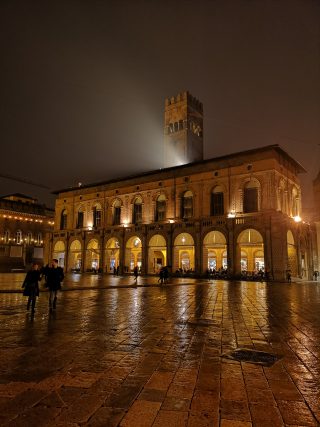
Porta Galliana, Rimini
City Gate in Rimini
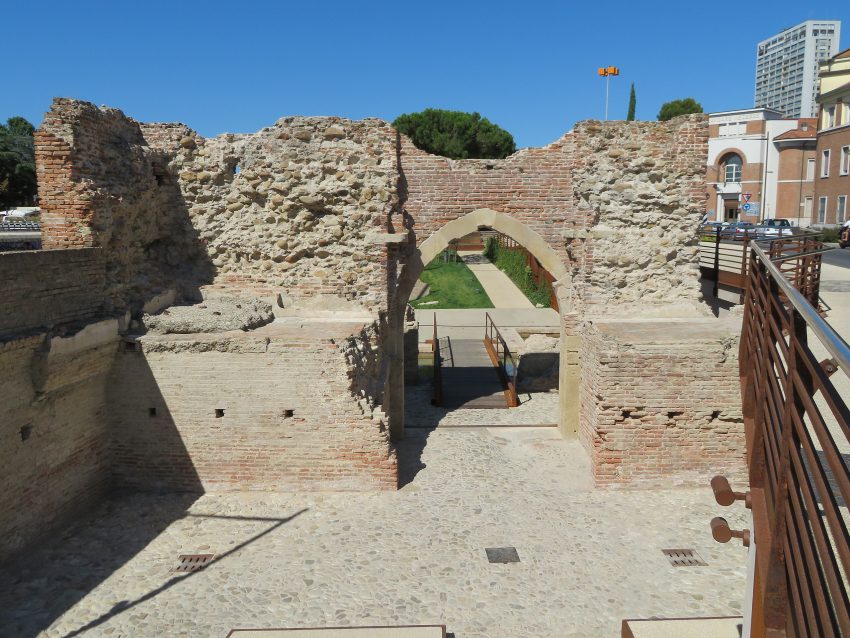
Porta Galliana is one of Rimini's most intriguing medieval survivals: a town gate once built to connect the city's defensive walls with the port zone along the Marecchia River. Today, the experience is memorable because the gate sits noticeably below modern street level, giving you the rare feeling of stepping down into an older Rimini rather than simply looking at a fragment in passing.
It's a compact stop, but it delivers a strong sense of how the city once worked-trade, access, and fortification all concentrated at a single threshold. For travelers interested in layers of history, it's one of the things to see in Rimini, and it fits naturally into a walking tour of Rimini that links the historic center with the river and the old port-side approaches.
Table of Contents
- History and Significance of the Porta Galliana
- Things to See and Do in the Porta Galliana
- How to Get to the Porta Galliana
- Practical Tips on Visiting the Porta Galliana
- Where to Stay Close to the Porta Galliana
- Is the Porta Galliana Worth Visiting?
- For Different Travelers
- FAQs for Visiting Porta Galliana
- Nearby Attractions to the Porta Galliana
History and Significance of the Porta Galliana
Porta Galliana was constructed in the 13th century as a crucial gate in Rimini's medieval defensive circuit, positioned to control movement between the city and its port area on the Marecchia. Its role was practical and strategic: it protected the urban core while keeping commercial life connected to the riverfront, where goods and people moved in and out.
During the rule of Sigismondo Pandolfo Malatesta, the gate underwent significant restoration as part of broader efforts to strengthen and shape Rimini’s urban defenses. That Malatesta-era attention matters because it places the gate within one of the city’s most defining historical periods, when power, architecture, and military logic were closely intertwined.
What makes the site especially compelling today is its depth-around 3.25 meters below the current road level-which visually communicates just how much Rimini has changed over time. The modern restoration and presentation aim to make the gate visitable as a historical-archaeological stop, preserving it not only as a structure, but as a readable piece of the medieval city's working infrastructure.
Things to See and Do in the Porta Galliana
Begin by taking in the “sunken” perspective before you go down. The change in level is part of the story, and pausing at the top helps you grasp how modern Rimini has risen and shifted around older layers rather than replacing them cleanly.
Once you’re down at the gate, focus on the sense of alignment and access: where the passage would have led, how the walls would have connected, and why this was the logical point for city-port movement. It’s a great place to slow down and visualize medieval logistics-controlled entry, defensible chokepoints, and the everyday commerce that made the port connection valuable.
If you're building a short route, pair Porta Galliana with a riverside walk and then loop back into the historic center for a piazza break. The contrast works well: this is a quiet, slightly hidden-feeling site, and it makes the nearby squares and main streets feel even more vibrant by comparison.
How to Get to the Porta Galliana
Federico Fellini International Airport (Rimini Airport) is the closest airport for reaching the city, while Bologna Guglielmo Marconi Airport is a common alternative with more flight options. For the best deals and a seamless booking experience, check out these flights to Rimini on Booking.com. From either airport, continue into central Rimini by bus, taxi, or train connections depending on your schedule.
Rimini’s main train station is a convenient arrival point, and you can reach the area on foot with a straightforward central walk, or use a short local bus ride if you want to save time. Use Omnio to easily compare schedules, book train tickets, and find the best prices all in one place for a hassle-free journey across Italy. Because the site sits near key central routes, it’s easy to fold into a broader old-town-and-river loop once you’re in the center.
Local buses run between the station area and central neighborhoods, and they can shorten the walk, especially if you’re arriving during hotter months. If you’re driving, aim to park on the edge of the centro storico and continue on foot so you avoid the slowest central streets and limited parking pockets. If you are looking to rent a car in Italy I recommend having a look at Discover Cars, first, as they compare prices and review multiple car rental agencies for you.
Practical Tips on Visiting the Porta Galliana
- Entrance fee: Free
- Opening hours: 24 Hours
- Best time to visit: Visit in the morning for a calmer, quieter feel that makes the below-street setting more atmospheric. Late afternoon also works well if you’re pairing it with a riverside stroll and then heading back toward the old town for an evening break.
- How long to spend: Plan 15-30 minutes for a focused visit, plus extra time if you’re combining it with nearby river paths or a longer historic-center loop. It’s best treated as a short, high-context stop rather than a destination that needs a full hour by itself.
- Accessibility: Because the site sits below road level, expect steps or a sloped access route depending on the current visitor setup, which can be challenging for some mobility needs. If accessibility is a priority, approach slowly, choose the easiest entry point, and consider visiting at quieter times when you can move without pressure.
- Facilities: There are typically no extensive facilities directly at the gate, so plan to use cafés and restrooms in the nearby historic center. Treat Porta Galliana as a quick outdoor heritage stop that fits between more comfort-friendly parts of your day.
Where to Stay Close to the Porta Galliana
For a culture-heavy itinerary, the best area to base yourself is Rimini’s centro storico so you can walk to the main sights and add river-side stops easily; if your trip is mainly about beach time and nightlife, Marina Centro is usually the better base for evening atmosphere and seafront convenience.
If you want to stay central and keep the old town within effortless walking distance, consider DuoMo Hotel. For a practical option with strong transport links while still being walkable to the historic center, Card International Hotel is a dependable choice. If you prefer to be closer to the waterfront while keeping the center easily reachable, Hotel Luxor works well for a balanced itinerary.
Is the Porta Galliana Worth Visiting?
Yes, especially if you enjoy the less-obvious pieces of a city's history-sites that explain how Rimini functioned rather than simply how it looked. The below-street setting makes the visit feel distinctive, and it adds depth to an itinerary that might otherwise focus only on the most famous Roman and Renaissance landmarks.
It’s also an efficient stop. You can experience it in a short visit, then use it as a connector to the river area or as a quiet contrast before returning to the buzz of Rimini’s main squares.
What Other Travellers Say...

Porta Galliana, on Via Bastioni Settentrionali in Rimini, is the city's surviving medieval sea gate set several metres below today's street level between the Tiberius Bridge and the porto canale; originally part of the town walls it connected the Marecchia river harbour to the inner quarter and has been excavated and restored as an open‑air archaeological site with ramps and walkways (helpful for prams and wheelchairs) and night lighting, offering a quiet, atmospheric glimpse of Rimini's past and an attractive spot to visit in the evening.


For Different Travelers
Families with Kids
Porta Galliana can work well for families because the “sunken gate” concept is immediately interesting and feels a bit like discovering a hidden level of the city. Keep it short and practical, focusing on the idea of a medieval entrance and the link to the old port area rather than trying to cover every historical detail.
To make it smoother, pair it with a simple reward stop afterward-gelato, a snack, or a piazza pause-so the visit feels like part of a fun walking route rather than a standalone history lesson.
Couples & Romantic Getaways
For couples, this is a great small stop because it feels slightly off the main tourist rhythm, which can make it feel more personal. The best approach is to treat it as a quiet interlude on a longer wander, then head back toward the old town for aperitivo or dinner.
Late afternoon works particularly well for a gentle, unhurried pace-gate, river-side stroll, then a warm-lit square. It's a simple sequence, but it creates a satisfying flow through different “faces” of Rimini.
Budget Travelers
This is an excellent budget stop because it’s quick, distinctive, and pairs naturally with free walking routes along the river and through the historic center. It adds historical texture without requiring a major time investment or a complicated plan.
If you’re building a low-cost day, use it as a route anchor: start here, walk back into the center via a main street, then connect to the piazzas and Roman landmarks on foot. That approach gives you variety while keeping spending under control.
FAQs for Visiting Porta Galliana
Getting There
Tickets & Entry
Visiting Experience
Tours, Context & Itineraries
Photography
Accessibility & Facilities
Food & Breaks Nearby
Safety & Timing
Nearby Attractions to the Porta Galliana
- Ponte di Tiberio: A remarkably preserved Roman bridge that pairs perfectly with a river-focused walk and offers classic photo angles.
- Borgo San Giuliano: A colorful, characterful neighborhood ideal for a relaxed wander and a different feel from the main piazzas.
- Piazza Cavour: Rimini's elegant civic square with major historic buildings and an easy café scene for a mid-route break.
- Piazza Tre Martiri: A central square layered with Roman roots and modern history, useful for understanding Rimini's street plan.
- Castel Sismondo: A powerful Malatesta-era fortress close to the center that adds medieval weight to any walking loop.
The Porta Galliana appears in our Complete Guide to Visiting Rimini!

Moira & Andy
Hey! We're Moira & Andy. From hiking the Camino to trips around Europe in Bert our campervan — we've been traveling together since retirement in 2020!
This website uses affiliate links which may earn a commission at no additional cost to you!
Planning Your Visit
24 Hours
Free
Nearby Attractions
- Museo della Città di Rimini (0.2) km
Historic Building and Museum - Domus del Chirurgo (0.3) km
Historic Site - Rimini Caput Viarum (0.3) km
Visitor Centre - Ponte di Tiberio (0.3) km
Bridge and Historic Site - Palazzo del Fulgor (0.4) km
Museum - Palazzo Garampi (0.4) km
Palace - Piazza Cavour (0.5) km
Square - Tempio Malatestiano (0.6) km
Church - Piazza Tre Martiri (0.6) km
Historic Site and Square - Castel Sismondo (0.6) km
Castle and Museum