Cathedral of Brindisi
Cathedral in Brindisi
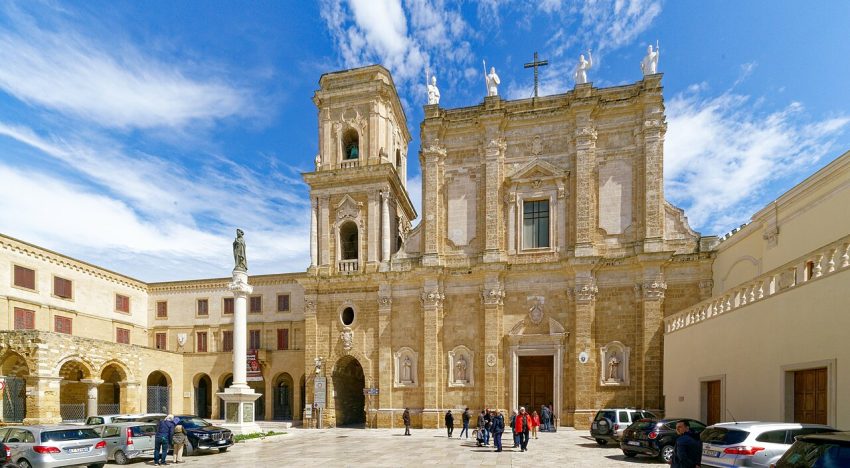
The Cathedral of Brindisi is one of those places that immediately transports you through layers of southern Italian history, from its Norman foundations to its Baroque and modern restorations. Set on the main square, it feels both intimate and monumental, offering a welcoming pause in the rhythm of Brindisi's old town. It's one of the must-see places in Brindisi, especially if you enjoy architecture that blends stories from many eras in a single space.
As you wander through the cathedral's interior, the fragments of the 12th-century mosaic floor, the 16th-century baptismal font, and the carved wooden choir offer a tactile sense of continuity. This spot is also a highlight of any walking tour of Brindisi thanks to its central location and deep cultural significance, making it easy to appreciate its place in the city's identity.
Table of Contents
- History and Significance of The Cathedral of Brindisi
- Things to See and Do in The Cathedral of Brindisi
- How to Get There
- Practical Tips on Visiting The Cathedral of Brindisi
- Where to Stay close to The Cathedral of Brindisi
- Is The Cathedral of Brindisi Worth Visiting?
- FAQs for Visiting The Cathedral of Brindisi
- Nearby Attractions to The Cathedral of Brindisi
History and Significance of The Cathedral of Brindisi
The Cathedral of Brindisi was consecrated in 1089 by Pope Urban II and completed in 1143, rising during the Norman period when Romanesque architecture defined much of Apulia's sacred landscape. Although the building was severely damaged by the 1743 earthquake and rebuilt just three years later, it managed to preserve its original layout, mirroring the design of the Basilica of San Nicola di Bari with three naves and no transept. Elements such as the elephant-head cornice and surviving mosaic fragments provide a clear visual link to its medieval origins.
Throughout the centuries, the cathedral has accumulated objects of devotion and legend, including a vessel believed to be one of the hydria used at the Wedding at Cana. The relics of San Teodoro d'Amasea, co-patron of Brindisi, lie at the heart of the church's spiritual importance, enshrined in a remarkable reliquary crafted in part by 13th-century Dalmatian goldsmiths. The chapel dedicated to the saint became an ecumenical space in 2010, welcoming prayer from both Catholics and Orthodox faithful.
The façade maintains its original tripartite structure aligned with the naves, though the upper decoration evolved across the 20th century, culminating in the 1957 statues of the city’s revered saints. Nearby, the late 18th-century bell tower and the episcopal complex add to the historical depth of the square, incorporating reused materials from the vanished Basilica of San Leucio. After major restoration work, the cathedral reopened in 2007 and again in 2019 following additional conservation.
Things to See and Do in The Cathedral of Brindisi
A visit to the cathedral reveals details from many eras, starting with the surviving sections of the 1178 mosaic floor. These fragments display motifs and figures similar to those in the famous Otranto mosaic, making them essential viewing for lovers of medieval art. The 16th-century baptismal font and the 1594 wooden choir, carved by local artisans, bring Renaissance and early Baroque craftsmanship into focus.
Pause at the Chapel of Saint Theodore of Amasea to reflect on the relics of the saint who has guarded Brindisi for centuries. The decorative reliquary and the chapel's designation as an ecumenical space add layers of meaning to the visit. Organ enthusiasts will appreciate the presence of two important instruments: the main organ built in the 1970s and the choral organ from the 1990s, currently undergoing integration work.
Outside, take time to view the impressive bell tower, completed in 1795, and the episcopal buildings nearby. Together, they form a harmonious ensemble that speaks to Brindisi’s status as a historic episcopal seat.
How to Get There
The Cathedral of Brindisi is located in the historic centre, easily reached on foot from most parts of the old town. Brindisi Airport is around 15 minutes away by taxi or bus. For the best deals and a seamless booking experience, check out these flights to Brindisi on Booking.com.
Travelers arriving by train can walk from Brindisi railway station in about 15 minutes. Use Omnio to easily compare schedules, book train tickets, and find the best prices all in one place for a hassle-free journey across Italy.
Those driving will find several public car parks around the perimeter of the old town. If you are looking to rent a car in Italy I recommend having a look at Discover Cars, first, as they compare prices and review multiple car rental agencies for you.
Practical Tips on Visiting The Cathedral of Brindisi
- Best time to visit The Cathedral of Brindisi: Early morning or late afternoon for quiet moments and atmospheric light.
- Entrance fee in Euros: Free entry.
- Opening hours: Typically open daily, but hours may vary during services or special events.
- Official website: Check the Archdiocese of Brindisi-Ostuni website for updated visitor details.
- How long to spend: Around 30-45 minutes.
- Accessibility: Ramps at entrances make access possible for most visitors.
- Facilities: Minimal on-site facilities, but cafés and shops are nearby.
- Photography tip: Look for the contrast between modern lighting and ancient mosaic fragments.
- Guided tours: Occasional guided visits are available through local operators.
- Nearby food options: Many cafés and trattorias are located around Piazza Duomo and the adjacent streets.
Where to Stay close to The Cathedral of Brindisi
Staying in Brindisi’s historic centre makes visiting the cathedral effortless. Consider Grande Albergo Internazionale for waterfront views and classic charm close to the old town. For a boutique feel, Hotel Boutique Executive Inn offers stylish rooms just a short walk away. Another comfortable option is Palazzo Virgilio, ideal for travelers arriving by train and still within easy reach of the cathedral.
Is The Cathedral of Brindisi Worth Visiting?
Yes, the Cathedral of Brindisi is absolutely worth visiting for anyone exploring the city or the wider region of Apulia. Its blend of Romanesque architecture, medieval mosaics, local legend, and centuries of devotion makes it a rewarding stop that reveals the deep historical layers of Brindisi. Whether you enjoy art, spiritual heritage, or simply the pleasure of discovering authentic places, this cathedral offers a memorable and meaningful experience.
What Other Travellers Say...

Cattedrale di San Giovanni Battista on Via Duomo sits at the heart of Brindisi’s old town and offers visitors a peaceful, free-to-enter space to explore; the exterior façade and interior details draw praise for their beauty, and several reviewers note artifacts on display and a quiet atmosphere that makes it easy to wander alone, though some visitors feel the interior reflects a more recent restoration after a fire and thus may not convey the full sense of age.


FAQs for Visiting The Cathedral of Brindisi
Nearby Attractions to The Cathedral of Brindisi
- Roman Column of Brindisi: The symbolic end of the Appian Way, offering a historic viewpoint over the harbour.
- Piazza Duomo: The elegant square surrounding the cathedral, framed by episcopal buildings and historic façades.
- Museo Archeologico Provinciale Ribezzo: A fascinating museum showcasing local archaeological finds, including Roman artifacts.
- Tempietto di San Giovanni al Sepolcro: An unusual circular medieval church with richly sculpted portals.
- Brindisi Waterfront: A scenic promenade perfect for a stroll along the harbour with cafés and sea views.
The Cathedral of Brindisi appears in our Complete Guide to Visiting Brindisi!

Moira & Andy
Hey! We're Moira & Andy. From hiking the Camino to trips around Europe in Bert our campervan — we've been traveling together since retirement in 2020!
This website uses affiliate links which may earn a commission at no additional cost to you!
Planning Your Visit
Nearby Attractions
- Museo Archeologico Provinciale Ribezzo (0.0) km
Museum - Porta dei Cavalieri Templari (0.0) km
Historic Building - Palazzo Granafei-Nervegna (0.1) km
Palace - Roman Columns (0.1) km
Roman Site - Church of San Giovanni al Sepolcro (0.3) km
Church - Monument to the Italian Sailor (0.5) km
Monument - Porta Mesagne (0.7) km
City Gate - Castello Svevo (0.7) km
Castle - Santa Maria del Casale (1.8) km
Church - Castello Alfonsino di Brindisi (2.6) km
Castle