Plaza de María Auxiliadora, Ronda
Square in Ronda
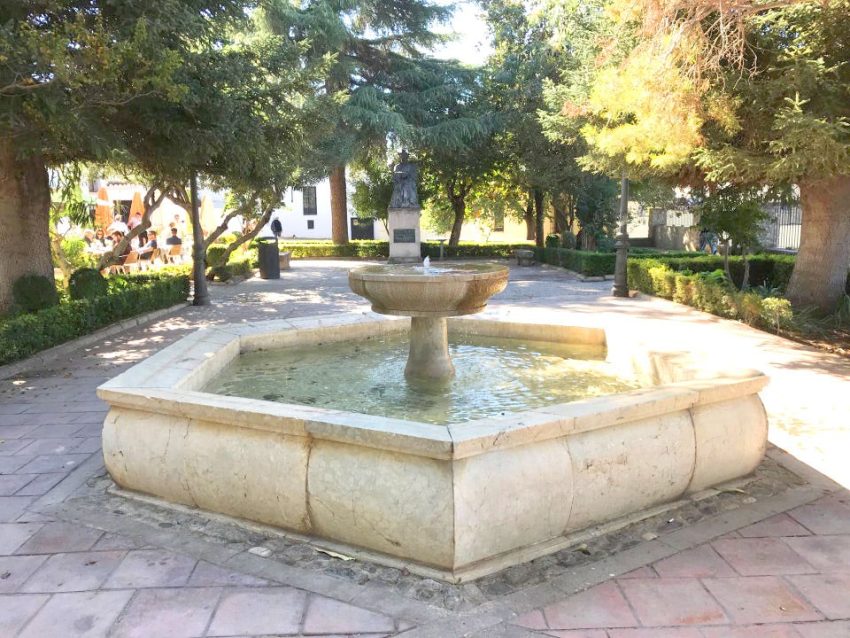
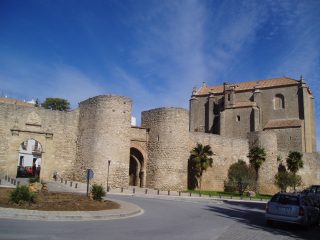
Plaza de María Auxiliadora is a compact, quietly atmospheric square on the edge of Ronda's old town, loved less for grand monuments and more for how it feels: shaded, relaxed, and perfectly placed. With a simple fountain at its centre and a handful of outdoor tables from nearby restaurants, it's the kind of spot where you naturally slow down-either to catch your breath, take in the air, or decide whether you're ready for the descent.
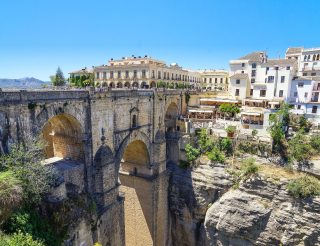
What makes it special is its role as a gateway rather than a destination. This little plaza sits on the main access route from the historic quarter down toward El Tajo Gorge, so it often becomes one of the things to do in Ronda almost by accident: you stop for the view, you pause for a drink, and suddenly you're watching the valley open up in front of you. It also slots neatly into a walking tour of Ronda, especially if you're linking the old town's walls and lanes with the gorge-side paths below.
Table of Contents
- History and Significance of the Plaza de María Auxiliadora
- Things to See and Do in the Plaza de María Auxiliadora
- How to Get to the Plaza de María Auxiliadora
- Practical Tips on Visiting the Plaza de María Auxiliadora
- Where to Stay Close to the Plaza de María Auxiliadora
- Is the Plaza de María Auxiliadora Worth Visiting?
- For Different Travelers
- FAQs for Visiting the Plaza de María Auxiliadora
- Nearby Attractions to the Plaza de María Auxiliadora
History and Significance of the Plaza de María Auxiliadora
Plaza de María Auxiliadora matters because of geography. Ronda is a city shaped by edges-cliffs, slopes, and narrow corridors that direct how people move-and this square sits right where the old town begins to tip toward the gorge. For centuries, routes like this were practical lifelines, connecting the fortified core with the lower river corridor, mills, and the working landscape below.
In a place like Ronda, even a small square can carry meaning simply by being a node in the city's circulation. Plaza de María Auxiliadora functions as a natural pause point: a place to regroup before descending, to look outward rather than inward, and to experience the transition from urban stone lanes to the open space of the valley and gorge.
It’s also a good reminder that Ronda’s most memorable moments aren’t always monumental. Some are simply about position-where the light hits, where the breeze reaches you, and where the view suddenly expands.
Things to See and Do in the Plaza de María Auxiliadora
First, enjoy it as a rest stop. The shade and fountain create a surprisingly calm microclimate, especially on warmer days when the old town streets can feel bright and exposed. If you’re walking a lot, this is a smart place to take five minutes before the steps and slopes that lead down toward El Tajo.
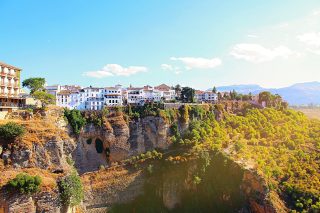
Second, take your time with the viewpoint feel. The valley views here are the kind that reward a slow look-spotting fields, folds in the hills, and the way Ronda’s terrain drops away. It’s a great place to recalibrate your sense of scale before you head down into the gorge paths, where everything feels more vertical and close.
Third, use it as a route-planning point. If you’re deciding whether to go down to the lower paths now or later, this is the moment to check your energy and timing. The descent is easy enough, but the climb back up can be more demanding than it looks, especially in the heat.
Finally, if you like “everyday” travel moments, sit with a drink and watch the rhythm of the route. You’ll see people passing through with the same decisions-pause, photograph, descend, or retreat back into the old town lanes.
How to Get to the Plaza de María Auxiliadora
Most travelers reach Ronda via Málaga Airport and then continue inland by train, bus, or car. For the best deals and a seamless booking experience, check out these flights to Ronda on Booking.com. Seville Airport is another common option for wider Andalusia itineraries. For the best deals and a seamless booking experience, check out these flights to Ronda on Booking.com.
Ronda’s train station connects the town to the region, and once you arrive you can explore much of the centre on foot, including this square. Train schedules and bookings can be found on Omio. From the central areas, you’ll simply walk into the old town and follow the lanes that lead toward the gorge-side access routes.
If you’re traveling by car, it’s best to park in a central car park and walk, since the older streets are narrow and not ideal for short hops between sights. If you are looking to rent a car in Spain I recommend having a look at Discover Cars, first, as they compare prices and review multiple car rental agencies for you.
Practical Tips on Visiting the Plaza de María Auxiliadora
- Entrance fee: Free
- Opening hours: 24 Hours
- Best time to visit: Late morning or late afternoon is ideal for a comfortable pause and softer light over the valley. In midsummer, it’s especially welcome in the heat of the day because the shade makes a real difference.
- How long to spend: 10-30 minutes is usually perfect, depending on whether you’re just pausing for the view or stopping for a drink. If you’re using it as a reset point before descending into El Tajo, give yourself long enough to cool down and decide your route.
- Accessibility: The square itself is straightforward, but the routes leading down into the gorge involve steep gradients and steps. If mobility is limited, enjoy the views here and treat the descent as optional rather than essential.
- Facilities: Nearby restaurants provide easy access to drinks and a simple break, and the seating makes it one of the most comfortable “in-between” stops in this part of the old town. Bring water if you plan to continue down into the gorge paths afterward.
Where to Stay Close to the Plaza de María Auxiliadora
For a culture-heavy itinerary, base yourself in or near Ronda’s historic centre so you can walk to the old town lanes, viewpoints, and wall routes early and late without needing transport; if your trip prioritises transport links for day trips, staying nearer the train station can make arrivals and departures simpler while still keeping the old town reachable.
For a gorge-side base with classic Ronda views and an easy walk to many major sights, Parador de Ronda is a strong choice. If you want a stay with a more relaxed, scenic feel while remaining close to the historic quarter, Catalonia Reina Victoria works well. For a smaller, characterful option that suits old-town wandering, Soho Boutique Palacio San Gabriel is well placed for exploring on foot.
Is the Plaza de María Auxiliadora Worth Visiting?
Yes, especially because it’s one of those places that improves your whole day rather than demanding time from it. The views are excellent, the setting is genuinely pleasant, and it sits right where you’re likely to pass if you’re exploring the old town and considering the descent toward El Tajo.
It’s most worth it if you treat it as a strategic pause: a place to reset, hydrate, and decide what comes next. In a city of steep streets and big viewpoints, that kind of comfort becomes part of the experience.
For Different Travelers
Families with Kids
This is a useful family stop because it’s shaded, calm, and naturally encourages a break, which can make the rest of the day smoother. Kids can reset here before the more demanding slopes, and parents can decide whether a gorge descent is realistic in the moment.
If you do plan to head down, treat the square as the last “easy” pause point and make sure everyone has water. If you’re not heading down, the views here still provide a satisfying sense of place without the physical effort.
Couples & Romantic Getaways
For couples, the appeal is simple: a quiet square, a fountain, a view, and a gentle pause in the middle of exploring. It's a great place to slow your pace and enjoy Ronda as a lived-in town rather than a series of attractions.
Come later in the day if you want softer light and a slightly more atmospheric feel. A short drink stop here can become one of the most memorable moments of a day of bigger sights.
Budget Travelers
This is a budget-friendly highlight because it costs nothing to enjoy and still delivers a strong “Ronda feeling” through the view and setting. You can use it as a free viewpoint stop, then decide whether to invest energy in the descent or continue your walk through the old town.
If you do spend money, it’s best spent simply: a drink at an outdoor table and a long pause. That’s a high-value travel moment without the cost of ticketed attractions.
FAQs for Visiting the Plaza de María Auxiliadora
Getting There
Visiting Experience
Photography
Accessibility & Facilities
Food & Breaks Nearby
Safety & Timing
Nearby Attractions to the Plaza de María Auxiliadora
- Puerta de los Molinos: An atmospheric gate and route point tied to the old mills and the lower gorge access paths.
- Puerta del Viento: A dramatic gate perched on the edge of steep terrain, reached via steps from this general area.
- Arco de Felipe V: A striking wall gate near Puente Viejo, easy to link on a defensive-history walk.
- Puente Viejo: The old bridge crossing with strong historic character and scenic angles into the gorge.
- Alameda del Tajo: A classic Ronda promenade and garden area that pairs nicely with a slower-paced walking day.
The Plaza de María Auxiliadora appears in our Complete Guide to Visiting Ronda!

Moira & Andy
Hey! We're Moira & Andy. From hiking the Camino to trips around Europe in Bert our campervan — we've been traveling together since retirement in 2020!
This website uses affiliate links which may earn a commission at no additional cost to you!
Planning Your Visit
24 Hours
Free
Nearby Attractions
- Palacio de Mondragon (0.1) km
Gardens, Museum and Palace - Casa de San Juan Bosco (0.1) km
Palace - Casa del Gigante (0.1) km
Museum and Palace - Albacara Walls (0.1) km
City Walls - Puerta Del Viento (0.2) km
City Gate - Puerta de los Molinos (0.2) km
City Gate - Church of Santa María la Mayor (0.2) km
Church and Historic Building - Museo Lara (0.2) km
Museum - Plaza Duquesa de Parcent (0.2) km
Square - San Sebastian Minaret (0.2) km
Minaret