Plaza de Espana, Madrid
Attraction, Monument and Square in Madrid

Plaza de Espana is one of Madrid's most iconic open-air gathering places, sitting right where Gran Vía meets the elegant Princesa corridor and the monumental route toward the Royal Palace. Recently redesigned as a greener, more walkable space, it's a natural pause point between shopping streets, classic skyline views, and some of the city's best sunset spots.
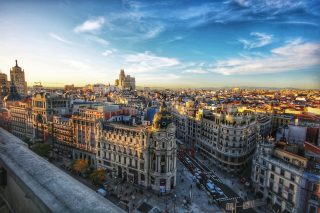
It's also an easy win on a walking tour: you can arrive from Gran Vía, loop around the Monument to Cervantes, then continue on foot toward the Temple of Debod, the Sabatini Gardens, and the Royal Palace area. For the best views, look for angles that frame the Cervantes monument with Torre de Madrid and Edificio España behind it.
Table of Contents
- History and Significance of the Plaza de Espana
- Things to See and Do in the Plaza de Espana
- How to Get to the Plaza de Espana
- Practical Tips on Visiting the Plaza de Espana
- Where to Stay Close to the Plaza de Espana
- Is the Plaza de Espana Worth Visiting?
- For Different Travelers
- FAQs for Visiting Plaza de Espana
- Nearby Attractions to the Plaza de Espana
History and Significance of the Plaza de Espana
Plaza de Espana has long served as a symbolic “gateway” between Madrid's historic core and the newer city avenues that radiate outward, with Gran Vía acting as the star connector. Its central Monument to Miguel de Cervantes anchors the square's identity, celebrating Spain's literary heritage through sculptural scenes that many visitors recognize instantly.
The square is also a snapshot of Madrid's 20th-century ambition. The surrounding high-rises, especially Torre de Madrid and Edificio España, helped define the city's modern skyline and remain a striking contrast to the older royal precinct just a short walk away.
In the 21st century, Plaza de Espana gained renewed relevance through a major redesign that prioritized pedestrians, greenery, and calmer movement through the area. The result is a more comfortable place to linger, meet friends, and stitch together a walking route between major sights.
Things to See and Do in the Plaza de Espana
Start at the Monument to Cervantes, the plaza’s centerpiece and the most photographed feature. Walk around it slowly to catch the different sculptural details, then step back to find classic compositions with the surrounding towers rising behind the monument.
Next, treat the plaza as a launchpad for short, high-reward walks. One direction leads toward the Royal Palace and the Sabatini Gardens; another heads toward the Temple of Debod, a favorite for golden-hour views; and Gran Vía pulls you back into Madrid's buzziest shopping-and-theatre corridor.
If you want a simple local-style experience, do what Madrileños do: sit, people-watch, and enjoy the flow of the city. The redesigned paths and planted areas make it far more pleasant than a quick photo stop, especially in the morning or early evening.
How to Get to the Plaza de Espana
Madrid is served primarily by Adolfo Suárez Madrid–Barajas Airport (MAD), with most international and domestic arrivals connecting easily into the city center by metro, bus, or taxi. For the best deals and a seamless booking experience, check out these flights to Madrid on Booking.com.
If you're arriving from other Spanish cities, Madrid's main rail hubs (especially Madrid-Puerta de Atocha and Madrid Chamartín) connect to the metro and local transit for a straightforward ride to Plaza de España station. Train schedules and bookings can be found on Omio.
Driving into central Madrid is possible, but traffic and parking can be challenging, so it's often easier to park outside the core and continue by metro. If you are looking to rent a car in Spain I recommend having a look at Discover Cars, first, as they compare prices and review multiple car rental agencies for you.
Practical Tips on Visiting the Plaza de Espana
- Official website: https://www.madrid.es/portales/munimadrid/es/Inicio/El-Ayuntamiento/Parques-y-jardines/Patrimonio-Verde/Parques-en-Madrid/Jardines-de-la-Plaza-de-Espana/?vgnextchannel=38bb1914e7d4e210VgnVCM1000000b205a0aRCRD&vgnextfmt=default&vgnextoid=e5021544198be210VgnVCM2000000c205a0aRCRD
- Entrance fee: Free.
- Opening hours: 24 Hours.
- Best time to visit: Go early for calmer photos and a quieter feel, or come near sunset to pair the plaza with a walk to the Temple of Debod.
- How long to spend: 20–40 minutes works for photos and a quick stroll; 60–90 minutes if you're linking it with Gran Vía and the Royal Palace area on foot.
- Accessibility: The plaza is largely flat and designed for pedestrians, with wide paths that generally work well for strollers and wheelchairs.
- Facilities: You'll find plenty of cafés, shops, and services within a few minutes on Gran Vía and nearby streets, making it an easy stop without special planning.
Where to Stay Close to the Plaza de Espana
Base yourself in central Madrid (Gran Vía/Plaza de España/Palacio Real edge) for the easiest walking access to major sights, transit, and evening energy.
If you want a stay with immediate skyline views and a strong “Madrid city break” feel, choose a hotel right on or just off the plaza. For a quieter night, look a few blocks toward the Royal Palace side streets; for maximum buzz, drift toward Gran Vía where theatres, shopping, and late dinners are always close.
Barceló Torre de Madrid Included for its prime plaza-front location and a polished, contemporary feel that makes sightseeing logistics effortless.
Hotel Riu Plaza España A great pick if you want to be steps from the plaza and Gran Vía, with a big-hotel setup that suits short city breaks.
VP Plaza España Design Chosen for its design-forward style and convenience for walking routes toward both Gran Vía and the Royal Palace area.
Dear Hotel Madrid Ideal if you want boutique vibes near the plaza and quick access to shopping, dining, and evening strolls.
Apartosuites Jardines de Sabatini A smart option for extra space and a calmer base near the palace-side walks, especially good for longer stays.
Is the Plaza de Espana Worth Visiting?
Yes, Plaza de Espana is worth visiting because it's both a landmark and a practical connector: you get an iconic monument, classic Madrid skyline framing, and a comfortable pedestrian space that links several top sights in one easy loop. It's one of those places that fits naturally into your day rather than demanding a special trip.
Honest Pivot: if you're short on time and you're not interested in city squares, monuments, or urban strolling, you can skip lingering here and focus on a museum block (Prado/Retiro) or a specific neighborhood experience instead. You'll still likely pass nearby if you're doing Gran Vía or the Royal Palace, so it can remain a “bonus” stop.
What Other Travellers Say...
Reviews Summary
Famed, cinematic plaza designed by Aníbal González in 1929 & featuring a canal to travel by boat.
For Different Travelers
Plaza de Espana is flexible: it can be a quick photo stop, a meeting point, or the start of a longer walk through Madrid's most famous corridors. The key is matching your timing to your travel style, because the experience changes a lot between quiet mornings and busy evenings.
Families with Kids
The open space and pedestrian-friendly layout make it a low-stress stop with room to move, which helps if you’re traveling with strollers or energetic kids. It also works well as a reset point between bigger attractions, with plenty of nearby snack options.
To keep it fun, turn it into a short “monument hunt” and then continue to a nearby park-style viewpoint like the Temple of Debod area. Families who prefer structured visits can pair the plaza with a timed-entry attraction afterward.
Couples & Romantic Getaways
For couples, the plaza is best as part of an evening walk: start around golden hour, take photos at the Cervantes monument, then head toward the Royal Palace viewpoints or Debod for sunset. The mix of skyline, greenery, and city lights makes it feel more cinematic than many central squares.
It's also a great place to slow down without committing to a full activity. Build in a café stop nearby, then wander Gran Vía for theatres, rooftop drinks, or a late dinner.
Budget Travelers
Plaza de Espana is a high-impact, zero-cost stop that delivers classic Madrid photos and an easy walking route to other free highlights. It's ideal for filling gaps between paid attractions without feeling like you're “killing time.”
Budget travelers can use it as a navigation anchor: walk Gran Vía for atmosphere, then continue toward palace-side viewpoints and parks. If you're watching spending, plan your paid experiences for museums and keep the plaza as a scenic connector.
FAQs for Visiting Plaza de Espana
Getting There
Tickets & Entry
Visiting Experience
Tours, Context & Itineraries
Photography
Accessibility & Facilities
Food & Breaks Nearby
Safety & Timing
Nearby Attractions to the Plaza de Espana
- Gran Vía: Madrid's famous avenue for architecture, shopping, theatres, and nonstop city energy.
- Royal Palace of Madrid: A short walk away, offering grand interiors and a classic introduction to Spain's royal history.
- Sabatini Gardens: Formal gardens near the palace that are great for a scenic stroll and relaxed photos.
- Temple of Debod: A unique ancient Egyptian temple and one of Madrid's best sunset viewpoints.
- Plaza de Oriente: A monumental square near the palace with statues, open space, and elegant city views.
The Plaza de Espana appears in our Complete Guide to Visiting Madrid!

Moira & Andy
Hey! We're Moira & Andy. From hiking the Camino to trips around Europe in Bert our campervan — we've been traveling together since retirement in 2020!
This website uses affiliate links which may earn a commission at no additional cost to you!
Planning Your Visit
24 Hours.
Free.
Nearby Attractions
- Jardines de Sabatini (0.3) km
Attraction, Gardens and Park - Templo de Debod (0.4) km
Attraction, Historic Site and Monument - Palacio Real (0.5) km
Historic Building, Historic Site and Palace - Plaza de Oriente (0.5) km
Gardens, Monument and Square - Teatro Real (0.5) km
Arts Venue, Opera House and Theatre - Gran Via (0.7) km
Area, Street and Walk - Catedral de la Almudena (0.8) km
Cathedral, Historic Building and Religious Building - Plaza de la Villa (0.9) km
Historic Building, Historic Site and Square - Mercado de San Miguel (0.9) km
Market - Plaza Mayor (0.9) km
Attraction, Historic Site and Square