Philae - Temple of Isis, Aswān
Historic Site in Aswān
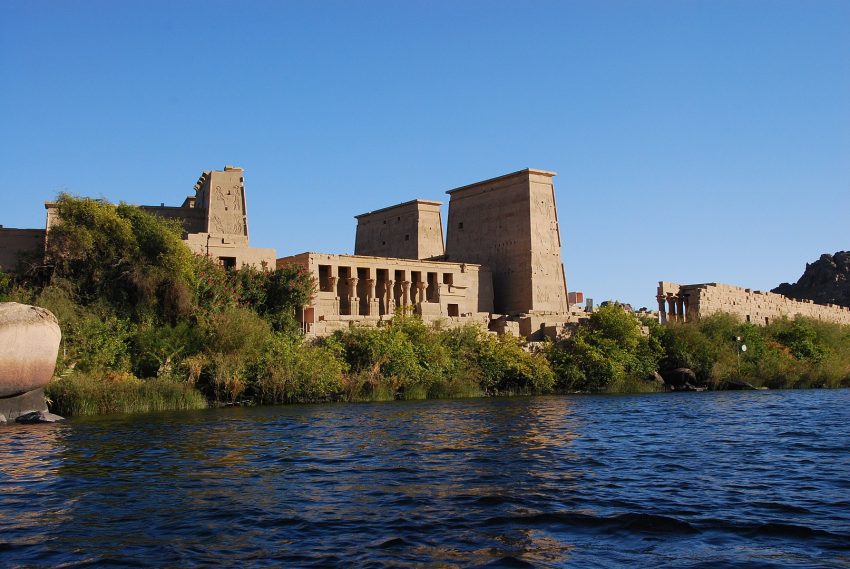
Philae Temple is the famous Temple of Isis you visit in Aswan by boat, sitting on an island in the Nile’s reservoir just downstream of the Aswan High Dam. It’s one of those places where the approach is part of the magic: water all around, palm-lined views, and the sense of arriving somewhere set apart from the everyday world.
Once you step onto the island, the experience becomes a blend of grand architecture and intimate storytelling. Reliefs across the walls play out the Isis-Osiris-Horus cycle in scenes that feel surprisingly vivid, even if you arrive with only a basic grasp of Egyptian mythology. Add the setting-bright light on sandstone, the hush between courtyards, the sound of water-and it’s easy to see why Philae has such a hold on people.
Table of Contents
- History and Significance of the Philae Temple
- Things to See and Do in the Philae Temple
- How to Get to the Philae Temple
- Practical Tips on Visiting the Philae Temple
- Where to Stay Close to the Philae Temple
- Is the Philae Temple Worth Visiting?
- For Different Travelers
- FAQs for Visiting Philae Temple
- Nearby Attractions to the Philae Temple
History and Significance of the Philae Temple
Philae was revered as sacred to Isis for centuries, and the temple complex you see today largely took shape in the Ptolemaic era, when Egypt’s Greco-Roman rulers continued building in a deeply traditional Egyptian style. The core Temple of Isis is associated with Ptolemy II and Ptolemy III, with later decorative work and additions carried into the Roman period, which is why you’ll notice a long “timeline” of styles and names layered across the same sacred spaces.
What gives Philae its unique place in modern history is the rescue operation. Rising waters from dam projects threatened to drown the island, and a major international campaign dismantled the temples and rebuilt them on nearby Agilkia Island, recreating the layout so visitors could still experience Philae as an island sanctuary rather than a museum-like reconstruction. That relocation story is not just an engineering feat-it’s now part of what you are visiting, whether you realise it or not.
Things to See and Do in the Philae Temple
Walk it like a story, not a checklist. The pylons and courtyards set you up with big, ceremonial architecture, but the real joy is moving closer to the carved panels and reading the narrative: Isis reviving Osiris, the birth of Horus, royal offerings, and ritual scenes that explain how this sanctuary functioned as a living religious centre. Even if you do not know the full myth, you can still feel the rhythm of it in the repeated imagery and processional flow.
Make time for the “side” spaces, because Philae is more than one building. Smaller shrines and temples dedicated to related deities give the site a layered feel, like a sacred neighbourhood rather than a single monument. If you enjoy details, you’ll also notice how Philae’s carvings sit at the intersection of worlds: deeply Egyptian religious language created under Greek and Roman rulers, which gives the reliefs a distinctive late-period character.
If your timing allows, consider returning for the Sound and Light Show. The site’s island setting and the way the temples catch illumination can make the atmosphere feel completely different from the daytime visit, especially if you want a more theatrical sense of “arrival” and ancient drama.
How to Get to the Philae Temple
The nearest airport is Aswan International Airport (ASW), with Cairo International Airport (CAI) the main international hub for onward flights into Upper Egypt. For the best deals and a seamless booking experience, check out these flights to Aswān on Booking.com. Many travellers also route through Luxor for a combined Nile itinerary before continuing to Aswan by rail or road.
Aswan is well connected by long-distance trains, including services from Cairo and Luxor to Aswan Railway Station, which is then a short taxi ride from the boat docks used for Philae.Train schedules and bookings can be found on Omio. If you prefer buses, there are intercity coaches into Aswan from major cities, but trains are often the more comfortable option for this distance.
The key detail is that you cannot simply “arrive at the temple” by road: you go to the Philae boat marina area in Aswan (often reached by taxi), then take a motorboat across to the island and back. If you’re travelling by car, aim for the marina/boat dock area and treat the boat crossing as the final leg of the journey.
Practical Tips on Visiting the Philae Temple
- Entrance fee: EGP 550 (foreign adults); EGP 275 (foreign students); EGP 40 (Egyptian/Arab adults); EGP 20 (Egyptian/Arab students).
- Opening hours: Daily: 07:00–16:00.
- Official website: https://egymonuments.gov.eg/en/archaeological-sites/philae
- Best time to visit: Go early for cooler temperatures and cleaner photos, or late morning if you want the site to feel more animated with boats arriving.
- How long to spend: Allow 1.5-2.5 hours including the boat transfers, longer if you like reading carvings slowly or lingering for views.
- Accessibility: Expect uneven stone underfoot and steps in parts of the complex, plus the practical challenge of boarding a boat to reach the site.
- Facilities: Facilities are limited on-site compared with city museums, so bring water and sun protection, and plan your main café stop back in Aswan.
Where to Stay Close to the Philae Temple
For a culture-heavy itinerary, base yourself along Aswan’s Corniche or near the historic centre so you can reach the boat docks quickly and pair Philae with museums, markets, and Nile views; if your trip’s focus is downtime and resort comfort, Elephantine Island and the riverside hotel zone give you a calmer base with strong scenery and easy transfers into town.
For a classic Aswan “splurge” with unbeatable Nile atmosphere, book Sofitel Legend Old Cataract Aswan. For a resort-style stay on the river with a slightly removed, scenic feel, Mövenpick Resort Aswan is a strong base with easy boat connections into the city. For a more practical, good-value option close to key city sights, Basma Hotel Aswan works well if you want comfort without overcommitting to a luxury price point.
Is the Philae Temple Worth Visiting?
Yes-this is one of the rare Egyptian sites where the setting is as powerful as the monument. The boat approach, the island atmosphere, and the Isis-focused storytelling make it feel distinct from the big “desert edge” temples, and the relocation narrative adds a modern layer that is genuinely compelling once you understand what was at stake.
Honest pivot: if you strongly dislike boat logistics or you are trying to do Aswan at maximum speed, you could skip it and still have a strong trip by focusing on the Nubian Museum, the souk, and viewpoint-style stops. For most travellers, though, Philae is the Aswan visit that best earns the time.
What Other Travellers Say...

Philae Temple, dedicated to the goddess Isis and reached by boat, sits on an island in Aswan and is celebrated for its well‑preserved columns, reliefs and intricate carvings that blend Egyptian and Greco‑Roman elements; visitors describe a magical, peaceful atmosphere with great river views, photogenic light, and expansive grounds where a guide can add context, while practical tips include wearing sunscreen and comfortable shoes, watching uneven footing, arriving early or during quieter midday hours to avoid crowds, and noting that boat arrangements or inclusion with the ticket can vary.


For Different Travelers
Families with Kids
Philae works well for families because it has clear “wow” factors that land quickly: the boat ride, the island feel, and the scale of the pylons and courtyards. Keep the visit light and visual-pick a few easy-to-spot scenes on the walls, then let the setting do the rest rather than trying to explain every dynasty.
The main challenge is heat and pacing. Bring water, take shade breaks, and plan the visit early so kids are not dealing with midday sun on open stone, especially if you’re also juggling the boat boarding and short waits at the docks.
Couples & Romantic Getaways
This is one of Egypt’s most naturally romantic temples because it feels like an arrival, not just an entry gate. The combination of water, skyline, and sandstone makes it ideal for slow wandering and shared “look at this” moments, especially if you time it for softer light.
To make it feel special, pair it with an unhurried evening on the Corniche afterwards, or consider the Sound and Light Show if you like atmosphere and theatre. Philae is at its best when you treat it as a mood, not a race.
Budget Travelers
Philae is budget-friendly in terms of value-per-hour, but the variable cost is the boat transfer. If you’re watching spending, share a boat with other travellers at the dock and agree the price clearly before you leave-this is the simplest way to keep the overall cost controlled.
It also fits nicely into a low-cost Aswan day: combine it with the Nubian Museum or a souk walk, and use the boat ride itself as part of the experience rather than an added “extra.”
History Buffs
Philae is a highlight because it concentrates late Egyptian religion in one place, with Ptolemaic and Roman-era work that still speaks an unmistakably Egyptian visual language. The reliefs are rich in mythic narrative, and the site’s long lifespan makes it a fascinating case study in continuity and change.
The relocation to Agilkia is also worth treating as part of the history, not an aside. Few sites give you such a direct story about modern heritage rescue, and once you know what was moved and why, you start noticing how carefully the island experience has been recreated.
FAQs for Visiting Philae Temple
Getting There
Tickets & Entry
Visiting Experience
Tours, Context & Itineraries
Photography
Accessibility & Facilities
Food & Breaks Nearby
Safety & Timing
Nearby Attractions to the Philae Temple
- Nubian Museum (Aswan): A well-curated museum that gives clear context on Nubian culture and the region’s modern history of relocation and rescue projects.
- Unfinished Obelisk (Aswan): A short, fascinating stop that shows how obelisks were carved directly from bedrock-and what happened when things went wrong.
- Aswan High Dam: A big-picture viewpoint over Lake Nasser that helps you understand why sites like Philae needed saving.
- Elephantine Island: A scenic island area for a slower Nile-side afternoon, with small museums and a more local rhythm than the main Corniche.
- Old Souk (Aswan): A lively market street that’s ideal for spices, small souvenirs, and a low-effort evening wander after temple time.
The Philae - Temple of Isis appears in our Complete Guide to Visiting Aswān!

Moira & Andy
Hey! We're Moira & Andy. From hiking the Camino to trips around Europe in Bert our campervan — we've been traveling together since retirement in 2020!
This website uses affiliate links which may earn a commission at no additional cost to you!
Planning Your Visit
Daily: 07:00-16:00.
EGP 550 (foreign adults); EGP 275 (foreign students); EGP 40 (Egyptian/Arab adults); EGP 20 (Egyptian/Arab students).
Nearby Attractions
- Luxor Temple (187.8) km
Historic Site - Karnak Temple Complex (189.7) km
Historic Site - Valley of the Kings (192.8) km
Historic Site - Abu Simbel Temples (227.6) km
Historic Site