Pg. d'Isabel II, 4
Area and Street in Barcelona
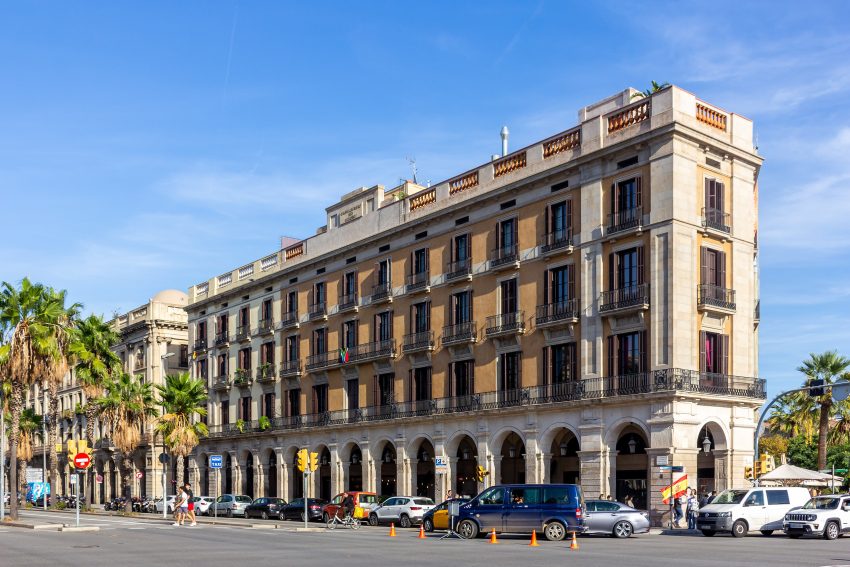
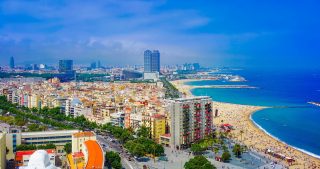
Pg. d'Isabel II, 4 sits on Passeig d'Isabel II, a broad, waterfront-facing stretch that forms a natural boundary between the older lanes of Ciutat Vella and the open harbor atmosphere of Port Vell. It's not a single, ticketed sight in itself, but it works extremely well as a map pin: a simple, scenic waypoint that helps you link El Born, Pla de Palau, and the marina edge without feeling like you're “transiting.”
This promenade also works neatly in a Picasso context because it puts you within a few minutes' walk of the streets where his early Barcelona story becomes tangible. After the strong reception of his painting The First Communion at Barcelona's Third Exhibition of Fine Arts and Artistic Industries in 1896, Picasso's father rented him a modest workshop nearby at No. 4 of La Plata Street in the Ribera district, close to the family home on La Mercè Street. It's a useful detail to hold in mind as you walk here: this waterfront edge is not just pretty-it's part of the everyday geography Picasso moved through as a teenager.
Today, that former workshop address has evolved into the Serras Hotel, a luxury boutique property that nods to the site's artistic past with a dedicated Picasso Suite. So while Pg. d'Isabel II, 4 is best treated as a “connector” stop, it also sits on a route that makes sense on a Picasso walking tour: the waterfront air and wide sidewalks lead you straight into Ribera/El Born, where you can visit the places tied to his training, early work, and later legacy.
Table of Contents
- History and Significance of the Pg. d’Isabel II, 4
- Things to See and Do in the Pg. d’Isabel II, 4
- How to Get to the Pg. d’Isabel II, 4
- Practical Tips on Visiting the Pg. d’Isabel II, 4
- Where to Stay Close to the Pg. d’Isabel II, 4
- Is the Pg. d’Isabel II, 4 Worth Visiting?
- For Different Travelers
- FAQs for Visiting Pg. d’Isabel II, 4
- Nearby Attractions to the Pg. d’Isabel II, 4
History and Significance of the Pg. d’Isabel II, 4
Passeig d’Isabel II runs through a zone historically shaped by shipping, trade, and the city’s relationship with the sea. Pla de Palau has long acted as a hinge between the dense medieval city and the working port, which is why the streets here feel more spacious and outward-facing than the tighter lanes deeper in Ciutat Vella.
As a standalone address, Pg. d'Isabel II, 4 matters less for a single façade and more for what it represents: a threshold where Barcelona opens from “old city” into “harbor city.” It's a good place to understand how the city's mercantile backbone later became a more visitor-friendly waterfront-still connected to history, but designed for walking and lingering rather than loading and unloading.
For Picasso travelers, the deeper significance sits just inland. In the wake of the 1896 success of The First Communion, Picasso's father secured him a workshop at Carrer de la Plata, 4 in Ribera, where the young artist (around 15 or 16) painted major early works including Science and Charity. That painting's realism is part of what makes this chapter so striking: it features his sister Lola as the patient in bed, with his father posing as the doctor, and it went on to win a prize in Madrid-an early signal that Picasso's technical skills could compete at the highest level.
Things to See and Do in the Pg. d’Isabel II, 4
Think of this stop as “connective tissue”: an easy waterfront stroll, a handful of strong photo angles, and a low-effort way to stitch neighborhoods together on foot. From here you can drift toward El Born for small museums, cafés, and tapas, or head toward the marina for a breezier Port Vell circuit along the water.
If you want to build a Picasso thread into the walk, use this stretch as your lead-in to Ribera and Carrer de la Plata. The story is compelling precisely because it's grounded: a teenage Picasso working in a modest rented studio, producing ambitious, highly realistic paintings that impressed the Barcelona art world and then won recognition beyond Catalonia.
To make it concrete, consider a short detour to the former workshop site at La Plata, 4-now the Serras Hotel-then continue on toward El Born's lanes and, if it's part of your plan, the Museu Picasso. It's a satisfying sequence for a Picasso walking tour: waterfront openness, a glimpse of the “young Picasso” working geography, then the museum context that shows how quickly his art evolved from academic realism into something far more disruptive.
How to Get to the Pg. d’Isabel II, 4
Barcelona-El Prat Airport (BCN) is the main international airport; Girona-Costa Brava Airport (GRO) and Reus Airport (REU) can also be options depending on your flights. For the best deals and a seamless booking experience, check out these flights to Barcelona on Booking.com.
If you're arriving by rail, Barcelona Sants is the primary hub for long-distance and high-speed services, and you can connect onward by Metro or taxi to the old town/harbor area. Train schedules and bookings can be found on Omio.
By car, you can reach the waterfront via the main city arteries, but driving in Ciutat Vella can be slow and parking is limited, so a paid garage is usually the least stressful choice. If you are looking to rent a car in Spain I recommend having a look at Discover Cars, first, as they compare prices and review multiple car rental agencies for you.
Practical Tips on Visiting the Pg. d’Isabel II, 4
- Entrance fee: Free.
- Opening hours: 24 Hours.
- Best time to visit: Late afternoon into sunset for softer light and a breezier waterfront walk; mornings are calmer if you want fewer people.
- How long to spend: 10-20 minutes as a waypoint, or 45-90 minutes if you combine it with a harbor stroll and nearby stops in El Born.
- Accessibility: Sidewalks are generally flat and walkable, though curb cuts and pavement quality can vary by block.
- Facilities: Public restrooms are not guaranteed at the address itself; plan to use nearby cafés, museums, or shopping areas for reliable facilities.
Where to Stay Close to the Pg. d’Isabel II, 4
Base yourself in Ciutat Vella (El Born or the Gothic Quarter) if you want the easiest, most walkable access to the waterfront, restaurants, and classic sights.
Duquesa de Cardona A strong pick for harbor-adjacent views and a classic Barcelona feel, with an easy walk to both the promenade and the old town lanes.
Serras Barcelona A boutique option near the waterfront that's ideal if you want a polished stay with quick access to Port Vell and evening strolls.
H10 Port Vell Convenient for transport links and the marina edge, and a good fit if you like a modern hotel base close to the action.
Park Hotel Barcelona Great for travelers who want to be near Estació de França and El Born, with lots of dining and walking routes right outside.
Hotel Rec Barcelona A practical, contemporary choice for exploring El Born on foot while still staying close to the waterfront corridor.
Is the Pg. d’Isabel II, 4 Worth Visiting?
Yes, as a location to include rather than a destination to “do.” It's worth it if you enjoy stitching a city together on foot: old town to harbor, tapas to viewpoints, and short scenic pauses that make a day feel more Barcelona.
Honest Pivot: if your trip style is strictly landmark-to-landmark and you don’t care for walking routes or waterfront atmosphere, you can skip making a special detour to this address and focus on nearby headline attractions instead.
For Different Travelers
Pg. d'Isabel II, 4 works best as a flexible stop you can shape to your pace. Think of it as a convenient pin for meeting up, resetting your route, or adding a scenic segment between bigger plans.
Families with Kids
This area can be a helpful “stroller-friendly breather” between tighter old-town streets, especially if you plan short walking bursts with snack breaks. The open feel of the waterfront can also make it easier to manage energy levels than crowded lanes.
To keep things smooth, plan one nearby “anchor” activity (like a museum or a park stop) and use the promenade walk as the transition. That way, kids get movement time without it feeling like a long march.
Couples & Romantic Getaways
For couples, the appeal is the atmosphere: sea air, evening light, and the easy flow between wine bars in El Born and a quiet harbor stroll. It's a simple, low-cost way to add romance without booking anything.
Pair it with a sunset walk and a reservation nearby, and you'll get that classic Barcelona feeling of drifting from neighborhood to neighborhood. It's especially nice after a busy day of sightseeing.
Budget Travelers
Budget travelers can treat this as a free scenic experience that still feels “iconic Barcelona,” especially when you time it for golden hour. It's also a smart route choice because it connects areas where you can eat well without paying for an attraction ticket.
If you're watching spending, build a self-guided walk: Gothic Quarter to El Born to the waterfront, then back via a different set of streets. You'll get variety without extra transport costs.
FAQs for Visiting Pg. d’Isabel II, 4
Getting There
Tickets & Entry
Visiting Experience
Tours, Context & Itineraries
Photography
Accessibility & Facilities
Food & Breaks Nearby
Safety & Timing
Nearby Attractions to the Pg. d’Isabel II, 4
- El Born: A lively historic quarter known for tapas spots, boutiques, and atmospheric medieval streets.
- Gothic Quarter (Barri Gòtic): A maze of old lanes and plazas that's ideal for wandering and discovering hidden corners.
- Port Vell: Barcelona's classic harborfront area with promenades, boats, and an easy seaside vibe.
- Estació de França: A beautiful historic train station that’s worth a quick look if you enjoy architecture.
- Barceloneta: The go-to neighborhood for beach time, seafood, and a long coastal walk.
The Pg. d'Isabel II, 4 appears in our Complete Guide to Visiting Barcelona!

Moira & Andy
Hey! We're Moira & Andy. From hiking the Camino to trips around Europe in Bert our campervan — we've been traveling together since retirement in 2020!
This website uses affiliate links which may earn a commission at no additional cost to you!
Planning Your Visit
24 Hours.
Free.
Nearby Attractions
- Casa Llotja de Mar (0.1) km
Arts Venue, Historic Building and Historic Site - Carrer de la Plata, 4 (0.2) km
Historic Site and Street - Basílica de Santa Maria del Mar (0.2) km
Basilica, Church and Historic Building - Museum of the History of Catalonia (0.3) km
Attraction and Museum - Palau Requesens (0.4) km
Arts Venue, Historic Building and Palace - Plaça de Sant Just (0.4) km
Square - Barcelona Roman Walls (0.4) km
City Walls and Roman Site - Plaça de l'Àngel (0.4) km
Square - Carrer d'Avinyó, 44 (0.4) km
Area, Attraction and Street - Picasso Museum (0.4) km
Arts Venue, Gallery and Museum