Pazo de Xelmírez, Santiago de Compostela
Historic Building, Museum and Palace in Santiago de Compostela
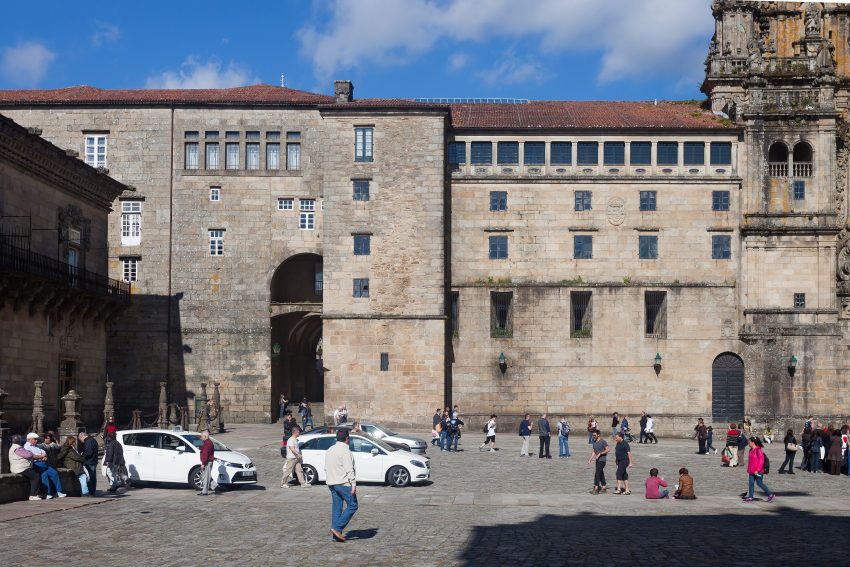
Tucked beside Santiago de Compostela's Cathedral on Praza do Obradoiro, the Pazo de Xelmírez (also known as the Palacio de Gelmírez) is a medieval archbishop's palace with some of the city's most atmospheric historic interiors. It's typically visited as part of the Cathedral Museum circuit, so it fits naturally into a day exploring the old town's UNESCO-listed streets.
If you're doing a walking tour of Santiago's historic center, this is one of the easiest “step inside” stops to add: you're already in the cathedral's orbit, and the palace rooms give you a vivid sense of how power, ceremony, and daily life once worked around the shrine of St. James. For the best first impression, approach from Obradoiro Square, then plan to pair it with the cathedral museum spaces and nearby viewpoints.
Table of Contents
- History and Significance of the Pazo de Xelmírez
- Things to See and Do in the Pazo de Xelmírez
- How to Get to the Pazo de Xelmírez
- Practical Tips on Visiting the Pazo de Xelmírez
- Where to Stay Close to the Pazo de Xelmírez
- Is the Pazo de Xelmírez Worth Visiting?
- For Different Travelers
- FAQs for Visiting Pazo de Xelmírez
- Nearby Attractions to the Pazo de Xelmírez
History and Significance of the Pazo de Xelmírez
The Pazo de Xelmírez is closely tied to Archbishop Diego Xelmírez, the influential churchman who helped shape medieval Santiago into a major European pilgrimage destination. Built in the early 12th century, the palace functioned as both a residence and an administrative hub, reflecting the cathedral's growing importance and the archbishop's political reach.
Architecturally, it’s especially prized for its Romanesque character, which is relatively rare for civic (non-monastic) buildings in Spain. Over time, as tastes and needs changed, later elements were layered in, so the building also hints at the long, evolving story of the cathedral complex.
Today, visiting the Pazo is less about a single “must-see object” and more about stepping into a preserved medieval setting: stonework, proportions, and ceremonial rooms that make the cathedral’s history feel tangible rather than abstract.
Things to See and Do in the Pazo de Xelmírez
Start by slowing down in the grand medieval rooms, where the scale and stone detailing communicate status and ceremony even without a long explanation. If you enjoy reading spaces like you’d read a story, look for how entrances, stairways, and room sizes guide movement and hierarchy.
Because the Pazo is commonly integrated into the Cathedral Museum visit, it's ideal to combine it with other museum areas the same day. Treat it as your “context stop” before or after the cathedral interior: it helps you understand the institutional world that grew around the pilgrimage.
If your ticket includes rooftop or tower experiences elsewhere in the cathedral program, the Pazo can also feel like the calm, grounded counterpoint to those big panoramic moments. Do the views first if you want the wow-factor, then come here to absorb the medieval atmosphere at a quieter pace.
How to Get to the Pazo de Xelmírez
The nearest airport is Santiago–Rosalía de Castro Airport (SCQ), with additional options in A Coruña (LCG) and Vigo (VGO) if flights or prices work better for your route. For the best deals and a seamless booking experience, check out these flights to Santiago de Compostela on Booking.com.
Santiago de Compostela has train connections (including faster services on key routes), and arriving by rail is convenient because you can reach the old town by taxi or local bus and then continue on foot. Train schedules and bookings can be found on Omio.
If you’re traveling by car, aim for a public car park on the edge of the historic center and walk in, since the old town has restricted access and narrow streets. If you are looking to rent a car in Spain I recommend having a look at Discover Cars, first, as they compare prices and review multiple car rental agencies for you.
Practical Tips on Visiting the Pazo de Xelmírez
- Official website: https://visitas.catedraldesantiago.es/
- Entrance fee: Adults: €9; Reduced: €7; Under 12: free.
- Opening hours: Monday – Sunday: 10:00–20:00.
- Best time to visit: Go earlier in the day for a calmer experience, especially in peak pilgrimage and summer travel months. If you’re pairing it with cathedral viewpoints, schedule those first, then come here to linger.
- How long to spend: Plan 20–40 minutes if you’re moving steadily, or up to an hour if you like to take photos (where permitted) and read interpretive material.
- Accessibility: Expect historic architecture with stairs and uneven surfaces in places; some themed routes in the cathedral program are not wheelchair-accessible. If mobility is a concern, confirm which areas are step-free before buying.
- Facilities: Facilities are generally organized through the Cathedral Museum visitor reception area; travel light because large bags and umbrellas may be restricted.
Where to Stay Close to the Pazo de Xelmírez
Base yourself in the Old Town (Centro Histórico) so you can walk to the cathedral complex early and late, when the streets are at their most atmospheric.
Parador de Santiago de Compostela (Hostal dos Reis Católicos) This is the classic splurge choice: unbeatable location right on Obradoiro Square and a once-in-a-lifetime “sleep inside history” feel.
NH Collection Santiago de Compostela A polished, reliable upscale option with easy access to the center and a more contemporary comfort level after long walking days.
Hotel Costa Vella A charming, smaller hotel with a peaceful vibe that still keeps you within an easy stroll of the cathedral area.
Hotel Praza Quintana A smart pick if you want to be right in the old town’s heart, close to evening strolls and early-morning photo opportunities.
A Tafona do Peregrino A friendly, pilgrim-welcoming stay that’s great for travelers who value warmth and practicality over luxury, while staying walkable to the main sights.
Is the Pazo de Xelmírez Worth Visiting?
Yes, especially if you're already planning to see the cathedral complex: the Pazo de Xelmírez adds depth to your visit by showing the civic and administrative world that grew alongside the pilgrimage. It's one of those places where the “feel” of the stone rooms and medieval layout is the main attraction, and it pairs perfectly with a walking tour of the old town.
Honest Pivot: if you strongly prefer fully guided interpretation in English (or you dislike historic interiors that are more about atmosphere than objects), you may find it less satisfying unless you book a tour/language option that fits you. In that case, prioritize viewpoints, plazas, and the broader old town walk, then only add the Pazo if it’s included in a ticket bundle you already want.
What Other Travellers Say...

Google reviewers rate the experience very highly overall (4.5/5). Visitors frequently praise the palace’s medieval character and its importance as a rare Romanesque civic building, and many highlight the cathedral rooftop/tower views when included in their ticket. Common drawbacks mentioned include limited language options on some tours (especially for non-Spanish speakers) and occasional frustration with ticketing or staff interactions.


For Different Travelers
The Pazo de Xelmírez works best as a flexible add-on within a cathedral-and-old-town day. Your enjoyment will depend on whether you like historic spaces for their atmosphere, or you need lots of interpretation to feel engaged.
Families with Kids
Kids who enjoy “castle-like” spaces and imagining medieval life can have fun here, especially if you turn it into a quick scavenger hunt for arches, staircases, and carved details. Keep the pace brisk and pair it with an outdoor break in Obradoiro Square.
If your family is also doing rooftops or towers in the cathedral program, consider energy levels: lots of stairs in one day can be a lot. Build in a snack stop and let the Pazo be the quieter, shorter indoor segment.
Couples & Romantic Getaways
For couples, the appeal is the setting: stepping from Santiago’s iconic square into a stone palace interior feels cinematic. It’s an easy way to add a “hidden layer” to a cathedral visit without needing a full extra excursion.
Plan your visit to flow into a sunset walk through the old town lanes afterward. Even if you don’t spend long inside, it’s a memorable contrast to the lively plazas outside.
Budget Travelers
If you're watching costs, the Pazo is best when it's included in a museum ticket you already want for the cathedral experience. You'll get more value by planning a full old-town walking route around it, since the surrounding streets and squares deliver a lot for free.
Also consider timing: visiting on a quieter day can make the experience feel “bigger” without spending extra on add-ons. If language is a barrier, a self-guided approach with a short pre-read can help you get more from the rooms.
History Buffs
History lovers will appreciate how the Pazo connects architecture to power: it’s a physical reminder that Santiago’s pilgrimage story was also an institutional and political story. Look closely at how the building communicates authority through scale, access points, and ceremonial space.
To deepen the visit, pair it with other museum areas in the cathedral complex and then walk the old town with an eye for layers: Romanesque foundations, later additions, and the living city built around them.
FAQs for Visiting Pazo de Xelmírez
Getting There
Tickets & Entry
Visiting Experience
Tours, Context & Itineraries
Photography
Accessibility & Facilities
Food & Breaks Nearby
Safety & Timing
Nearby Attractions to the Pazo de Xelmírez
- Santiago de Compostela Cathedral: The city's iconic pilgrimage destination, best appreciated both inside and from the surrounding squares.
- Praza do Obradoiro: The grand main square for classic photos, people-watching, and a sense of Santiago's scale.
- Pórtico da Gloria (Cathedral program): A masterpiece of medieval sculpture that's often accessed via timed visits.
- Monasterio de San Martiño Pinario: A monumental monastery complex close to the cathedral, impressive for architecture lovers.
- Mercado de Abastos de Santiago: The city's main market, ideal for tasting Galician produce and picking up edible souvenirs.
The Pazo de Xelmírez appears in our Complete Guide to Visiting Santiago de Compostela!

Moira & Andy
Hey! We're Moira & Andy. From hiking the Camino to trips around Europe in Bert our campervan — we've been traveling together since retirement in 2020!
This website uses affiliate links which may earn a commission at no additional cost to you!
Planning Your Visit
Monday - Sunday: 10:00-20:00.
Adults: €9; Reduced: €7; Under 12: free.
Nearby Attractions
- Cathedral of Santiago de Compostela (0) km
Cathedral and Religious Building - Porch of the Glory (0) km
Cathedral, Historic Room and Historic Site - Restaurante Botafumeiro (0) km
Attraction and Café - Praza do Obradoiro (0) km
Attraction and Square - Hostal Real de Santiago de Compostela (0) km
Historic Building, Historic Site and Hotel - Santiago de Compostela Cathedral Museum (0.1) km
Cathedral and Museum - Pazo de Raxoi (0.1) km
Historic Building, Palace and Town Hall - Praza da Inmaculada (0.1) km
Attraction, Historic Site and Square - Fountain of Horses (0.1) km
Attraction, Fountain and Square - Mosteiro de San Martiño Pinario (0.1) km
Historic Building, Monastery and Museum