Palazzo Isolani, Bologna
Palace in Bologna
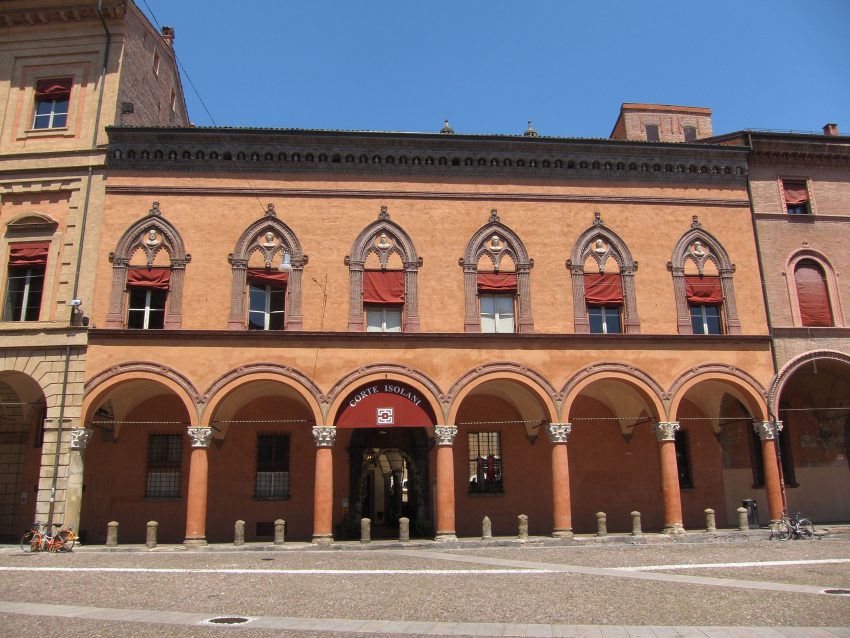
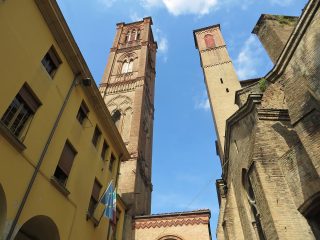
Standing proudly near the Two Towers on Strada Maggiore, Palazzo Isolani is one of Bologna's finest examples of Renaissance architecture and aristocratic heritage. Once home to one of the city's most distinguished noble families, the palace has evolved over the centuries into a refined blend of history and contemporary style. Today, it's one of the top attractions in Bologna for those who appreciate grand architecture and a touch of modern sophistication. With its beautifully preserved halls and a boutique hotel on-site, Palazzo Isolani is also a great place to visit on a walking tour of Bologna for travelers interested in both art and urban life.
Its elegant arcades and intricate detailing stand as a reminder of Bologna's 15th-century prosperity, while its new role as an event space and hotel keeps it at the heart of the city's vibrant social scene. Few places embody Bologna's ability to balance preservation with innovation as gracefully as Palazzo Isolani.
History and Significance of Palazzo Isolani
Palazzo Isolani was constructed in the 15th century for the prominent Isolani family, one of Bologna's oldest noble dynasties. Its design, attributed to architect Pagno di Lapo Portigiani, blends Renaissance symmetry with Gothic elements, evident in the graceful arches and windows that line its façade. The palace served as the Isolani family residence for generations and played host to aristocrats, scholars, and political figures during Bologna's most prosperous periods.
Over time, the building underwent renovations that respected its original form while introducing elegant interior features - from frescoed ceilings to grand staircases and marble floors. The palace stands on Strada Maggiore, one of Bologna's most historic streets, connecting directly to the famed Two Towers, making it a natural part of the city's architectural and cultural heritage.
Things to See and Do in Palazzo Isolani
Visitors entering Palazzo Isolani are greeted by a magnificent portico and courtyard that exemplify the refinement of Bolognese Renaissance design. The inner courtyard, framed by arcades, offers a peaceful escape from the bustle of Strada Maggiore, with its original columns and arches beautifully preserved. Inside, rooms once belonging to the Isolani family retain their noble charm, adorned with period furnishings and decorative plasterwork.
In recent years, part of the palace has been transformed into a boutique hotel, bringing new life to this historic space. The luxurious rooms and suites preserve their architectural character while offering modern comforts, allowing guests to experience Bologna’s history firsthand. Other sections of the building are now used for Isolani Meeting - a venue for congresses, seminars, workshops, and press conferences. These versatile event rooms merge historical elegance with contemporary functionality, making the palace a central hub for cultural and professional gatherings in Bologna.
How to Get There
For those arriving by train, Bologna Centrale is the nearest major railway station and about a 20-minute walk or a short bus ride to Strada Maggiore. Use Omnio to easily compare schedules, book train tickets, and find the best prices all in one place for a hassle-free journey across Italy. Travelers arriving by car can park at Parcheggio VIII Agosto or Tanari Parking, both within easy reach of the city center. If you are looking to rent a car in Italy I recommend having a look at Discover Cars, first, as they compare prices and review multiple car rental agencies for you.
Practical Tips on Visiting Palazzo Isolani
- Best time to visit Palazzo Isolani: During open-house days or public events to access interior spaces.
- Entrance fee in Euros: Free for the exterior and courtyard; fees apply for hotel stays or private events.
- Opening hours: Dependent on event schedule and hotel operations.
- Official website: www.palazzoisolani.it
- How long to spend: 20-45 minutes for a visit; overnight for guests of the hotel.
- Accessibility: The main courtyard is accessible; some interior areas have limited mobility access.
- Facilities: Boutique hotel, event spaces, and nearby cafés.
- Photography tip: Capture the symmetry of the courtyard arches or the façade’s elegant terracotta tones at sunset.
- Guided tours: Occasionally offered during Bologna’s cultural heritage events.
- Nearby food options: Numerous restaurants and cafés along Strada Maggiore and near the Two Towers.
Is Palazzo Isolani Worth Visiting?
Yes - Palazzo Isolani is one of the must-see places in Bologna for its architectural grace and rich cultural evolution. Whether admired from its historic portico, explored during an event, or experienced as a boutique hotel guest, the palace offers an intimate connection with Bologna's Renaissance past. It's a place where old-world beauty meets modern vitality, perfectly encapsulating the city's enduring charm.
What Other Travellers Say...

Palazzo Isolani, at Via Santo Stefano 16 in Bologna, is a well-preserved historic palace now hosting shops, restaurants and event spaces; visitors praise its atmospheric medieval architecture, striking portico and oak pillars, and note a light-filled internal galleria (Corte Isolani) that connects to Piazza Santo Stefano. Guests also report it operates in part as accommodation with friendly service, comfortable rooms, a small kitchen area and a communal rooftop terrace, and others highlight its suitability for conferences and events.


FAQs for Visiting Palazzo Isolani
Nearby Attractions to Palazzo Isolani
- The Two Towers - Bologna's most famous medieval landmarks, just a short walk away.
- Basilica of Santo Stefano - A complex of seven interconnected churches steeped in history.
- Palazzo della Mercanzia - A Gothic gem symbolizing Bologna's merchant past.
- Strada Maggiore - A lively street lined with porticoes, cafés, and artisan boutiques.
- Oratory of Santa Cecilia - A Renaissance chapel known for its stunning fresco cycle.
The Palazzo Isolani appears in our Complete Guide to Visiting Bologna!

Moira & Andy
Hey! We're Moira & Andy. From hiking the Camino to trips around Europe in Bert our campervan — we've been traveling together since retirement in 2020!
This website uses affiliate links which may earn a commission at no additional cost to you!
Planning Your Visit
Nearby Attractions
- Seven Churches and the Basilica of Santo Stefano (0.0) km
Basilica - Palazzo Della Mercanzia (0.2) km
Palace - The Two Towers: Garisenda and Degli Asinelli (0.2) km
Tower - Palazzo Fantuzzi (0.2) km
Palace - Santa Maria della Vita & Oratory of Battuti (0.3) km
Church - Museo Civico Archeologico (0.4) km
Museum - Palazzo dei Banchi (0.4) km
Palace - Jewish Museum (0.4) km
Museum - The Porticoes of Bologna (0.4) km
Historic Building - Archiginnasio Palace (0.4) km
Palace