Palau de la Música Catalana, Barcelona
Arts Venue, Historic Building and Theatre in Barcelona
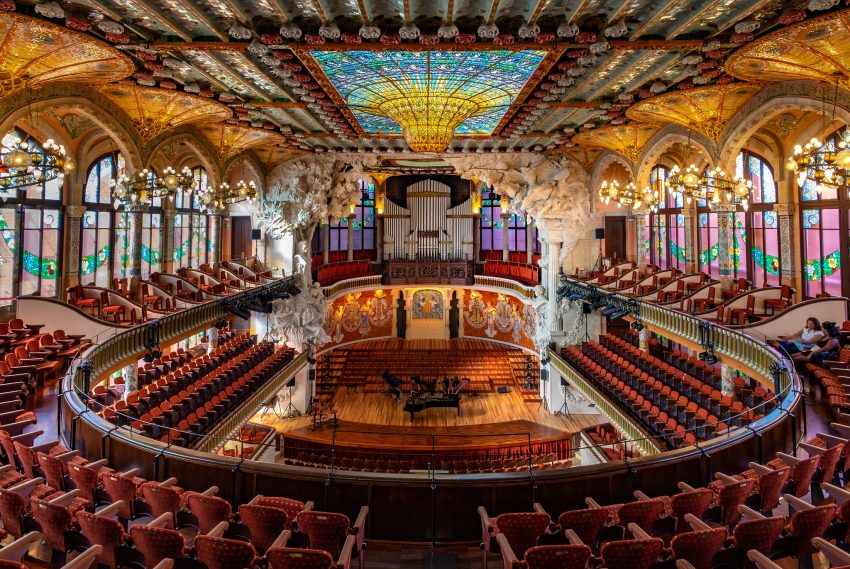
Tucked into a small lane just off Via Laietana, the Palau de la Música Catalana is Barcelona's show-stopping Modernisme concert hall and one of the city's most memorable interiors. Even if you're not catching a performance, it's a standout stop for architecture lovers thanks to its stained glass, mosaics, sculptural details, and the way daylight pours into the auditorium.
It's easy to add the Palau to a walking tour of central Barcelona, especially if you're already exploring the Gothic Quarter, El Born, or Plaça de Catalunya. Many visitors simply come to admire the façade and snap photos, but the best views are inside on a guided visit or during a concert when the acoustics and atmosphere really come alive.
Table of Contents
- History and Significance of the Palau de la Música Catalana
- Things to See and Do in the Palau de la Música Catalana
- How to Get to the Palau de la Música Catalana
- Practical Tips on Visiting the Palau de la Música Catalana
- Where to Stay Close to the Palau de la Música Catalana
- Is the Palau de la Música Catalana Worth Visiting?
- For Different Travelers
- FAQs for Visiting Palau de la Música Catalana
- Nearby Attractions to the Palau de la Música Catalana
History and Significance of the Palau de la Música Catalana
The Palau de la Música Catalana was created as a home for Catalan choral culture and quickly became a symbol of the city's artistic confidence in the early 20th century. It's closely linked to the Orfeó Català, the choral society that helped drive the project and shaped its identity as both a civic landmark and a working performance venue.
Architecturally, it’s one of the defining works of Catalan Modernisme, where structure and decoration fuse into a single, immersive experience. Rather than hiding the building’s engineering, the design celebrates it with color, light, and craft—turning a concert hall into a total artwork.
Today, the Palau’s international reputation comes from two things: its status as a UNESCO-recognized cultural treasure and its ongoing calendar of concerts, from classical and choral programs to special events. Visiting is not just about seeing a beautiful building; it’s about stepping into a living piece of Barcelona’s cultural life.
Things to See and Do in the Palau de la Música Catalana
The main event is the Concert Hall itself. Look up to the famous central skylight that seems to bloom overhead, then scan the walls for layered details—mosaics, floral motifs, and sculptural elements that feel almost theatrical even before the music starts. If you attend a performance, arrive early so you can take it all in without rushing.
If you’re visiting during the day, a guided tour is the most rewarding way to understand what you’re seeing. Tours typically highlight the building’s symbolism, craftsmanship, and how the hall was designed to amplify sound, plus they help you notice the smaller details you’d otherwise miss.
For a slower-paced visit, pair the Palau with nearby neighborhoods: stroll through El Born for boutiques and cafés, or weave it into a Modernisme-focused route that also includes other landmark buildings in the city center. It's a great “anchor stop” that elevates a day of walking and sightseeing.
How to Get to the Palau de la Música Catalana
Barcelona–El Prat Airport (BCN) is the closest major airport, with Girona–Costa Brava (GRO) and Reus (REU) also serving some routes depending on season and airline. For the best deals and a seamless booking experience, check out these flights to Barcelona on Booking.com.
If you're arriving by train, Barcelona Sants is the main hub for high-speed and long-distance services, and from there you can connect by Metro, taxi, or local rail to the city center before walking to the Palau. Train schedules and bookings can be found on Omio.
Within Barcelona, the Palau sits in a very walkable part of the city between Plaça de Catalunya and the Gothic Quarter/El Born edges. If you're driving, plan to park in a paid garage nearby and finish on foot, since the surrounding streets are narrow and traffic restrictions can make door-to-door driving impractical. If you are looking to rent a car in Spain I recommend having a look at Discover Cars, first, as they compare prices and review multiple car rental agencies for you.
Practical Tips on Visiting the Palau de la Música Catalana
- Official website: https://www.palaumusica.cat/en
- Entrance fee: Guided tour: Adults €24; Seniors (65+) €20; Under 35 €20; Under 10: free; Residents of Catalonia €14 (box office prices may be higher).
- Opening hours: Monday – Saturday: 08:30–21:00. Sunday: 08:30–15:30.
- Best time to visit: Go earlier in the day for calmer streets and better light for exterior photos, or visit in the evening with a concert ticket for the full atmosphere.
- How long to spend: Budget 60–90 minutes for a guided visit, or 2–3 hours if you’re attending a performance and want time to arrive early and linger afterward.
- Accessibility: Step-free access is available for many areas, and accessible visit options are offered; confirm route details when booking if you have specific mobility needs.
- Facilities: Expect on-site services like ticketing support and nearby options for coffee or a meal; travel light for performances, as large bags can be inconvenient.
Where to Stay Close to the Palau de la Música Catalana
Base yourself in central Barcelona (Eixample or the Plaça de Catalunya/Gothic Quarter edge) for the easiest walking access to the Palau and the rest of the highlights.
If you want to be steps from the action, staying around Plaça de Catalunya or the northern edge of the Gothic Quarter makes it easy to walk to the Palau, La Rambla, and many top sights without relying on transport. For a more design-forward, restaurant-rich stay, Eixample is a short ride or longer walk away and offers a calmer nighttime feel while still being very central.
Catalonia Catedral Chosen for its central Old Town location that keeps you within an easy walk of the Palau while still feeling tucked into historic streets.
H10 Madison A stylish pick near the cathedral area, great for travelers who want a polished, modern base close to the Palau and major walking routes.
Ohla Barcelona Ideal if you want a high-end stay very close to the Palau, with a sleek design vibe and quick access to El Born and the Gothic Quarter.
Hotel Rec Barcelona A smart option near El Born for travelers who want a contemporary feel and an easy stroll to the Palau plus great nearby dining.
Yurbban Passage Hotel & Spa Included for its comfort-focused amenities and excellent location between Eixample and the Old Town, making Palau visits simple.
Is the Palau de la Música Catalana Worth Visiting?
Yes—if you like architecture, music, or iconic interiors, the Palau de la Música Catalana is one of Barcelona's most rewarding “wow” moments. It's not just pretty; it feels alive, and the combination of craftsmanship, light, and acoustics makes it stand out even in a city packed with landmarks.
Honest Pivot: If you're short on time and not especially interested in concert halls, you may be satisfied with exterior photos and put your hours toward Gaudí sites or a neighborhood-focused day in El Born and the Gothic Quarter. Also, if you dislike guided visits or structured schedules, you might prefer attractions that are more free-roam and open-air.
What Other Travellers Say...

Reviewers rate the Palau de la Música Catalana extremely highly, with visitors consistently describing it as a must-see in Barcelona. Common highlights include the breathtaking Modernist architecture and intricate details, excellent acoustics during concerts, and the value of guided tours for understanding the building. Staff are frequently praised as friendly and professional, and many travelers recommend combining a quick exterior stop with an interior visit. The main downsides mentioned tend to be practical rather than experiential: it can get busy, and some visitors note that tickets and schedules depend on tours and performances, so planning ahead helps.


For Different Travelers
The Palau works well for many travel styles because it’s central, visually striking, and flexible: you can admire it quickly from outside, book a tour, or plan a full evening around a performance. The best choice depends on whether you want a quick architectural highlight or a deeper cultural experience.
Families with Kids
Families often enjoy the Palau because it feels like stepping into a storybook of color and shapes, and the interior details keep kids engaged if you turn it into a “spot the animals and flowers” game. It’s also a good rainy-day option when you want something memorable indoors.
That said, younger kids may do best with shorter visits or family-oriented activities, since a full tour can feel long if they’re not into architecture. If you’re attending a concert, choose a program that fits your child’s attention span and comfort with quiet settings.
Couples & Romantic Getaways
For couples, the Palau is an easy win: it’s beautiful, atmospheric, and perfectly placed for a date-like itinerary that includes a stroll through the Old Town and dinner nearby. A concert night here can feel like a special occasion without needing a complicated plan.
If you’re celebrating something, consider timing your visit for golden hour outside, then transitioning into an evening performance. The setting is naturally romantic—ornate, glowing, and full of small details that reward lingering looks.
Budget Travelers
Budget travelers can still enjoy the Palau by treating it as a neighborhood highlight: the exterior is impressive, and the surrounding streets are packed with free-to-browse atmosphere. Pair it with a self-guided walk through the Gothic Quarter and El Born to build a full day without paid entry.
If you do want to go inside, compare tour options and look for eligible discounts, then book ahead to avoid last-minute price surprises. You’ll get the most value by choosing one paid “must-see” interior and balancing it with free viewpoints and walks.
FAQs for Visiting Palau de la Música Catalana
Getting There
Tickets & Entry
Visiting Experience
Tours, Context & Itineraries
Photography
Accessibility & Facilities
Food & Breaks Nearby
Safety & Timing
Nearby Attractions to the Palau de la Música Catalana
- Barcelona Cathedral: A Gothic landmark with an atmospheric cloister, easy to pair with a Palau visit.
- Plaça de Catalunya: The city's central square and a convenient meeting point for walking routes and transport connections.
- El Born: A lively neighborhood for tapas, boutiques, and evening strolls just a short walk away.
- Gothic Quarter: A maze of medieval streets and plazas that makes a perfect pre- or post-Palau wander.
- Arc de Triomf: A photogenic monument and gateway to a pleasant promenade toward Parc de la Ciutadella.
The Palau de la Música Catalana appears in our Complete Guide to Visiting Barcelona!

Moira & Andy
Hey! We're Moira & Andy. From hiking the Camino to trips around Europe in Bert our campervan — we've been traveling together since retirement in 2020!
This website uses affiliate links which may earn a commission at no additional cost to you!
Planning Your Visit
Monday - Saturday: 08:30-21:00.
Sunday: 08:30-15:30.
Guided tour: Adults €24; Seniors (65+) €20; Under 35 €20; Under 10: free; Residents of Catalonia €14 (box office prices may be higher).
Nearby Attractions
- Mercat de Santa Caterina (0.2) km
Attraction, Bazaar and Market - Els Quatre Gats (0.3) km
Arts Venue, Café and Historic Building - COAC (Col·legi d’Arquitectes de Catalunya) (0.3) km
Arts Venue and Historic Building - Sant Pere of the Puelles (0.4) km
Church, Historic Site and Religious Building - Plaça de Ramon Berenguer el Gran (0.4) km
Roman Site and Square - Mercat Gòtic (0.4) km
Attraction, Bazaar and Market - Plaça Nova (0.4) km
Square - Casa de l'Ardiaca (0.4) km
Archive, Courtyard and Historic Building - Museu Frederic Marès (0.4) km
Historic Site, Museum and Sculpture - Plaça de Catalunya (0.4) km
Square