Palacio de Cibeles, Madrid
Arts Venue, Historic Building and Town Hall in Madrid
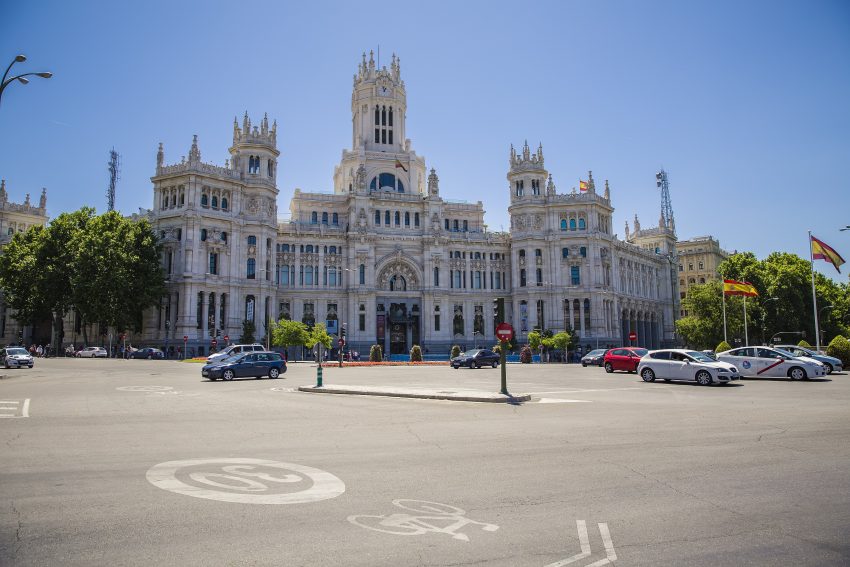
Palacio de Cibeles is one of Madrid's most striking landmark buildings, rising over Plaza de Cibeles between the Paseo del Prado and Calle de Alcalá. Once the city's grand communications headquarters and now home to Madrid City Hall and the CentroCentro cultural space, it's a rewarding stop even if you're short on time.
It's also an easy highlight to weave into a walking tour of central Madrid: pair it with the Paseo del Arte museums, a stroll through Retiro Park, or a loop that includes Gran Vía and the elegant boulevards around Banco de España. For the best views, don't miss the Mirador (viewpoint), which turns the palace into a skyline experience.
Table of Contents
- History and Significance of the Palacio de Cibeles
- Things to See and Do in the Palacio de Cibeles
- How to Get to the Palacio de Cibeles
- Practical Tips on Visiting the Palacio de Cibeles
- Where to Stay Close to the Palacio de Cibeles
- Is the Palacio de Cibeles Worth Visiting?
- For Different Travelers
- FAQs for Visiting Palacio de Cibeles
- Nearby Attractions to the Palacio de Cibeles
History and Significance of the Palacio de Cibeles
The building opened in the early 20th century as the Palacio de Comunicaciones, designed to project modernity and civic pride through an exuberant, white-stone façade that feels part cathedral, part fantasy palace. Its location at Plaza de Cibeles placed it at the heart of Madrid's grand urban axis, framed by major avenues and some of the city's most iconic monuments.
Over time, the palace evolved from a working hub of communications into a symbol of Madrid itself. Today it serves as the seat of the Ayuntamiento (City Hall) while also hosting CentroCentro, a cultural center that brings contemporary exhibitions, talks, and events into a historic setting.
That dual identity is what makes Palacio de Cibeles special: it's not just something you photograph from the plaza, it's a living public building where you can step inside, admire the interiors, and then head upward for a panoramic look at the city's layout.
Things to See and Do in the Palacio de Cibeles
Start at street level by taking in the palace's sculptural façade and the energy of Plaza de Cibeles, with the famous fountain and constant flow of city life. Inside, the atmosphere shifts to airy and monumental, with exhibition areas that often make the most of the building's scale and light.
CentroCentro is the main reason to go beyond a quick photo stop. Depending on what’s on, you might find contemporary art, design, photography, or city-focused exhibitions that add context to Madrid’s culture and urban identity. Even when you don’t plan around a specific show, it’s a satisfying “walk-in” attraction because the building itself is part of the experience.
For many travelers, the headline moment is the Mirador Madrid viewpoint. The timed entry keeps things moving, and the payoff is a sweeping, 360-degree perspective that helps you spot major landmarks and understand how central Madrid fits together.
How to Get to the Palacio de Cibeles
Madrid's nearest major airport is Adolfo Suárez Madrid–Barajas Airport (MAD), with frequent metro, bus, taxi, and rideshare connections into the city center. For the best deals and a seamless booking experience, check out these flights to Madrid on Booking.com.
If you're arriving by train, Madrid-Puerta de Atocha and Madrid-Chamartín are the main stations; from either, you can connect by metro, Cercanías, or a short taxi ride toward Plaza de Cibeles. Train schedules and bookings can be found on Omio.
By metro, the most convenient stop is Banco de España (Line 2), just a few minutes’ walk to the palace. If you’re driving, aim for a central parking garage nearby and avoid trying to street-park around the plaza, where traffic restrictions and congestion can make it frustrating. If you are looking to rent a car in Spain I recommend having a look at Discover Cars, first, as they compare prices and review multiple car rental agencies for you.
Practical Tips on Visiting the Palacio de Cibeles
- Official website: https://www.centrocentro.org/
- Entrance fee: Free to enter the building; Mirador (viewpoint): from €4 (discounts available).
- Opening hours: Tuesday – Sunday: 10:00–20:00. Closed on Monday.
- Best time to visit: Go on a weekday morning for a calmer interior visit, then time the Mirador for late afternoon light if you want softer photos over the rooftops.
- How long to spend: Plan 45–90 minutes for the building and a quick exhibition look; add 30–45 minutes if you’re doing the Mirador with a timed slot.
- Accessibility: The venue is generally step-free with elevators for moving between floors; expect a brief security check at entry.
- Facilities: There are restrooms inside, and you’ll usually find places for a coffee or a sit-down break in or around the building, plus plenty of options on nearby streets.
Where to Stay Close to the Palacio de Cibeles
Base yourself in central Madrid around the Paseo del Prado/Recoletos/Retiro edge for the easiest walking access to major sights and excellent transport connections.
Only YOU Boutique Hotel Madrid A stylish, design-forward option near Gran Vía and Chueca, great if you want a lively neighborhood while still being a straightforward walk or quick metro hop to Cibeles.
NH Collection Madrid Suecia A strong all-rounder close to Cibeles and the museums, with a polished feel that suits couples and first-timers who want to be in the middle of everything.
The Westin Palace, Madrid A classic luxury stay in the “Art Walk” zone, ideal if you want historic grandeur and an easy stroll to Cibeles, the Prado, and Retiro.
Hotel Regina A dependable, comfortable pick near Puerta del Sol and Alcalá, convenient for walking itineraries that include Cibeles, Gran Vía, and the museum triangle.
VP Plaza España Design A modern, upscale base with standout design and rooftop appeal, best if you want a slightly different central hub while keeping easy access to Cibeles by metro or taxi.
Is the Palacio de Cibeles Worth Visiting?
Yes, especially if you like architecture and want a “two-in-one” stop: a landmark exterior, a cultural center inside, and a viewpoint that competes with the city's best panoramas. It's also a smart addition to a walking tour day because it sits naturally between the museums, Retiro, and the central shopping streets.
Honest Pivot: if you're not planning to go up to the Mirador and you're not interested in whatever exhibition is on, you may be satisfied with seeing it from Plaza de Cibeles and spending your indoor time at the Prado/Thyssen/Reina Sofía instead.
What Other Travellers Say...
Reviews Summary
Elaborate white post office & telecoms buildings, completed in 1919, now used for council offices.
For Different Travelers
Palacio de Cibeles works well as a flexible stop: you can keep it quick for photos and a peek inside, or turn it into a longer visit with exhibitions and the Mirador. It's also easy to combine with nearby “big hitters,” so it rarely feels like a detour.
Families with Kids
Kids often enjoy the sense of scale and the “palace-like” look of the building, especially if you frame it as a city landmark with a story. The Mirador can be a fun, goal-oriented activity: go up, spot famous places, and turn it into a skyline scavenger hunt.
To keep things smooth, aim for earlier time slots and bring a small snack plan for after, since the most kid-friendly breaks are usually better just outside in the surrounding neighborhoods. Pair it with Retiro Park afterward for a high-reward, low-stress family loop.
Couples & Romantic Getaways
For couples, the Mirador is the standout: it's a memorable “we did that” moment and a great way to see Madrid's rooftops and boulevards in one sweep. The area around Cibeles also feels elegant, especially when you continue on foot toward the Paseo del Prado or the lit-up streets near Gran Vía.
Make it a mini-date by timing your visit before a nice dinner nearby, or by combining it with a museum afternoon and a sunset viewpoint slot. Even if you skip the Mirador, the building’s interiors and the plaza views are a strong backdrop for photos together.
Budget Travelers
This is a budget-friendly landmark because you can enjoy the exterior, the plaza atmosphere, and often parts of the cultural space without spending much. If you do pay for one upgrade, the Mirador is usually a good value compared with pricier city viewpoints.
Keep costs down by arriving on foot as part of a walking day, and plan your food breaks away from the most touristy corners. The surrounding streets have plenty of affordable cafés and bakeries once you move a few blocks from the plaza.
History Buffs
History-minded travelers will appreciate how the building reflects Madrid’s early 20th-century ambitions and how its purpose shifted as the city modernized. It’s a useful case study in adaptive reuse: a monumental civic structure that now blends government functions with public culture.
To deepen the visit, look for exhibitions or guided context that connect the palace to Madrid’s broader urban story. Then step outside and read the plaza as a “living diagram” of the city’s grand avenues and landmark nodes.
FAQs for Visiting Palacio de Cibeles
Getting There
Tickets & Entry
Visiting Experience
Tours, Context & Itineraries
Photography
Accessibility & Facilities
Food & Breaks Nearby
Safety & Timing
Nearby Attractions to the Palacio de Cibeles
- Plaza de Cibeles: The iconic roundabout and fountain that's one of Madrid's most recognizable photo spots.
- Puerta de Alcalá: A monumental city gate at the edge of Retiro, perfect for a short, scenic walk from Cibeles.
- Parque del Retiro: Madrid's classic park for boating, gardens, and a relaxing break after sightseeing.
- Museo Thyssen-Bornemisza: A top-tier art museum that's easy to pair with Cibeles on a museum day.
- Círculo de Bellas Artes: A cultural institution with one of the city's most popular rooftop viewpoints.
The Palacio de Cibeles appears in our Complete Guide to Visiting Madrid!

Moira & Andy
Hey! We're Moira & Andy. From hiking the Camino to trips around Europe in Bert our campervan — we've been traveling together since retirement in 2020!
This website uses affiliate links which may earn a commission at no additional cost to you!
Planning Your Visit
Tuesday - Sunday: 10:00-20:00.
Closed on Monday.
Free to enter the building; Mirador (viewpoint): from €4 (discounts available).
Nearby Attractions
- Puerta de Alcala (0.3) km
Attraction, City Gate and Monument - Museo Thyssen-Bornemisza (0.3) km
Arts Venue, Attraction and Museum - Círculo de Bellas Artes (0.4) km
Viewing Point - Edificio Metropolis (0.4) km
Attraction, Historic Building and Notable Building - Museo Arqueologico Nacional (0.6) km
Museum - Parque del Retiro (0.6) km
Park - Museo Nacional del Prado (0.6) km
Attraction, Gallery and Museum - Biblioteca Nacional (0.6) km
Historic Building, Library and Museum - El Estanque (0.6) km
Attraction, Lake and Park - Plaza de Colon (0.7) km
Historic Site, Monument and Square