Palace of the Alpuente Counts, Valencia
Historic Building, Historic Site and Palace in Valencia
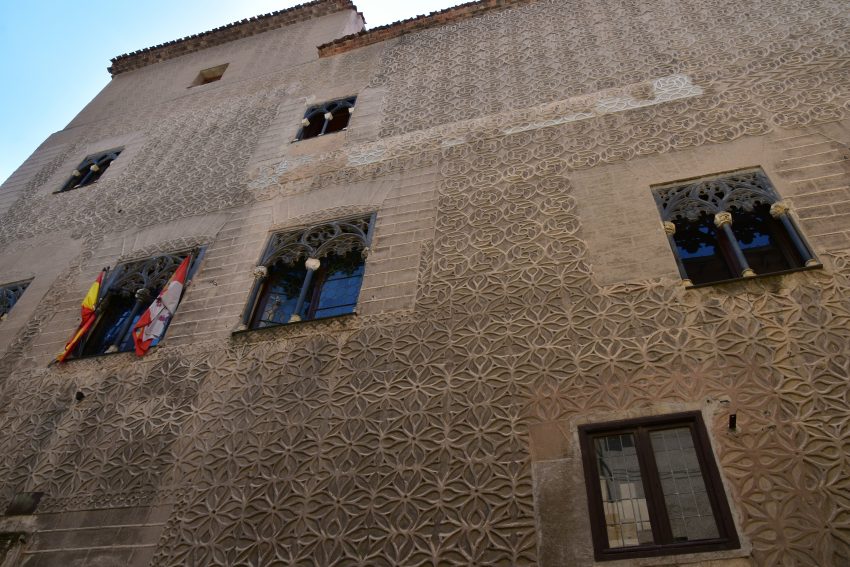
Tucked into Valencia's atmospheric Ciutat Vella, the Palace of the Alpuente Counts (Palacio de los Condes de Alpuente) is one of those buildings you can easily walk past unless you know what you're looking for: a striking Baroque façade in exposed brick, set among the noble residences of Calle Caballeros.
It's best experienced as an exterior stop on a self-guided stroll or a guided walking tour through El Carmen, pairing it with nearby landmarks like Plaza de la Virgen and the Church of San Nicolás. Even without going inside, the palace adds a memorable “old Valencia” moment to any route through the historic center.
Table of Contents
- History and Significance of the Palace of the Alpuente Counts
- Things to See and Do in the Palace of the Alpuente Counts
- How to Get to the Palace of the Alpuente Counts
- Practical Tips on Visiting the Palace of the Alpuente Counts
- Where to Stay Close to the Palace of the Alpuente Counts
- Is the Palace of the Alpuente Counts Worth Visiting?
- For Different Travelers
- FAQs for Visiting Palace of the Alpuente Counts
- Nearby Attractions to the Palace of the Alpuente Counts
History and Significance of the Palace of the Alpuente Counts
The palace sits on Calle Caballeros, one of Valencia’s most historically important streets, long associated with aristocratic residences and civic power in the medieval and early modern city. The building’s origins are linked to an earlier Gothic structure, later transformed into the Baroque look that catches the eye today.
In the early 18th century, the property is associated with the Hollier family, who are often credited with shaping the palace’s Baroque character. The name “Counts of Alpuente” comes later, tied to the marriage that connected the building to the noble title and gave the palace its enduring identity.
Like many grand urban houses, the palace's story also reflects changing city life: noble ownership, shifting uses, and later adaptations. That layered history is part of what makes it interesting on a walking route through the old quarter, where palaces often hide centuries of reinvention behind a single façade.
Things to See and Do in the Palace of the Alpuente Counts
Start outside. The palace is known for its exposed brick façade and a rhythm of balconies that feels distinct even on a street full of historic buildings. Look for decorative details around the openings and the overall symmetry that gives it a formal, almost theatrical presence.
If the entrance area is accessible (it may not be, as the building is not primarily a visitor attraction), pay attention to the classic Valencian palace layout: a passage leading inward toward a central patio and the main staircase. Even a quick peek can help you imagine how these residences functioned as both homes and status symbols.
The best “activity” here is contextual: use the palace as a waypoint while exploring Calle Caballeros. Combine it with nearby architectural contrasts—Gothic, Baroque, and later renovations—so you leave with a clearer sense of how Valencia’s old city evolved street by street.
How to Get to the Palace of the Alpuente Counts
Valencia Airport (VLC) is the closest airport for most travelers, with Alicante–Elche Airport (ALC) and Castellón–Costa Azahar Airport (CDT) as alternatives depending on flight options. For the best deals and a seamless booking experience, check out these flights to Valencia on Booking.com.
Valencia is well connected by rail; most visitors arrive via Estació del Nord (near the city center) or Joaquín Sorolla (high-speed services), then continue by metro, bus, taxi, or on foot into Ciutat Vella. Train schedules and bookings can be found on Omio.
If you’re driving, aim for a public parking garage outside the tightest Old Town streets and walk the last stretch, since central Ciutat Vella has restricted access and narrow lanes. If you are looking to rent a car in Spain I recommend having a look at Discover Cars, first, as they compare prices and review multiple car rental agencies for you.
Practical Tips on Visiting the Palace of the Alpuente Counts
- Entrance fee: Check official website.
- Opening hours: Check official website.
- Best time to visit: Go in the morning for softer light on the façade and a calmer walk through El Carmen before lunch crowds build.
- How long to spend: Plan 10–20 minutes as a photo-and-context stop, or 45–90 minutes if you're doing a full Calle Caballeros and Plaza de la Virgen walking loop.
- Accessibility: Streets nearby are generally walkable, but expect uneven paving and occasional curb changes typical of the historic center.
- Facilities: There are no dedicated visitor facilities on-site; rely on nearby cafés, public restrooms in major attractions, and services around Plaza de la Virgen.
Where to Stay Close to the Palace of the Alpuente Counts
Stay in central Ciutat Vella if you want to explore Valencia’s historic core on foot and dip in and out of plazas, churches, and tapas spots without relying on transport.
Caro Hotel A design-forward luxury option set in a historic building, ideal if you want a special stay that matches the Old Town’s architectural vibe.
MYR Palacio Vallier A polished boutique hotel near key civic landmarks, great for travelers who want refined comfort steps from the most walkable sights.
Hotel San Lorenzo Boutique A smaller, well-located choice that keeps you close to El Carmen’s lanes while staying slightly removed from the noisiest nightlife pockets.
Vincci Mercat A dependable mid-range pick near Mercat Central, perfect if you want easy breakfasts, market browsing, and quick walks into Ciutat Vella.
Only YOU Hotel Valencia A stylish, full-service base on the edge of the Old Town, handy if you want a more “city hotel” feel with fast access to shopping and transport.
Is the Palace of the Alpuente Counts Worth Visiting?
Yes—if you enjoy architecture, urban history, and the pleasure of noticing details that many visitors miss. As a quick stop on Calle Caballeros, it adds depth to a Ciutat Vella walk and helps you read the street as a former corridor of power and prestige.
Honest Pivot: if you’re looking for a ticketed interior visit, museum-style interpretation, or a big “must-see” monument experience, you may find this underwhelming because it’s best appreciated from the outside and may not be open to the public.
What Other Travellers Say...


For Different Travelers
Different travel styles get different value here: for some it’s a quick photo stop, for others it’s a key piece in understanding Valencia’s noble streetscape. Treat it as a flexible waypoint you can expand or shrink depending on your day.
Families with Kids
Kids may enjoy it most as part of a “spot the balconies and masks” game while walking Calle Caballeros. Keep the pace light and pair the stop with a nearby square where they can move around.
Because it’s not a hands-on attraction, it works best as a short exterior look rather than a long linger. Combine it with a nearby churros or horchata break to keep everyone happy.
Couples & Romantic Getaways
For couples, the palace is a great excuse to slow down and wander El Carmen’s lanes with no strict schedule. The surrounding streets are especially atmospheric in the early evening when the Old Town starts to glow.
Make it part of a simple itinerary: palace façade, a peek toward San Nicolás, then a relaxed dinner nearby. It’s more about mood and place than checking off an attraction list.
Budget Travelers
This is an easy win for budget travelers because it's a strong “Valencia moment” that doesn't require tickets. You can build a full, low-cost day around Ciutat Vella by walking between façades, plazas, and markets.
Spend your money where it counts: a great menu del día, a museum you truly care about, or a guided walking tour that adds stories to buildings like this.
History Buffs
History lovers will appreciate how the palace hints at older layers—Gothic origins, Baroque transformation, and later urban reuse. It’s a good prompt to think about how noble titles, marriage alliances, and property shaped the city.
To deepen the experience, connect it with other palaces on Calle Caballeros and compare façades, portals, and street layouts. Valencia’s Old Town rewards this kind of close-looking approach.
FAQs for Visiting Palace of the Alpuente Counts
Getting There
Tickets & Entry
Visiting Experience
Tours, Context & Itineraries
Photography
Accessibility & Facilities
Food & Breaks Nearby
Safety & Timing
Nearby Attractions to the Palace of the Alpuente Counts
- Church of San Nicolás: A richly decorated church often called the “Valencian Sistine Chapel,” just steps away.
- Plaza de la Virgen: One of Valencia's most iconic squares, ideal for people-watching and landmark-hopping.
- Valencia Cathedral: A major historic cathedral complex with multiple architectural layers and a central Old Town location.
- La Lonja de la Seda: A UNESCO-listed Gothic masterpiece and one of the city's essential historic buildings.
- Mercat Central: A vibrant modernist market hall that's perfect for snacks, produce browsing, and local food souvenirs.
The Palace of the Alpuente Counts appears in our Complete Guide to Visiting Valencia!

Moira & Andy
Hey! We're Moira & Andy. From hiking the Camino to trips around Europe in Bert our campervan — we've been traveling together since retirement in 2020!
This website uses affiliate links which may earn a commission at no additional cost to you!
Planning Your Visit
Check official website.
Check official website.
Nearby Attractions
- Iglesia de San Nicolas de Bari (0.1) km
Church, Historic Building and Religious Building - Lonja de la Seda (0.3) km
Attraction, Historic Building and Historic Site - Iglesia de los Santos Juanes (0.3) km
Church, Historic Building and Religious Building - Pineda Palace (0.3) km
Historic Building, Historic Site and Palace - Mercado Central (0.3) km
Historic Building and Market - Iglesia del Carmen (0.3) km
Church and Religious Building - El Miguelete (0.3) km
Attraction, Cathedral and Tower - Plaza de la Virgen (0.3) km
Area, Attraction and Square - La Catedral (0.3) km
Cathedral, Historic Building and Tower - Basilica de la Virgen de los Desamparados (0.3) km
Basilica, Church and Religious Building