Orto Botanico di Cagliari
Attraction, Gardens and Park in Cagliari
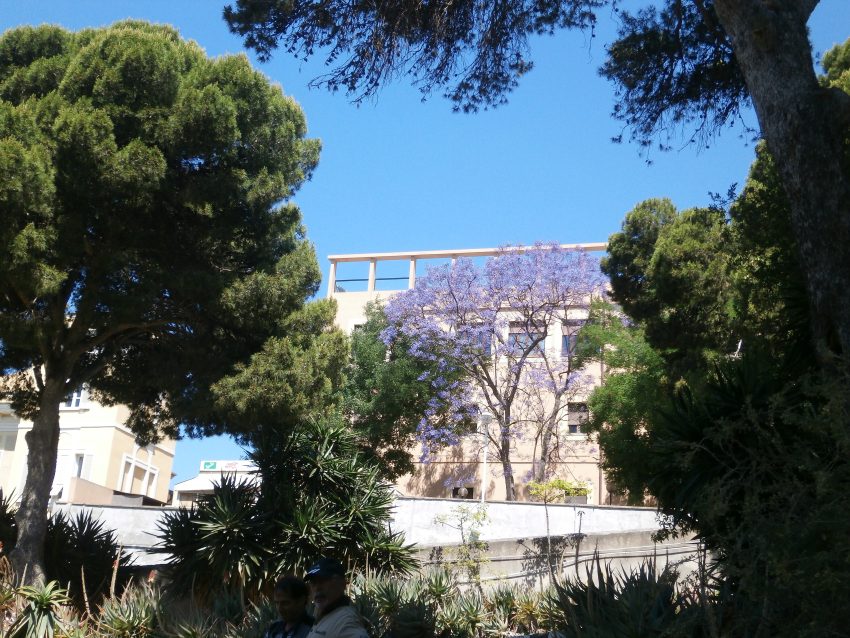
Orto Botanico di Cagliari is a leafy, university-run botanical garden tucked into the historic Stampace area of Cagliari, offering a calm escape from the city's heat and bustle. Spread across terraced paths and pockets of shade, it's an easy, rewarding stop for plant lovers and anyone who wants a slower-paced hour between sightseeing highlights.
It also fits beautifully into a walking tour of central Cagliari: pair it with nearby Roman-era sites and the old-town viewpoints, then come here to cool down among palms, succulents, and Mediterranean flora. If you're choosing the best places to see in the city beyond the usual panoramas, this garden is one of the most pleasant “reset” stops you can make.
Table of Contents
- History and Significance of the Orto Botanico di Cagliari
- Things to See and Do in the Orto Botanico di Cagliari
- How to Get to the Orto Botanico di Cagliari
- Practical Tips on Visiting the Orto Botanico di Cagliari
- Where to Stay Close to the Orto Botanico di Cagliari
- Is the Orto Botanico di Cagliari Worth Visiting?
- For Different Travelers
- FAQs for Visiting Orto Botanico di Cagliari
- Nearby Attractions to the Orto Botanico di Cagliari
History and Significance of the Orto Botanico di Cagliari
The Orto Botanico di Cagliari was inaugurated in 1866 and is closely tied to the University of Cagliari, which still manages it today. While it's a relaxing visitor attraction, it's also a working scientific space: a place for research, conservation, and education that helps document and protect plant diversity.
One of the garden’s most distinctive features is its setting. The grounds sit in an area with archaeological layers, so your walk isn’t only about botany: you’ll also notice traces of Roman-era infrastructure integrated into the landscape, giving the visit an unexpected “history meets nature” feel.
Over time, the garden has grown into a compact showcase of Mediterranean habitats alongside collections that introduce plants from other climate zones. That mix makes it especially interesting in Sardinia, where many travelers come for beaches and views, but leave remembering the island's plant life just as vividly.
Things to See and Do in the Orto Botanico di Cagliari
Start by wandering the Mediterranean sections, where you’ll get a sense of Sardinia’s native vegetation and the broader Mediterranean palette. The planting style feels natural and immersive, and the shade from mature trees can be a real relief on warm days.
Don’t miss the succulent and cactus areas, which are often the biggest crowd-pleasers thanks to their variety of shapes and sizes. Many visitors also enjoy the quieter corners with benches, where you can sit, listen to the city fade out, and watch butterflies moving through the greenery.
As you explore, keep an eye out for the garden’s archaeological elements, which add texture to the visit and make it more than “just a park.” If you like photography, the contrast between stonework, terraces, and bold plant forms can be especially striking in late-afternoon light.
How to Get to the Orto Botanico di Cagliari
The nearest airport is Cagliari Elmas Airport (CAG), which is the main gateway for flights to southern Sardinia. For the best deals and a seamless booking experience, check out these flights to Cagliari on Booking.com.
From the airport, you can reach central Cagliari by train, then continue on foot or by local transit toward the Stampace area and Viale Sant'Ignazio da Laconi. Use Omnio to easily compare schedules, book train tickets, and find the best prices all in one place for a hassle-free journey across Italy.
If you’re traveling by car, aim for parking outside the tight historic-center streets and walk the last stretch to the entrance to avoid ZTL restrictions and limited spaces. If you are looking to rent a car in Italy I recommend having a look at Discover Cars, first, as they compare prices and review multiple car rental agencies for you.
Practical Tips on Visiting the Orto Botanico di Cagliari
- Official website: https://www.unica.it/it/societa-e-territorio/orto-botanico
- Entrance fee: Adults: €6; Reduced: €4; Under 6: free.
- Opening hours: (Summer) April 1 – October 31; Tuesday – Sunday: 09:00–18:00. Closed on Monday. (Winter) November 1 – March 31; Tuesday – Sunday: 09:00–16:00. Closed on Monday.
- Best time to visit: Go in the morning for cooler temperatures and softer light, or late afternoon if you want a more atmospheric stroll. In peak summer, the shade makes it a smart midday break.
- How long to spend: Plan 60–90 minutes for a relaxed loop with stops, or 2 hours if you like reading labels and lingering in different sections.
- Accessibility: Paths include slopes and uneven sections typical of terraced gardens, so expect some gradients. If you have mobility needs, it’s worth checking at the entrance which routes are easiest on the day.
- Facilities: Expect a ticketed entrance and a reception area; benches and shaded rest spots are part of the experience. Toilets exist, but some visitors report they can be a bit hard to locate, so ask staff when you arrive.
Where to Stay Close to the Orto Botanico di Cagliari
Base yourself in central Cagliari (Stampace/Marina/Castello) for the easiest walking access to sights, restaurants, and transit.
Hotel Regina Margherita A reliable, central pick near the waterfront promenade, great if you want an easy walk to dining in Marina and quick access to taxis and buses.
T Hotel A modern, comfort-forward option with a more upscale feel, ideal if you want strong amenities and a polished base after long sightseeing days.
UNAHOTELS T Hotel Cagliari Included for travelers who prioritize contemporary rooms and a business-class standard while still being close enough to reach the center quickly.
Hotel Flora A classic central stay that works well for a short break: you’re close to restaurants, and it’s convenient for walking between neighborhoods.
Palazzo Doglio A splurge-worthy choice with a stylish setting and an “urban retreat” vibe, perfect if you want your hotel to feel like part of the trip.
Is the Orto Botanico di Cagliari Worth Visiting?
Yes, it’s worth visiting if you want a peaceful, low-stress attraction that balances nature, shade, and a bit of local history in one place. It’s especially satisfying in warm weather, when the garden feels like a green refuge and you can slow your pace without leaving the city.
Honest Pivot: If you’re short on time and only want big-ticket panoramas, beaches, or museums, you might skip it and focus on Castello viewpoints or coastal stops instead. It’s also less compelling if you’re not interested in plants and you’re visiting on a cool, rainy day when the “oasis” factor matters less.
What Other Travellers Say...

Google reviewers rate the Orto Botanico di Cagliari very positively overall, often describing it as a relaxing highlight and a welcome green oasis in the middle of the city. Common praise focuses on the variety of plants (especially cacti/succulents), the peaceful shaded paths with places to sit, and the fact that it's easy to enjoy in under two hours. A few visitors mention minor practical hiccups such as difficulty finding restrooms or wanting clearer on-site wayfinding, but most feel the entry price is good value.


For Different Travelers
The Orto Botanico di Cagliari is flexible: it can be a quick stroll between landmarks or a longer, restorative pause in the middle of a busy itinerary. How much you'll love it depends on whether you enjoy slow travel moments and small details.
Families with Kids
Kids often enjoy the variety of shapes and textures in the succulent and cactus collections, plus the simple fun of spotting butterflies and fish. It’s also a good place to let children decompress after more “don’t-touch” attractions.
Plan for a shorter loop and build in bench breaks, especially in warmer months. The garden is more enjoyable when you treat it as a relaxed wander rather than a checklist.
Couples & Romantic Getaways
For couples, this is a gentle, intimate stop: shaded paths, quiet corners, and plenty of spots to pause for photos. It’s a nice contrast to the busier streets and viewpoints.
Combine it with a slow lunch nearby and a sunset walk elsewhere in the center. The garden works best as part of a day built around strolling rather than rushing.
Budget Travelers
With a modest entry price, it’s a strong value if you want a solid hour or two of sightseeing without committing to a big-ticket experience. It’s also a good “in-between” attraction when you’re exploring on foot.
Bring water and treat it like a restorative break that helps you keep walking the city longer. If you’re traveling in peak heat, the shade can feel like a budget-friendly upgrade.
FAQs for Visiting Orto Botanico di Cagliari
Getting There
Tickets & Entry
Visiting Experience
Tours, Context & Itineraries
Photography
Accessibility & Facilities
Food & Breaks Nearby
Safety & Timing
Nearby Attractions to the Orto Botanico di Cagliari
- Roman Amphitheatre of Cagliari: A dramatic ancient site carved into rock, close enough to combine with the garden in one walk.
- Castello district: The city’s historic hilltop quarter with viewpoints, narrow lanes, and landmark churches.
- Bastione di Saint Remy: A signature terrace and promenade for panoramic photos over Cagliari.
- Museo Archeologico Nazionale di Cagliari: A strong museum stop for understanding Sardinia's deep history beyond the beaches.
- Marina district: A lively area for food and evening strolls, ideal for pairing with a garden visit.
The Orto Botanico di Cagliari appears in our Complete Guide to Visiting Cagliari!

Moira & Andy
Hey! We're Moira & Andy. From hiking the Camino to trips around Europe in Bert our campervan — we've been traveling together since retirement in 2020!
This website uses affiliate links which may earn a commission at no additional cost to you!
Planning Your Visit
(Summer) April 1 - October 31; Tuesday - Sunday: 09:00-18:00. Closed on Monday.
(Winter) November 1 - March 31; Tuesday - Sunday: 09:00-16:00. Closed on Monday.
Adults: €6; Reduced: €4; Under 6: free.
Nearby Attractions
- Chiesa di San Michele (0.3) km
Attraction, Church and Religious Building - Torre dello Sperone (0.3) km
City Walls, Historic Site and Tower - Cripta di Santa Restituta (0.3) km
Attraction, Cave and Historic Site - Roman Amphitheatre of Cagliari (0.4) km
Amphitheatre, Historic Site and Roman Site - Nuragica Mostra Experience (0.5) km
Attraction and Museum - Torre dell'Elefante (0.5) km
Historic Site, Monument and Tower - Cittadella dei Musei (0.6) km
Gallery, Museum and Viewing Point - Cagliari Archaeological Museum (0.6) km
Attraction and Museum - Torre di San Pancrazio (0.6) km
Historic Site, Monument and Tower - Palazzo Regio (0.6) km
Historic Building, Historic Site and Palace