Newcastle Castle, Newcastle upon Tyne
Castle in Newcastle upon Tyne
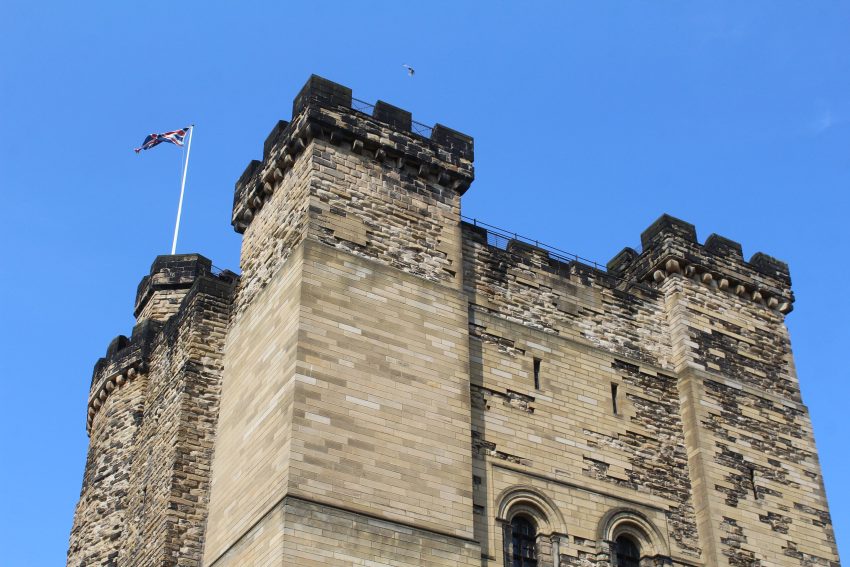
Perched above the River Tyne in the heart of Newcastle upon Tyne, Newcastle Castle is where the city quite literally got its name. Today the stone Castle Keep and the Black Gate are all that remain of a much larger medieval complex, but they still feel powerful and surprisingly evocative, making this one of the top sights in Newcastle upon Tyne for anyone who loves castles, history and big city views.
Step inside and you are quickly drawn into a world of spiral staircases, dim chambers and thick stone walls, then rewarded with sweeping panoramas from the rooftop across the bridges, Quayside and modern skyline. The castle sits right on the edge of the historic centre, so you can easily fold it into a day of exploring the city; it is a highlight of any walking tour of Newcastle upon Tyne, especially if you enjoy pairing old stonework with lively streets and riverside walks just a few minutes away.
Table of Contents
- History and Significance of the Newcastle Castle
- Things to See and Do in the Newcastle Castle
- How to Get to the Newcastle Castle
- Practical Tips on Visiting the Newcastle Castle
- Where to Stay close to the Newcastle Castle
- Is the Newcastle Castle Worth Visiting?
- FAQs for Visiting Newcastle Castle
- Nearby Attractions to the Newcastle Castle
History and Significance of the Newcastle Castle
Long before the current stone walls went up, this rocky bluff above the Tyne was already a strategic place to control movement along the river. Archaeologists believe there may have been an Iron Age fort here, followed by a more substantial Roman presence. The first confirmed fortification was a small Roman fort built around AD 120 to guard the bridge over the Tyne, known as Pons Aelius, which briefly marked the eastern end of Hadrian's Wall before the frontier was pushed further east to Wallsend.
After the Romans, centuries passed before the Normans arrived and reshaped the site in 1080. Robert Curthose, son of William the Conqueror, built a motte-and-bailey castle in one corner of the old Roman fort, creating the “new castle” that would lend its name to the growing settlement. In the 12th century, Henry II replaced this with the stone Castle Keep you see today, constructed between 1172 and 1177, while Henry III later added the formidable Black Gate between 1247 and 1250 to strengthen the approach to the fortress.
By the fourteenth century, Newcastle’s town walls enclosed the castle within a wider defensive circuit, and the fortress became a key stronghold in the turbulent medieval wars between England and Scotland. It last saw serious military action during the English Civil War and the Siege of Newcastle in 1644. Over time, much of the wider castle complex disappeared under later development and railway cuttings, leaving the Keep and Black Gate as the principal survivors and powerful reminders of the city’s origins and its strategic importance on the Tyne.
Things to See and Do in the Newcastle Castle
The core experience at Newcastle Castle is exploring the Castle Keep itself. As you climb the narrow staircases and walk through vaulted rooms, you can imagine garrisons, prisoners and medieval officials inhabiting the same spaces centuries ago. Interpretation panels help to bring the stories to life, picking out details you might miss on your own and explaining how different rooms were used, from great halls to more functional chambers. The route to the roof is steep but rewarding, with one of the most commanding viewpoints over the city and the Tyne bridges.
Across the railway cutting, the Black Gate offers a different atmosphere. This fortified gatehouse once controlled access into the castle precincts and now houses displays on the history of the site and the wider city, along with models and artefacts that show how the complex once looked before large sections were lost. Walking between the Keep and the Black Gate, you get a strong sense of how the castle once dominated the skyline and how later developments sliced through its defences.
Depending on when you visit, you may catch special events such as costumed re-enactments, themed tours, family trails or seasonal activities that bring additional colour to the experience. Even on a quiet day, simply taking your time to trace arrow slits, carved details and mason’s marks can be very satisfying. If you enjoy photography, the interplay between castle walls, modern city architecture and the Tyne below offers endless opportunities for atmospheric shots, especially in changeable North East weather.
How to Get to the Newcastle Castle
Most visitors from further afield arrive via Newcastle International Airport, a compact but well-connected airport a short journey from the city centre with frequent flights from other parts of the UK and Europe. For the best deals and a seamless booking experience, check out these flights to Newcastle upon Tyne on Booking.com. From the terminal you can either take a taxi straight into town or follow signs to the Metro station just outside, which makes getting into the centre quick and straightforward.
If you prefer rail, Newcastle Central Station is a major stop on the East Coast Main Line, with direct trains from London, Edinburgh and many other UK cities, and from the station it is roughly a 10-minute walk up to the castle or a short hop by local bus or Metro if you are carrying luggage.Train schedules and bookings can be found on Omio. Long-distance coaches and regional buses generally arrive at Newcastle Coach Station or city-centre bus stations, from which you can either walk, take a local bus or connect via Central Station.
Travelling by car is possible but less convenient in the compact city centre: major routes like the A1 and A19 bring you towards Newcastle, then you follow signs for the centre and Quayside, using one of the nearby multi-storey car parks before continuing on foot to the castle. Once parked, distances are short and you can comfortably combine the castle with the Quayside, Grey Street and other central sights on foot.
Practical Tips on Visiting the Newcastle Castle
- Suggested tips: Arrive early in the day or later in the afternoon to dodge school groups and coach parties, and wear sturdy footwear for steep, sometimes uneven steps.
- Best time to visit: Spring and early autumn offer the most pleasant balance of daylight, views and manageable visitor numbers, though crisp winter days can be wonderfully atmospheric.
- Entrance fee: Adult: £12.50
- Opening hours: Summer: (April - October) Daily from 10:00 to 17:00 Winter: (November - March) Closed Tuesday & Wednesday 10am - 5pm
- Official website: https://www.newcastlecastle.co.uk/
- How long to spend: Allow at least 1-2 hours to explore both the Keep and the Black Gate at a relaxed pace, plus extra time if you like to read every panel or take lots of photos.
- Accessibility: Be aware that the historic nature of the building means many steep, narrow stairs and limited lift access; some areas may not be suitable for visitors with mobility issues, so check the access information before you go.
- Facilities: Expect toilets, a small reception and shop area, and staff who can answer questions; for cafés and restaurants, you are better heading down to the Quayside or into the nearby streets of the city centre.
- Photography tip: Head up to the rooftop late in the day for low, golden light on the Tyne bridges and Quayside, and look for ways to frame the modern city through arrow slits and battlements.
- Guided tours: If guided tours are running during your visit, they are well worth joining for extra stories about sieges, prisoners and everyday life that you might otherwise miss. )
- Nearby food options: You are only a few minutes' walk from pubs, cafés and restaurants around the Quayside and central streets, so it is easy to pair your visit with a relaxed brunch, lunch or evening meal afterwards.
Where to Stay close to the Newcastle Castle
If you want to be almost on top of the site, The Vermont Hotel sits right beside Newcastle Castle and offers classic, comfortable rooms with river and city views, making it a great choice if you like to stroll back to your hotel in just a couple of minutes after sunset photos from the rooftop. A good-value option nearby is Travelodge Newcastle Central, which places you between the castle and the Quayside with straightforward rooms, on-site dining and easy access to nightlife and river walks. For more space and an apartment-style setup, Roomzzz Newcastle City is a short walk away and works particularly well if you are staying a few nights and want kitchen facilities while still being close to the main sights.
Is the Newcastle Castle Worth Visiting?
If you are at all interested in how Newcastle came to be the city it is today, then Newcastle Castle is absolutely worth your time. The combination of intact medieval architecture, atmospheric interiors and big views over the bridges and rooftops gives you a real sense of place that you simply do not get from the street below. It is compact enough to fit into a half-day itinerary, but rich enough in stories and viewpoints that you may find yourself lingering longer than expected, especially if you pair it with a wander down to the river afterwards.
What Other Travellers Say...

Newcastle Castle on Castle Garth is a compact stone fortress and former prison offering well-preserved medieval rooms, narrow passages and spiral staircases to explore, plus informative exhibits and interactive displays in the Black Gate; visitors praise helpful staff, family-friendly activities, and a ticket that can include repeat entry, while warning of many uneven or steep steps that make some areas unsuitable for limited mobility — climb to the roof for a 360° panorama over the city, river and nearby landmarks.


FAQs for Visiting Newcastle Castle
Nearby Attractions to the Newcastle Castle
- Newcastle Quayside: Stroll along the riverfront promenade lined with bars, cafés and views of the Tyne bridges, including the iconic tilting Millennium Bridge.
- St Nicholas Cathedral: Visit the city's historic cathedral, with its distinctive lantern spire and peaceful interior just a short walk from the castle.
- Grey Street and Grainger Town: Wander this elegant 19th-century streetscape, often cited as one of the most handsome in the UK, packed with shops, cafés and theatres.
- BALTIC Centre for Contemporary Art: Cross the river to this major contemporary art gallery in a converted flour mill on the Gateshead side of the Tyne.
- Tyne Bridge and Swing Bridge: Take time to walk over or photograph these classic river crossings, which help frame some of the most recognisable views of Newcastle and its waterfront.
The Newcastle Castle appears in our Complete Guide to Visiting Newcastle upon Tyne!

Moira & Andy
Hey! We're Moira & Andy. From hiking the Camino to trips around Europe in Bert our campervan — we've been traveling together since retirement in 2020!
This website uses affiliate links which may earn a commission at no additional cost to you!
Planning Your Visit
Summer: (April – October) Daily from 10:00 to 17:00
Winter: (November – March) Closed Tuesday & Wednesday 10am – 5pm
Adult: £12.50
Nearby Attractions
- Pons Aelius (0.0) km
Roman Site - Bessie Surtees House (0.1) km
Historic Building - The Quayside (0.1) km
Area - St Nicholas Cathedral (0.2) km
Cathedral - Literary and Philosophical Society of Newcastle upon Tyne (0.2) km
Historic Building - The Tyne Bridges (0.3) km
Bridge - Theatre Royal (0.4) km
Theatre - Edwardian Central Arcade (0.5) km
Historic Site - Grainger Market (0.5) km
Market - Sage Gateshead (0.5) km
Arts Venue