Museum of the History of Catalonia, Barcelona
Attraction and Museum in Barcelona
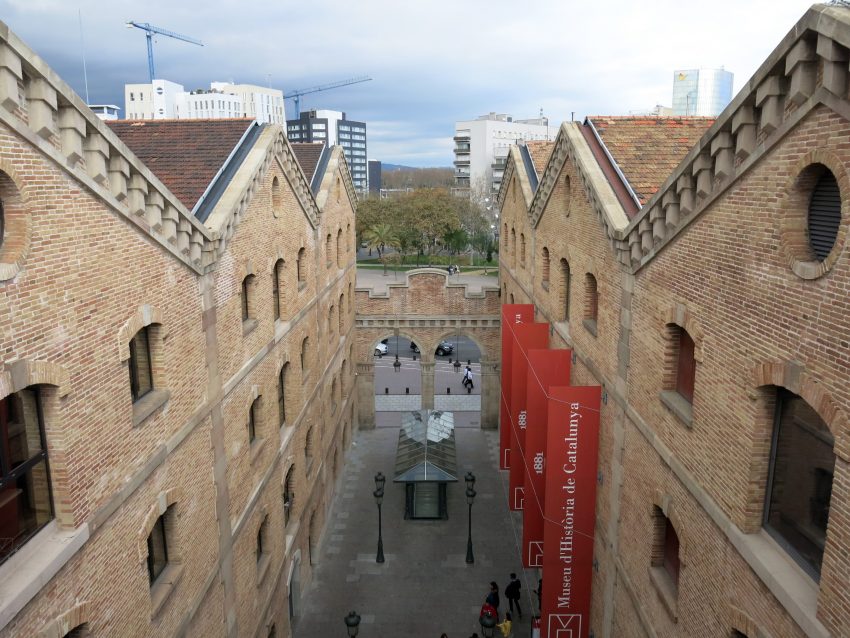
Set inside a former port warehouse at Plaça de Pau Vila, the Museum of the History of Catalonia (Museu d'Història de Catalunya) is one of Barcelona's best places to understand the region beyond Gaudí and the beach. Its permanent galleries walk you through Catalonia's story from early settlements to modern political and cultural life, with a strong emphasis on everyday people, work, and social change.
Because it sits right by Port Vell and the Barceloneta edge of the old city, it's easy to weave into a waterfront stroll or a walking tour that links El Born, the Gothic Quarter, and the marina. It's also a smart “context stop” early in a Barcelona trip: spend a couple of hours here, then you'll recognize references to Catalan identity, language, and history all over the city.
Table of Contents
- History and Significance of the Museum of the History of Catalonia
- Things to See and Do in the Museum of the History of Catalonia
- How to Get to the Museum of the History of Catalonia
- Practical Tips on Visiting the Museum of the History of Catalonia
- Where to Stay Close to the Museum of the History of Catalonia
- Is the Museum of the History of Catalonia Worth Visiting?
- For Different Travelers
- FAQs for Visiting Museum of the History of Catalonia
- Nearby Attractions to the Museum of the History of Catalonia
History and Significance of the Museum of the History of Catalonia
The Museum of the History of Catalonia was created to tell Catalonia's story in a clear, chronological way, connecting major political events with the lived experience of ordinary communities. Rather than focusing only on rulers and monuments, it highlights how trade, language, migration, industry, and civic movements shaped the region.
A big part of its significance is how it frames Catalonia as a Mediterranean crossroads. You'll see how the coastline, ports, and commercial networks influenced everything from medieval power to modern industrialization, and how Barcelona's growth tied closely to the wider region.
The museum's approach is especially helpful for first-time visitors: it gives you a timeline and vocabulary for what you'll encounter elsewhere in Barcelona, from neighborhood festivals to memorial sites and public symbols.
Things to See and Do in the Museum of the History of Catalonia
Start with the permanent exhibition, which is designed as a step-by-step journey through time. Expect a mix of artifacts, models, audiovisual displays, and interactive elements that make complex history easier to follow even if you’re not a specialist.
Look out for sections that explore daily life across different eras: how people worked, what they ate, how cities expanded, and how social classes changed. Many visitors find the modern history galleries particularly gripping because they connect directly to contemporary Catalan culture and politics.
If you have extra time, check what temporary exhibitions are on during your visit and consider pacing yourself: the museum rewards slow reading, but it's also perfectly enjoyable as a highlights tour if you're balancing it with the beach or El Born.
How to Get to the Museum of the History of Catalonia
Barcelona–El Prat Airport (BCN) is the main international gateway, and Girona–Costa Brava Airport (GRO) is a common low-cost alternative for some European routes. For the best deals and a seamless booking experience, check out these flights to Barcelona on Booking.com.
If you're arriving by rail, Barcelona Sants is the primary hub for high-speed and long-distance trains, and you can connect onward by Metro and bus to the Port Vell area. Train schedules and bookings can be found on Omio..
By car, driving into central Barcelona can be slow and parking is limited, so it's usually best to use paid garages near Port Vell and continue on foot. If you are looking to rent a car in Spain I recommend having a look at Discover Cars, first, as they compare prices and review multiple car rental agencies for you.
Practical Tips on Visiting the Museum of the History of Catalonia
- Official website: https://www.mhcat.cat/enmhc/
- Entrance fee: Permanent exhibition: Adults: €6; Reduced: €4. Temporary exhibitions: Adults: €4; Reduced: €3. Combined (permanent + 1 temporary): Adults: €8; Reduced: €6.
- Opening hours: Tuesday: 10:00–19:00. Wednesday: 10:00–20:00. Thursday: 10:00–19:00. Friday: 10:00–19:00. Saturday: 10:00–19:00. Sunday: 10:00–14:30. Closed on Monday.
- Best time to visit: Go mid-morning on a weekday for the calmest galleries, or late afternoon if you want a quieter, more reflective visit before dinner by the port.
- How long to spend: Plan 1.5–2 hours for a solid overview, or 2.5+ hours if you like reading every panel and lingering in the modern sections.
- Accessibility: The museum is generally visitor-friendly for step-free access, but allow a little extra time for elevators and longer gallery routes.
- Facilities: Expect essentials like restrooms and a shop, plus a convenient location for pairing your visit with cafés and waterfront breaks nearby.
Where to Stay Close to the Museum of the History of Catalonia
Base yourself in El Born or the Gothic Quarter for the best mix of walkability, dining, and easy access to the waterfront.
Serras Barcelona A polished boutique stay right by the marina edge, ideal if you want a short, scenic walk to the museum and a quieter luxury vibe.
Duquesa de Cardona Chosen for its classic Barcelona feel and strong location between the old city and Port Vell, making it easy to combine sightseeing days.
H10 Port Vell A practical, stylish pick very close to the museum—great if you want to maximize time on foot and keep transport simple.
K+K Hotel Picasso A comfortable El Born base near Parc de la Ciutadella, good for travelers who want museums, tapas, and a neighborhood atmosphere.
Hotel Rec Barcelona Included for value and a modern feel, with an easy walk to El Born sights and straightforward connections to the waterfront.
Is the Museum of the History of Catalonia Worth Visiting?
Yes—especially if you want Barcelona to make more sense. It's one of the most rewarding “context museums” in the city: clear, chronological, and engaging enough that even visitors starting from zero can leave with a strong grasp of Catalonia's identity and turning points.
Honest Pivot: If you’re museumed-out, traveling with a very tight schedule, or mainly chasing architecture and art icons, you might prefer to spend your limited indoor time on a single marquee museum (like Picasso) and keep this one as a rainy-day option.
What Other Travellers Say...

Reviews are strongly positive overall, with travelers praising the museum's clear chronological storytelling and how much context it provides for understanding Catalonia. Visitors commonly highlight the immersive, interactive feel, the breadth of themes covered (social, political, economic), and the good value for money. A frequent minor drawback is that it's information-dense and can take longer than expected if you read everything, so some people may find it a bit overwhelming on a tight schedule.


For Different Travelers
The museum works well as a flexible stop: you can do a quick highlights loop or a deep dive, and its waterfront location makes it easy to pair with a walk, a meal, or a harbor-side sunset.
Families with Kids
Families who like interactive exhibits will find plenty to keep attention moving, especially if you treat it as a story rather than a reading marathon. Breaking the visit into “chapters” (ancient, medieval, modern) helps kids stay engaged.
Pair it with a waterfront stroll afterward so children can reset their energy outside. The nearby open spaces around Port Vell are useful for a quick decompression after indoor galleries.
Couples & Romantic Getaways
For couples, this is a surprisingly good shared experience because it sparks conversation—history, identity, and how Barcelona became what it is today. It's also a calmer alternative to the city's busiest attractions.
Make it part of a port-side afternoon: museum first, then a slow walk through El Born or along the marina for drinks and dinner with views.
Budget Travelers
The museum is a strong value attraction, especially if you want a substantial, weather-proof activity that doesn’t take your whole day. You can get a lot out of it without paying for add-ons or premium experiences.
Save more by planning a self-guided day around walkable neighborhoods nearby—Barceloneta, El Born, and the Gothic Quarter are all within easy reach on foot.
History Buffs
History lovers will appreciate the clear timeline and the way the museum connects political events to social and economic life. It’s the kind of place where reading the panels actually pays off.
If you're especially interested in modern Catalonia, give yourself extra time in the later galleries and consider visiting early so you can linger without rushing.
FAQs for Visiting Museum of the History of Catalonia
Getting There
Tickets & Entry
Visiting Experience
Tours, Context & Itineraries
Photography
Accessibility & Facilities
Food & Breaks Nearby
Safety & Timing
Nearby Attractions to the Museum of the History of Catalonia
- Port Vell: Barcelona's historic harbor area, perfect for a scenic stroll before or after the museum.
- Barceloneta Beach: The city's classic urban beach, an easy walk away for sun, sea, and people-watching.
- El Born: A lively, atmospheric neighborhood for tapas, boutiques, and medieval streets.
- Picasso Museum: A must for art lovers, showcasing key early works in a beautiful old-city setting.
- Basilica of Santa Maria del Mar: A stunning Gothic church in El Born with an elegant, serene interior.
The Museum of the History of Catalonia appears in our Complete Guide to Visiting Barcelona!

Moira & Andy
Hey! We're Moira & Andy. From hiking the Camino to trips around Europe in Bert our campervan — we've been traveling together since retirement in 2020!
This website uses affiliate links which may earn a commission at no additional cost to you!
Planning Your Visit
Tuesday: 10:00-19:00.
Wednesday: 10:00-20:00.
Thursday: 10:00-19:00.
Friday: 10:00-19:00.
Saturday: 10:00-19:00.
Sunday: 10:00-14:30.
Closed on Monday.
Permanent exhibition: Adults: €6; Reduced: €4. Temporary exhibitions: Adults: €4; Reduced: €3. Combined (permanent + 1 temporary): Adults: €8; Reduced: €6.
Nearby Attractions
- Església de Sant Miquel del Port (0.2) km
Church, Historic Building and Religious Building - Mercat de la Barcelona (0.3) km
Bazaar and Market - Pg. d'Isabel II, 4 (0.3) km
Area and Street - Casa Llotja de Mar (0.3) km
Arts Venue, Historic Building and Historic Site - Carrer de la Plata, 4 (0.4) km
Historic Site and Street - L’Aquàrium de Barcelona (0.4) km
Aquarium - Basílica de Santa Maria del Mar (0.5) km
Basilica, Church and Historic Building - La Fàbrica del Sol (0.5) km
Attraction, Historic Building and Visitor Centre - Ciutadella Park (0.5) km
Park - El Born Centre de Cultura i Memòria (0.6) km
Ruins