Museum of the Galician People, Santiago de Compostela
Historic Building, Historic Site and Museum in Santiago de Compostela
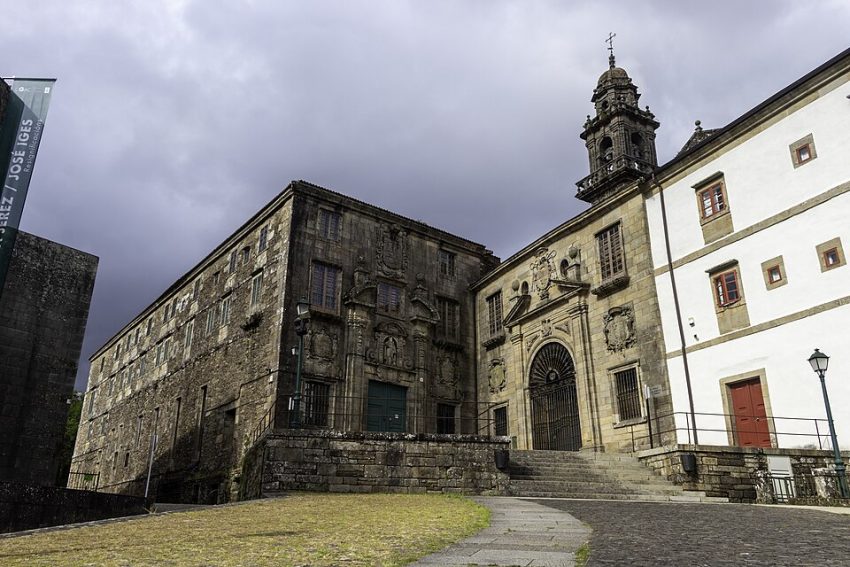
The Museum of the Galician People (Museo do Pobo Galego) is one of the best places in Santiago de Compostela to understand Galicia beyond the cathedral: its everyday life, traditions, and identity. It's housed in the former Convent of San Domingos de Bonaval, a monumental complex just outside the Old Town's busiest lanes.
If you're doing a walking tour of Santiago, this is an easy add-on: pair it with a stroll through the Bonaval area and nearby viewpoints, then step inside for a calm, content-rich break from the pilgrimage crowds. Don't miss the building itself, especially the famous triple-helix staircase that many visitors call the highlight.
Table of Contents
- History and Significance of the Museum of the Galician People
- Things to See and Do in the Museum of the Galician People
- How to Get to the Museum of the Galician People
- Practical Tips on Visiting the Museum of the Galician People
- Where to Stay Close to the Museum of the Galician People
- Is the Museum of the Galician People Worth Visiting?
- For Different Travelers
- FAQs for Visiting Museum of the Galician People
- Nearby Attractions to the Museum of the Galician People
History and Significance of the Museum of the Galician People
The Museum of the Galician People was created to research, conserve, and share Galician culture in a period when rapid social and economic change was transforming traditional ways of life. Rather than focusing only on “high art,” it treats culture as something lived: work, celebrations, tools, clothing, beliefs, and the relationship between people and landscape.
Its setting is part of the story. The museum occupies the former convent of San Domingos de Bonaval, a historic complex that gives the collections a strong sense of place and continuity. Walking through the galleries feels like moving through layers of Galician memory, from rural life and crafts to maritime traditions and community rituals.
Beyond exhibitions, the institution also supports research and documentation through its specialized library and archive, helping preserve material that might otherwise disappear. For travelers, that translates into a museum that feels rooted and specific to Galicia, not a generic regional showcase.
Things to See and Do in the Museum of the Galician People
Start with the architecture: the triple-helix staircase is the museum’s most photographed feature and worth seeking out early, before you’ve filled your camera roll elsewhere in Santiago. The convent setting also creates atmospheric transitions between rooms, with stone corridors and changing light that make the visit feel immersive.
The permanent displays typically focus on traditional Galician life: crafts and trades, rural culture, and maritime themes that reflect Galicia’s coastline and fishing heritage. Expect a strong object-based approach, with artifacts that make daily life tangible rather than abstract.
If you’re short on time, prioritize the sections that match your interests (boats and fishing, traditional dress, music and instruments, or rural tools), then finish with any audiovisual or interpretive areas for broader context. If you like museums that reward slow looking, this one is easy to linger in.
How to Get to the Museum of the Galician People
The nearest airport is Santiago–Rosalía de Castro Airport (SCQ), with Porto (OPO) and A Coruña (LCG) as additional options depending on your route and flight prices. For the best deals and a seamless booking experience, check out these flights to Santiago de Compostela on Booking.com.
Santiago de Compostela is well connected by train, and arriving by rail is a convenient way to reach the city center without needing a car.Train schedules and bookings can be found on Omio.
If you’re driving, Santiago is straightforward to access via Galicia’s main highways, but parking in and around the Old Town can be limited, so consider using a public car park and walking the last stretch.If you are looking to rent a car in Spain I recommend having a look at Discover Cars, first, as they compare prices and review multiple car rental agencies for you.
Practical Tips on Visiting the Museum of the Galician People
- Official website: https://museodopobo.gal/en
- Entrance fee: Standard admission: €5; Discounted: €2; Under 18: free; Free entry on Sundays.
- Opening hours: Tuesday – Saturday: 11:00–18:00. Sunday: 11:00–14:00. Closed on Monday.
- Best time to visit: Go earlier in the day for a quieter experience and better light in the historic building. If you’re visiting in peak season, aim for a weekday to avoid the busiest hours.
- How long to spend: Plan 1.5–2 hours for a satisfying visit, or 45–60 minutes if you’re focusing on highlights like the staircase and a few key galleries.
- Accessibility: The museum is in a historic convent, so expect some architectural constraints; check ahead if you need step-free routes. Allow extra time if you’re moving slowly between levels.
- Facilities: Expect basic visitor services such as ticketing and restrooms; plan your meal before or after, as the Old Town has far more dining options than the immediate museum surroundings.
Where to Stay Close to the Museum of the Galician People
Base yourself in the Old Town (Cidade Vella) for the easiest walking access to the museum, the cathedral, and Santiago's classic evening atmosphere.
Parador de Santiago de Compostela (Hostal dos Reis Católicos) A once-in-a-lifetime splurge right on the city’s most iconic square, ideal if you want historic ambience and the simplest possible sightseeing logistics.
NH Collection Santiago de Compostela A polished, reliable option with a more modern feel, good for travelers who want comfort and calm while still being walkable to the center.
Hotel Costa Vella A charming, character-filled stay with a classic Santiago vibe, great for couples who want something intimate and atmospheric.
Hotel Virxe da Cerca A strong pick for a quieter edge-of-Old-Town location, with easy access to both the historic core and greener walking areas.
A Tafona do Peregrino A boutique-style option with a warm, personal feel, well suited to travelers who value design touches and a more local, small-hotel experience.
Is the Museum of the Galician People Worth Visiting?
Yes, especially if you want to understand Galicia as a living culture rather than just ticking off Santiago's headline monuments. The combination of a substantial ethnographic collection and the unforgettable triple-helix staircase makes it one of the most rewarding museums in the city.
Honest Pivot: if you’re only in Santiago for a very short stop and you’re prioritizing the cathedral complex, rooftop views, and food, you might skip this museum in favor of outdoor wandering. It’s also less ideal if you strongly prefer museums with extensive English interpretation throughout, since some visitors note uneven translation coverage.
What Other Travellers Say...

Google reviewers rate the museum very highly for its rich, wide-ranging look at Galician culture, with frequent praise for the unique triple-helix staircase and the depth of artifacts covering rural life, crafts, and maritime traditions. Visitors also like that it feels informative and authentic rather than touristy. The most common drawbacks mentioned are uneven English-language interpretation in some areas and a wish for more context on Galicia’s wider influence beyond the region.


For Different Travelers
The Museum of the Galician People works well as a “second-day” Santiago attraction: after the cathedral and main squares, it adds depth and context. It's also a good choice when you want a quieter indoor plan without losing the sense of place.
Families with Kids
Kids who like unusual buildings will enjoy the dramatic staircase and the sense of exploring a historic convent. The object displays can be engaging if you turn them into a scavenger hunt: boats, instruments, costumes, and tools.
For younger children, keep the visit shorter and focus on the most visual sections. Plan a nearby park or open-air break afterward to reset attention spans.
Couples & Romantic Getaways
Couples will appreciate the calmer pace compared with the cathedral area, plus the beautiful stone architecture and light-filled spaces. It’s a great rainy-day plan that still feels distinctly Santiago.
Pair the museum with a slow walk through the Bonaval area and then a relaxed meal back in the Old Town. It’s more about shared discovery than big “Instagram moments,” though the staircase delivers on that too.
Budget Travelers
This is a high-value visit for travelers watching costs, especially if you plan around free-admission times. You can get a lot of cultural context here without needing a guided tour.
If you're balancing paid attractions, use this museum to deepen your understanding of what you're seeing across Galicia: architecture, food traditions, and local identity. It can make the rest of your trip feel more meaningful.
History Buffs
History lovers will enjoy how the museum connects objects to social change, work, and community life rather than focusing only on political timelines. It's particularly strong for understanding how people lived in rural and coastal Galicia.
Take your time reading labels where available and look for the through-lines: migration, maritime life, and the evolution of crafts and tools. The building itself also adds a layer of historic continuity to the visit.
FAQs for Visiting Museum of the Galician People
Getting There
Tickets & Entry
Visiting Experience
Tours, Context & Itineraries
Photography
Accessibility & Facilities
Food & Breaks Nearby
Safety & Timing
Nearby Attractions to the Museum of the Galician People
- Parque de Bonaval: A peaceful green space with paths and views, ideal for a post-museum stroll.
- Convento de San Domingos de Bonaval: The historic complex connected to the museum, worth appreciating for its architecture.
- Panteón de Galegos Ilustres: A solemn, culturally significant site honoring notable Galician figures.
- Cathedral of Santiago de Compostela: The city's essential landmark and pilgrimage destination, a short walk away.
- Mercado de Abastos: Santiago's main market, great for local produce, seafood, and casual bites.
The Museum of the Galician People appears in our Complete Guide to Visiting Santiago de Compostela!

Moira & Andy
Hey! We're Moira & Andy. From hiking the Camino to trips around Europe in Bert our campervan — we've been traveling together since retirement in 2020!
This website uses affiliate links which may earn a commission at no additional cost to you!
Planning Your Visit
Tuesday - Saturday: 11:00-18:00.
Sunday: 11:00-14:00.
Closed on Monday.
Standard admission: €5; Discounted: €2; Under 18: free; Free entry on Sundays.
Nearby Attractions
- Parque de San Domingos de Bonaval (0.0) km
Gardens, Park and Viewing Point - Porta do Camiño (0.1) km
Attraction, Café and City Gate - Praza de Cervantes (0.3) km
Historic Site and Square - Mercado de Abastos (0.3) km
Attraction, Bazaar and Market - Museo Casa da Troia (0.4) km
Historic Building, Historic Site and Museum - Monasterio de San Paio de Antealtares (0.4) km
Church, Monastery and Museum - Mosteiro de San Martiño Pinario (0.4) km
Historic Building, Monastery and Museum - Praza da Quintana de Mortos (0.4) km
Attraction, Historic Site and Square - Praza da Inmaculada (0.4) km
Attraction, Historic Site and Square - Convento de San Francisco de Santiago (0.5) km
Church, Convent and Historic Building