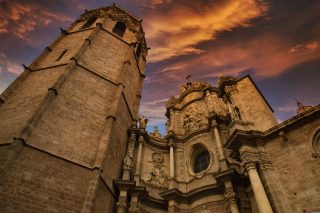
Museum of Prehistory and Culture, Valencia
Museum in Valencia

The Museum of Prehistory and Culture in Valencia is a compact, surprisingly engaging museum experience inside the La Beneficència cultural complex in the city's historic center. It's an easy add-on to a day of old-town wandering, especially if you want a break from the sun while still doing something distinctly Valencian.
Because it sits in Ciutat Vella, it also fits neatly into a walking tour route that links the Central Market area, the Turia-adjacent neighborhoods, and the small streets around El Carmen. If you're choosing “best places to see” in central Valencia, this museum works well as a high-value stop between bigger headline sights.
Table of Contents
- History and Significance of the Museum of Prehistory and Culture
- Things to See and Do in the Museum of Prehistory and Culture
- How to Get to the Museum of Prehistory and Culture
- Practical Tips on Visiting the Museum of Prehistory and Culture
- Where to Stay Close to the Museum of Prehistory and Culture
- Is the Museum of Prehistory and Culture Worth Visiting?
- For Different Travelers
- FAQs for Visiting Museum of Prehistory and Culture
- Nearby Attractions to the Museum of Prehistory and Culture
History and Significance of the Museum of Prehistory and Culture
Valencia’s prehistory and early history are richer than many visitors expect, shaped by Mediterranean trade routes, local Iberian cultures, and later Roman influence. This museum’s role is to make that long timeline legible through excavated objects, careful interpretation, and rotating exhibitions that spotlight specific digs or themes.
The museum is also significant because it’s not an isolated “cabinet of artifacts.” It’s part of a broader public heritage effort in the province, connecting what you see in the galleries to real archaeological sites and ongoing research. That context helps the displays feel grounded in place rather than generic.
Housed within the La Beneficència complex, the setting adds another layer: you’re exploring history inside a historic civic building in the heart of the old city. Even before you reach the galleries, the location makes the visit feel like a cultural stop rather than a quick rainy-day filler.
Things to See and Do in the Museum of Prehistory and Culture
Start with the core chronological galleries, which typically move from early human presence through later prehistoric periods and into Iberian and Roman-era material from Valencian lands. Look for objects that feel uniquely local: everyday tools, ceramics, and finds that map ancient life onto places you may pass on day trips.
If you’re visiting with kids (or you simply like hands-on learning), prioritize the more interactive elements and family-oriented interpretation. The museum tends to be approachable rather than overly academic, making it a good “first archaeology museum” for travelers who don’t want to read every label.
Finally, keep an eye out for temporary exhibitions and any scheduled guided visits or activities. If your timing aligns, these can add narrative and context that make the artifacts more memorable, especially if you’re building a broader itinerary around Valencia’s historic center.
How to Get to the Museum of Prehistory and Culture
Valencia Airport (VLC) is the closest airport for most travelers, with frequent connections to major European hubs and easy onward transport into the city. For the best deals and a seamless booking experience, check out these flights to Valencia on Booking.com.
If you're arriving by rail, Valencia's main stations connect well to Madrid, Barcelona, and many regional destinations, making a train-first itinerary very realistic for Spain. Train schedules and bookings can be found on Omio.
Driving can work if you're coming from smaller towns or combining Valencia with countryside stops, but parking in the historic center is limited and often paid, so consider using a public garage and walking the last stretch. If you are looking to rent a car in Spain I recommend having a look at Discover Cars, first, as they compare prices and review multiple car rental agencies for you.
Practical Tips on Visiting the Museum of Prehistory and Culture
- Official website: https://mupreva.org/visitar_museo
- Entrance fee: Free.
- Opening hours: Tuesday – Sunday: 10:00–20:00. Closed on Monday. Closed: January 1, May 1, December 25. Special hours: December 24, December 31: 10:00–14:00.
- Best time to visit: Go on a weekday morning for the quietest galleries, or use it as a midday break when the old town is busiest and hottest.
- How long to spend: Plan 60–90 minutes for a satisfying visit, or up to 2 hours if you like reading labels and catching a temporary exhibit.
- Accessibility: The museum is set up to be step-free in key areas, with lifts/ramps available within the complex for most visitor routes.
- Facilities: Expect essentials like restrooms and a cloakroom/left-luggage style option; it’s also convenient to pair with nearby cafés in El Carmen.
Where to Stay Close to the Museum of Prehistory and Culture
Base yourself in Ciutat Vella (the historic center) for the easiest walkable access to the museum, major sights, and evening dining.
For a polished, design-forward stay that still feels rooted in the old city, pick a boutique option near the cathedral area so you can walk everywhere and return for breaks. Caro Hotel
If you want a classic, comfortable hotel with a strong location for sightseeing and transport links, choose a well-established property near the central old-town axis. Hotel SH Inglés Boutique
For travelers who like a modern, upscale base with a calm vibe and easy access to both the old town and shopping streets, this is a reliable pick. Only YOU Hotel Valencia
If you’re aiming for a stylish mid-range stay close to the Central Market and the walkable lanes of El Carmen, this option keeps you near the museum without paying peak “luxury old town” rates. Vincci Mercat
For a practical, good-value base that’s still central and convenient for walking to the museum and evening tapas, this is a smart, no-fuss choice. Hotel Sorolla Centro
Is the Museum of Prehistory and Culture Worth Visiting?
Yes, it's worth visiting if you want a high-value cultural stop in central Valencia: it's easy to reach, doesn't demand a huge time commitment, and gives you a clearer sense of the region's deep past beyond the postcard highlights. It's especially satisfying if you like archaeology presented in a visitor-friendly way rather than as a dense academic display.
Honest Pivot: If you're short on time and you're not interested in ancient history, you may prefer to spend those hours on Valencia's signature “sense of place” experiences instead (markets, architecture walks, or the Turia gardens). Also skip it if you're only looking for blockbuster masterpieces; this is about context and material culture, not famous paintings.
For Different Travelers
Different travelers will get different value from this museum, largely depending on how much you enjoy history and how you like to pace a city day. The good news is that it’s flexible: you can do a quick loop or settle in and take your time.
It also pairs well with a historic-center itinerary, so you don't need to build a whole day around it. Think of it as a strong supporting act that makes the rest of Valencia feel more meaningful.
Families with Kids
This is a solid family stop because it’s indoors, manageable in size, and typically easier for kids to engage with than art-only museums. Aim for a morning visit when attention spans are freshest and you can keep the pace light.
To make it smoother, set a simple “treasure hunt” goal (favorite object, oldest-looking tool, coolest pattern on pottery) rather than trying to see everything. Pair it with a nearby snack stop in El Carmen afterward.
Couples & Romantic Getaways
For couples, the museum works best as a calm cultural interlude between more atmospheric old-town walks. It’s a good way to add depth to a trip without committing to a long, structured tour.
Follow it with a slow stroll through the surrounding historic streets and a relaxed lunch or early evening drink nearby. The contrast between ancient artifacts and Valencia’s lively street life makes the day feel well-rounded.
Budget Travelers
Budget travelers should prioritize this museum because it’s a strong cultural experience that doesn’t force you into pricey ticketing. It also sits in an area where you can build a full day on foot, saving on transport.
Combine it with free or low-cost old-town sights, viewpoints, and market browsing. If you’re traveling off-season, you can often enjoy the galleries with plenty of breathing room.
History Buffs
History lovers will appreciate the regional focus: it’s not just “prehistoric Europe” in general, but a story tied to Valencian sites and finds. Take your time with the interpretive panels that connect objects to excavation contexts.
If you’re building a deeper itinerary, use the museum as your primer before visiting archaeological sites or Roman-era remains elsewhere in the region. It’s a great way to turn day trips into something more than scenic stops.
FAQs for Visiting Museum of Prehistory and Culture
Getting There
Tickets & Entry
Visiting Experience
Tours, Context & Itineraries
Photography
Accessibility & Facilities
Food & Breaks Nearby
Safety & Timing
Nearby Attractions to the Museum of Prehistory and Culture
- Central Market (Mercat Central): A landmark modernist market hall that's perfect for snacks, produce browsing, and local food souvenirs.
- La Lonja de la Seda: Valencia's UNESCO-listed silk exchange with dramatic Gothic architecture and a memorable interior hall.
- Valencia Cathedral: A central old-town icon with layers of history and nearby plazas that are great for people-watching.
- Torres de Serranos: One of the city's best-known medieval gates, ideal for a quick photo stop and historic context.
- El Carmen neighborhood: A maze of atmospheric streets with street art, small bars, and an easy-going evening vibe.
The Museum of Prehistory and Culture appears in our Complete Guide to Visiting Valencia!

Moira & Andy
Hey! We're Moira & Andy. From hiking the Camino to trips around Europe in Bert our campervan — we've been traveling together since retirement in 2020!
This website uses affiliate links which may earn a commission at no additional cost to you!
Planning Your Visit
Tuesday - Sunday: 10:00-20:00.
Closed on Monday.
Closed: January 1, May 1, December 25.
Special hours: December 24, December 31: 10:00-14:00.
Free.
Nearby Attractions
- Asilo del Marques de Campo (0.1) km
Church and Historic Building - IVAM (0.2) km
Arts Venue and Museum - Torres de Quart (0.3) km
City Gate, Historic Site and Tower - Jardin Botanico (0.4) km
Attraction and Gardens - Palace of the Alpuente Counts (0.4) km
Historic Building, Historic Site and Palace - Pineda Palace (0.4) km
Historic Building, Historic Site and Palace - Iglesia de San Nicolas de Bari (0.4) km
Church, Historic Building and Religious Building - Iglesia del Carmen (0.5) km
Church and Religious Building - Iglesia de los Santos Juanes (0.6) km
Church, Historic Building and Religious Building - Mercado Central (0.6) km
Historic Building and Market