Museu Olímpic i de l'Esport Joan Antoni Samaranch, Barcelona
Museum in Barcelona
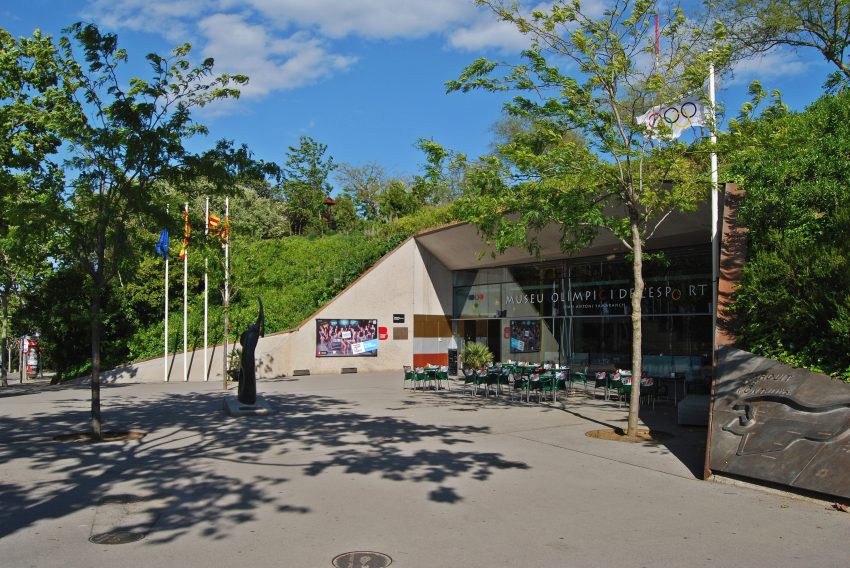
Perched on Montjuïc beside Barcelona's Olympic Stadium, the Museu Olímpic i de l'Esport Joan Antoni Samaranch is a compact, modern museum dedicated to the Olympic movement and the wider world of sport. It's an easy add-on if you're already exploring the Olympic Ring, riding the Montjuïc cable car, or doing a self-guided walk between viewpoints, gardens, and stadium landmarks.
Even if you're not a die-hard sports fan, the museum works well as a story-driven stop that connects Barcelona's transformation to the 1992 Games, with memorabilia, design pieces, and hands-on elements that keep the pace lively. Pair it with a stroll around the Estadi Olímpic Lluís Companys, the Palau Sant Jordi area, and the nearby viewpoints for one of the best “big-picture” afternoons on Montjuïc.
Table of Contents
- History and Significance of the Museu Olímpic i de l’Esport Joan Antoni Samaranch
- Things to See and Do in the Museu Olímpic i de l’Esport Joan Antoni Samaranch
- How to Get to the Museu Olímpic i de l’Esport Joan Antoni Samaranch
- Practical Tips on Visiting the Museu Olímpic i de l’Esport Joan Antoni Samaranch
- Where to Stay Close to the Museu Olímpic i de l’Esport Joan Antoni Samaranch
- Is the Museu Olímpic i de l’Esport Joan Antoni Samaranch Worth Visiting?
- For Different Travelers
- FAQs for Visiting Museu Olímpic i de l’Esport Joan Antoni Samaranch
- Nearby Attractions to the Museu Olímpic i de l’Esport Joan Antoni Samaranch
History and Significance of the Museu Olímpic i de l’Esport Joan Antoni Samaranch
Barcelona’s identity is tightly linked to the 1992 Olympic Games, which helped reshape the city’s infrastructure, waterfront, and global reputation. This museum captures that legacy while placing it in the broader timeline of Olympic history, from early editions to modern mega-events.
Named for Joan Antoni Samaranch, a key figure in the modern Olympic movement, the museum is also a snapshot of how sport intersects with culture: design, branding, technology, and the way athletes become global icons. For many visitors, the Barcelona '92 material is the emotional anchor, because it explains why Montjuïc looks the way it does today.
Beyond the city’s own story, the museum’s significance is that it makes Olympic history approachable. Instead of feeling like a dense archive, it’s curated to be browsable, with clear themes and plenty of visual material.
Things to See and Do in the Museu Olímpic i de l’Esport Joan Antoni Samaranch
Start with the Barcelona '92 sections, where posters, torches, and design elements highlight how the Games became a benchmark for visual identity and city branding. If you're into graphic design, the Cobi-related displays and the overall look-and-feel of the era are often the surprise highlight.
Then move through the broader Olympic timeline, which typically mixes iconic athlete moments with objects that make the history feel tangible: equipment, archival images, and rotating highlights that span both Summer and Winter Games. It’s the kind of museum where you can skim quickly or slow down and read the context panels.
Finally, look out for interactive or hands-on components that break up the galleries and make the visit feel more active than a traditional museum. It’s especially satisfying after a long Montjuïc walk, because you get a “cool-down” stop that still feels energetic.
How to Get to the Museu Olímpic i de l’Esport Joan Antoni Samaranch
The nearest airports are Barcelona–El Prat (BCN) for most international and domestic flights, with Girona–Costa Brava (GRO) and Reus (REU) sometimes used by low-cost carriers. For the best deals and a seamless booking experience, check out these flights to Barcelona on Booking.com.
If you're arriving by train, Barcelona Sants is the main hub and a convenient base for connecting onward by Metro, bus, taxi, or a combination of Metro plus a Montjuïc climb. Train schedules and bookings can be found on Omio.
To reach the museum itself, aim for the Montjuïc Olympic Ring area near the Olympic Stadium; many travelers combine it with the Montjuïc cable car and then walk downhill through the Olympic sites. If you're traveling by car, note that Montjuïc parking can be limited and street parking rules are enforced, so it's often easier to use public transport and walk the final stretch. If you are looking to rent a car in Spain I recommend having a look at Discover Cars, first, as they compare prices and review multiple car rental agencies for you.
Practical Tips on Visiting the Museu Olímpic i de l’Esport Joan Antoni Samaranch
- Official website: https://www.museuolimpicbcn.cat/en/
- Entrance fee: Adults: €6.30; Students: €3.90; Children 7 and under (with an adult): free.
- Opening hours: (April 1 – September 30) Tuesday – Saturday: 10:00–19:00; Sunday: 10:00–14:30. Closed on Monday. (Also closed 1–6 January, 1 May, 25–26 December). (October 1 – March 31) Tuesday – Saturday: 10:00–18:00; Sunday: 10:00–14:30. Closed on Monday. (Also closed 1–6 January, 1 May, 25–26 December).
- Best time to visit: Go earlier in the day for a calmer experience, then continue your Montjuïc walk to viewpoints and gardens afterward.
- How long to spend: Plan for about 60–90 minutes, longer if you like reading exhibit panels or lingering in the Barcelona '92 sections.
- Accessibility: The museum is designed to be visitor-friendly, and it’s a good indoor option when you want a break from Montjuïc’s slopes.
- Facilities: Expect a straightforward museum setup with information panels and exhibits; plan a separate stop for a full café break nearby.
Where to Stay Close to the Museu Olímpic i de l’Esport Joan Antoni Samaranch
Base yourself around Plaça d'Espanya for the easiest access to Montjuïc while still staying well-connected to the rest of Barcelona.
If you want a practical, transport-first stay, Plaça d’Espanya and the surrounding avenues give you quick links to Montjuïc, Sants station, and central neighborhoods. For a more local feel, Poble-sec is a smart pick: you’ll be closer to Montjuïc’s lower entrances and have a strong lineup of casual bars and restaurants.
Occidental Barcelona 1929 Chosen for its location near Plaça d’Espanya and straightforward comfort that makes early starts to Montjuïc easy.
B Hotel Included for its reliable amenities and walkable access to transport connections that simplify getting to the Olympic Ring.
Catalonia Barcelona Plaza A strong option if you want to stay right on the square and prioritize convenience over boutique vibes.
Hotel Brummell Picked for a stylish, neighborhood-forward stay in Poble-sec, great for pairing museum time with evenings out.
INNSiDE by Meliá Barcelona Apolo Recommended for a modern, dependable base between the city center and Montjuïc, with easy onward connections.
Is the Museu Olímpic i de l’Esport Joan Antoni Samaranch Worth Visiting?
Yes, especially if you're already on Montjuïc or you have even a casual interest in the Olympics, iconic athletes, or Barcelona '92 as a turning point in the city's modern story. It's a focused museum that fits neatly into a half-day Montjuïc itinerary without feeling like a major time commitment.
Honest Pivot: If you’re short on time and sport history doesn’t interest you, you may be happier prioritizing Montjuïc viewpoints, gardens, or one of Barcelona’s “must-see” art museums instead. The museum shines most when you’re curious about Olympic culture, design, and memorabilia, not when you’re trying to speed-run the city.
What Other Travellers Say...

Google reviewers rate it highly and often describe it as a rewarding stop on Montjuïc, especially when paired with the cable car and Olympic Ring sights. Visitors praise the clear walk-through of Olympic history, the strong focus on Barcelona '92 (including design and mascot-related displays), and the variety of memorabilia spanning many sports and famous athletes. Common drawbacks mentioned include limited souvenir-shopping options and occasional comfort issues like stuffy air/weak air conditioning.


For Different Travelers
The museum’s biggest advantage is how easily it plugs into a Montjuïc day: you can visit before or after the cable car, combine it with stadium-area landmarks, and still have time for viewpoints. It’s also a weather-proof option when you want an indoor stop without crossing the city.
Families with Kids
Kids who like sports tend to enjoy the variety of disciplines represented, especially when exhibits include interactive elements or visually striking objects like equipment and torches. It’s also a manageable size, which helps avoid museum fatigue.
For families, the best approach is to keep the visit brisk and then reward everyone with outdoor time on Montjuïc afterward. Pair it with open spaces nearby so kids can reset after reading-heavy sections.
Couples & Romantic Getaways
For couples, this museum works best as a “shared curiosity” stop between scenic Montjuïc moments. It’s a good way to add context to the Olympic Ring area before heading to viewpoints for photos.
If one person is a sports fan and the other isn't, the Barcelona '92 design and city-transformation angle can be the bridge that makes it enjoyable for both. Keep it light, then move on to a sunset viewpoint or a relaxed dinner in Poble-sec.
Budget Travelers
Montjuïc is a great budget day because many highlights are outdoors, and this museum can be the one paid indoor stop that adds structure to your route. It’s also easy to reach without taxis if you plan your Metro and walking segments.
To keep costs down, combine the visit with free nearby sights and bring a refillable water bottle for your Montjuïc walk. Aim for off-peak times so you can move through at your own pace without feeling rushed.
History Buffs
History buffs will appreciate how the museum frames sport as a cultural and political force, not just entertainment. The Barcelona '92 sections are particularly valuable for understanding the city's late-20th-century shift.
Treat it as a companion piece to walking the Olympic Ring itself: seeing the venues outside makes the museum’s objects and stories feel more grounded. It’s a niche museum, but a rewarding one if you like modern history told through everyday artifacts.
FAQs for Visiting Museu Olímpic i de l’Esport Joan Antoni Samaranch
Getting There
Tickets & Entry
Visiting Experience
Tours, Context & Itineraries
Photography
Accessibility & Facilities
Food & Breaks Nearby
Safety & Timing
Nearby Attractions to the Museu Olímpic i de l’Esport Joan Antoni Samaranch
- Estadi Olímpic Lluís Companys: The centerpiece stadium of the Olympic Ring, easy to admire from outside and great for understanding the scale of Barcelona '92.
- Palau Sant Jordi: A landmark indoor arena by Arata Isozaki that’s a quick walk away and a standout for architecture lovers.
- Montjuïc Cable Car (Telefèric de Montjuïc): A scenic ride that pairs naturally with the museum, especially if you're planning a downhill walking route.
- Fundació Joan Miró: A top modern-art museum on Montjuïc that makes a strong second indoor stop if you want to balance sport and art.
- Magic Fountain of Montjuïc: A classic evening stop near Plaça d’Espanya, ideal for ending your Montjuïc day with a lively atmosphere.
The Museu Olímpic i de l'Esport Joan Antoni Samaranch appears in our Complete Guide to Visiting Barcelona!

Moira & Andy
Hey! We're Moira & Andy. From hiking the Camino to trips around Europe in Bert our campervan — we've been traveling together since retirement in 2020!
This website uses affiliate links which may earn a commission at no additional cost to you!
Planning Your Visit
(April 1 - September 30) Tuesday - Saturday: 10:00-19:00; Sunday: 10:00-14:30. Closed on Monday. (Also closed 1-6 January, 1 May, 25-26 December).
(October 1 - March 31) Tuesday - Saturday: 10:00-18:00; Sunday: 10:00-14:30. Closed on Monday. (Also closed 1-6 January, 1 May, 25-26 December).
Adults: €6.30; Students: €3.90; Children 7 and under (with an adult): free.
Nearby Attractions
- Lluís Companys Olympic Stadium (0.1) km
Attraction, Historic Site and Notable Building - Palauet Albéniz (0.3) km
Palace - Museu Etnològic de Barcelona (0.3) km
Attraction and Museum - Fundació Joan Miró (0.3) km
Arts Venue, Gallery and Museum - Teatre Grec (0.4) km
Theatre - Catalan Museum of Archaeology (0.4) km
Museum - Museu Nacional d'Art de Catalunya (0.4) km
Historic Building, Museum and Viewing Point - Barcelona Botanical Garden (0.5) km
Attraction, Gardens and Park - Consorci Mercat de les Flors - Centre de les Arts en Moviment (0.5) km
Arts Venue and Theatre - Torre Calatrava (0.6) km
Tower