Museo Storico dello Sbarco in Sicilia 1943, Catania
Museum in Catania
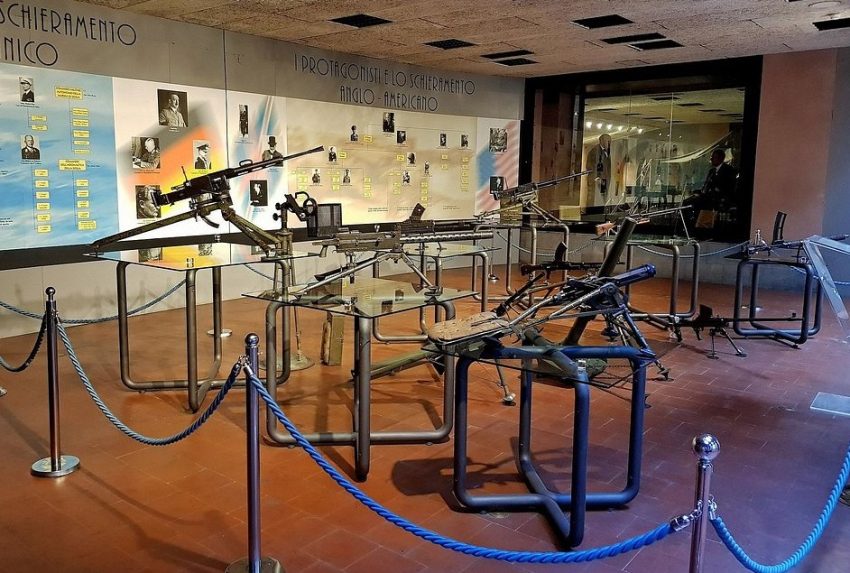
Museo Storico dello Sbarco in Sicilia 1943 is one of Catania's most immersive history stops, dedicated to the Allied invasion of Sicily (Operation Husky) and the island's wartime experience. It's set inside the Le Ciminiere complex on Viale Africa, a short, easy walk from Catania Centrale station and close to the seafront.
If you're building a WWII-focused day in the city, this museum fits well into a walking tour that also includes central Catania's baroque core and the waterfront promenade. It's also a smart “best place to see” option when you want a meaningful indoor activity between market-hopping and sightseeing around Piazza del Duomo.
Table of Contents
- History and Significance of the Museo Storico dello Sbarco in Sicilia 1943
- Things to See and Do in the Museo Storico dello Sbarco in Sicilia 1943
- How to Get to the Museo Storico dello Sbarco in Sicilia 1943
- Practical Tips on Visiting the Museo Storico dello Sbarco in Sicilia 1943
- Where to Stay Close to the Museo Storico dello Sbarco in Sicilia 1943
- Is the Museo Storico dello Sbarco in Sicilia 1943 Worth Visiting?
- For Different Travelers
- FAQs for Visiting Museo Storico dello Sbarco in Sicilia 1943
- Nearby Attractions to the Museo Storico dello Sbarco in Sicilia 1943
History and Significance of the Museo Storico dello Sbarco in Sicilia 1943
The museum was established by the local metropolitan authority to preserve the memory of Sicily’s 1943 campaign and to frame military history as a lesson in peace. While the landings are the headline, the broader story includes civilian life, propaganda, bombardments, and the rapid, chaotic shifts that reshaped the island.
Its setting adds another layer of context: Le Ciminiere is a repurposed industrial site, and the museum’s large footprint allows for a narrative approach that goes beyond display cases. Instead of only presenting artifacts, it uses environments, staging, and multimedia to help visitors understand what the conflict felt like on the ground.
For travelers, the significance is twofold: it's a rare, Sicily-specific deep dive into Operation Husky, and it's one of the most experiential museums in Catania. Even if you've visited major WWII museums elsewhere, the local focus makes the story more personal and place-based.
Things to See and Do in the Museo Storico dello Sbarco in Sicilia 1943
Start with the immersive reconstructions: you’ll move through staged environments that evoke wartime streets and interiors, then into spaces designed to communicate the fear and disorientation of air raids and frontline uncertainty. Many visitors highlight the museum’s atmosphere as much as the objects themselves.
Look out for uniforms, weapons, maps, photographs, and documentary material that track the Allied advance and the battles across Sicily. The museum also uses lifelike figures and scene-setting to anchor key personalities and decisions, which can be especially helpful if you're not already familiar with the campaign.
If you enjoy photography and visual history, spend time with the dedicated photo sections and curated panels that connect Sicily’s towns to the wider Mediterranean theater. It’s the kind of museum where slowing down to read captions and compare maps pays off.
How to Get to the Museo Storico dello Sbarco in Sicilia 1943
The nearest airport is Catania–Fontanarossa Airport (CTA), which is the main gateway for flights into eastern Sicily. For the best deals and a seamless booking experience, check out these flights to Catania on Booking.com.
From elsewhere in Italy, arriving by train to Catania Centrale is convenient, and from there the museum is reachable on foot in roughly 10–15 minutes depending on your pace. Use Omnio to easily compare schedules, book train tickets, and find the best prices all in one place for a hassle-free journey across Italy.
If you’re traveling by car, aim for the Le Ciminiere/Viale Africa area and plan extra time for city traffic and parking availability near the complex. If you are looking to rent a car in Italy I recommend having a look at Discover Cars, first, as they compare prices and review multiple car rental agencies for you.
Practical Tips on Visiting the Museo Storico dello Sbarco in Sicilia 1943
- Official website: https://cittametropolitana.ct.it/it/page/museo-storico-dello-sbarco-in-sicilia-1943
- Entrance fee: Adults: €4; Reduced: €2; Under 6: free.
- Opening hours: Tuesday – Sunday: 09:00–17:00. Monday: Closed.
- Best time to visit: Go earlier in the day for a calmer, more immersive experience, especially if you want time to read the panels without feeling rushed.
- How long to spend: Plan 1.5–2.5 hours; WWII enthusiasts can easily stay longer if they take their time with the reconstructions and photo material.
- Accessibility: The museum is in a modernized complex and is generally manageable for visitors with mobility needs, though some immersive areas may be tighter or darker than standard galleries.
- Facilities: Expect ticketing on-site and basic visitor services within the Le Ciminiere complex; it’s a good idea to bring water and take breaks between the more intense sections.
Where to Stay Close to the Museo Storico dello Sbarco in Sicilia 1943
Base yourself in central Catania near Piazza del Duomo and Via Etnea for the easiest mix of sightseeing, dining, and transport.
Staying near the historic center keeps you close to Catania's main evening scene and makes it simple to pair the museum with other highlights on foot or by a short taxi ride. If you prefer maximum convenience for trains and airport transfers, look around Catania Centrale and Corso Martiri della Libertà, which puts you very close to Le Ciminiere.
UNA Hotel Palace Chosen for its prime Via Etnea location, strong comfort level, and easy access to both the historic center and transport links.
Palace Catania | UNA Esperienze Included for travelers who want a polished, full-service stay right on Catania’s main boulevard with a walkable base for most sights.
Duomo Suites & Spa A great pick for couples and short breaks thanks to its central setting near the cathedral area and a more boutique feel.
Liberty Hotel Selected for its quieter, elegant atmosphere while still being close enough to walk into the center for meals and evening strolls.
NH Catania Centro Useful for a dependable, businesslike option with straightforward logistics for getting around the city and reaching the museum area.
Is the Museo Storico dello Sbarco in Sicilia 1943 Worth Visiting?
Yes, especially if you want a museum experience that feels cinematic and place-specific rather than purely academic. The combination of immersive environments, detailed exhibits, and a Sicily-centered narrative makes it one of the most memorable indoor attractions in Catania.
Honest Pivot: If you’re sensitive to war imagery, loud or dark immersive spaces, or you prefer art/architecture over modern history, you may want to skip it and spend your limited time on Catania’s baroque streets, markets, and coastal views instead.
What Other Travellers Say...

Reviews are overwhelmingly positive, with many travelers calling it a hidden gem and one of the best WWII museums they’ve visited. Common highlights include the depth of information on Operation Husky, high-quality immersive displays, and standout lifelike scenes and reconstructions that make the visit feel vivid rather than static. A few visitors note minor drawbacks such as a slightly neglected feel in places and a perspective that can come across as opinionated, but most still recommend it strongly and suggest budgeting a couple of hours.


For Different Travelers
This museum can work for many itineraries, but it’s best when you know what you’re coming for: a focused WWII story told through atmosphere, objects, and reconstructions. Pair it with lighter sightseeing afterward to balance the emotional tone.
Families with Kids
For older kids and teens, the immersive sets can make history feel real and easier to follow than a text-heavy museum. It’s a good rainy-day option when you still want something meaningful and educational.
For younger children, some sections may feel intense or confusing, especially the darker, more dramatic environments. Consider a shorter visit and focus on the most visually engaging areas.
Couples & Romantic Getaways
It’s not a “romantic” attraction, but it can be a surprisingly strong shared experience if you both enjoy history and storytelling. Visiting earlier in the day leaves the afternoon free for a relaxed aperitivo and a sunset walk by the seafront.
If your trip is centered on food, views, and atmosphere, treat this as an optional cultural add-on rather than a must. It’s best for couples who like museums that spark conversation afterward.
Budget Travelers
The museum is excellent value for money compared with many big-city museums, and it can fill a solid chunk of an afternoon. Its location near the station also helps keep transport costs low.
To keep the day affordable, combine it with free walking time in the historic center and along the waterfront. You’ll get a full, varied day without needing paid tours.
History Buffs
This is the clear target audience: Operation Husky, Sicily’s wartime landscape, and the human side of the campaign are presented with unusual depth. The reconstructions and curated materials make it easy to visualize how events unfolded across the island.
If you’ve already read about the 1943 campaign, you’ll appreciate seeing the geography and timeline anchored to real Sicilian places. It’s also a strong complement to battlefield-focused reading because it includes civilian experience and memory.
FAQs for Visiting Museo Storico dello Sbarco in Sicilia 1943
Getting There
Tickets & Entry
Visiting Experience
Tours, Context & Itineraries
Photography
Accessibility & Facilities
Food & Breaks Nearby
Safety & Timing
Nearby Attractions to the Museo Storico dello Sbarco in Sicilia 1943
- Le Ciminiere (exhibition complex): A cultural and fairground hub that often hosts events and other exhibits in the same area.
- Museo del Cinema (at Le Ciminiere): A film-focused museum nearby that can pair well for a double museum day.
- Catania Centrale: The city's main rail station and a handy landmark for orienting yourself and continuing onward in Sicily.
- Lungomare di Catania: The seafront promenade is ideal for a post-museum walk and a change of pace.
- Piazza del Duomo: Catania's iconic central square with baroque architecture and the Elephant Fountain, perfect to round out the day.
The Museo Storico dello Sbarco in Sicilia 1943 appears in our Complete Guide to Visiting Catania!

Moira & Andy
Hey! We're Moira & Andy. From hiking the Camino to trips around Europe in Bert our campervan — we've been traveling together since retirement in 2020!
This website uses affiliate links which may earn a commission at no additional cost to you!
Planning Your Visit
Tuesday - Sunday: 09:00-17:00.
Monday: Closed.
Adults: €4; Reduced: €2; Under 6: free.
Nearby Attractions
- Fontana del Ratto di Proserpina (0.3) km
Attraction, Fountain and Sculpture - Fontana dei Malavoglia (0.9) km
Fountain, Monument and Sculpture - Mario Cutelli (0.9) km
Historic Building, Historic Site and Notable Building - Teatro Massimo Bellini (1.0) km
Arts Venue, Historic Building and Opera House - Basilica Satuario del Carmine (1.1) km
Basilica, Church and Religious Building - Palazzo Biscari (1.1) km
Historic Building, Historic Site and Palace - Statue of Vincenzo Bellini (1.3) km
Memorial, Sculpture and Statue - Via Etnea (1.3) km
Area, Street and Walk - Chiesa della Badia di Sant'Agata (1.3) km
Church, Religious Building and Viewing Point - Basilica della Collegiata (1.3) km
Basilica, Church and Historic Building