Museo Nacional Centro de Arte Reina Sofia, Madrid
Arts Venue, Gallery and Museum in Madrid
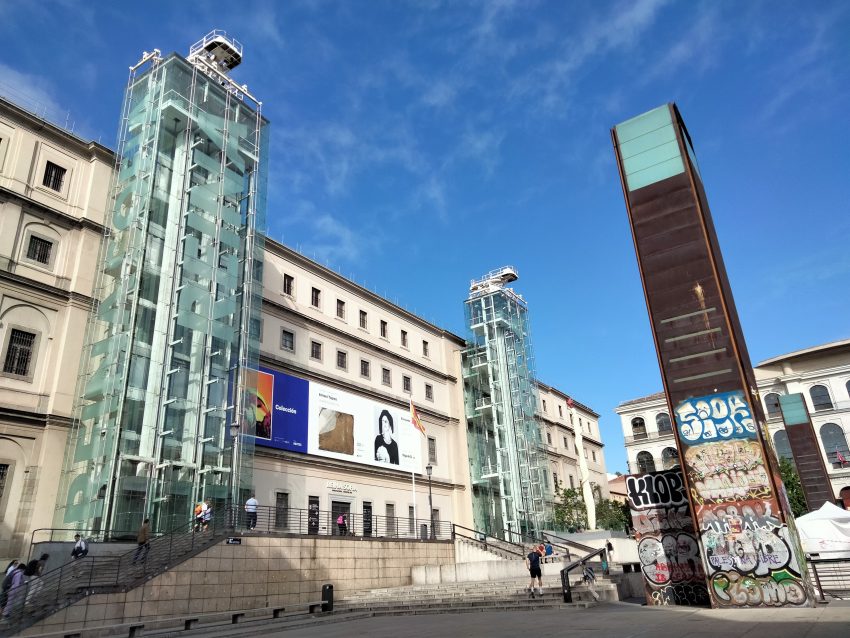
Museo Nacional Centro de Arte Reina Sofia is Madrid's flagship museum for modern and contemporary art, set just south of the city center near Atocha and the leafy edges of El Retiro. It's best known for Picasso's Guernica, but the experience goes far beyond a single masterpiece: the museum's galleries trace Spain's 20th-century artistic and political story alongside major international movements.
It's an easy add-on to a walking tour of the “Golden Triangle of Art” (Prado, Reina Sofía, and Thyssen-Bornemisza), and it also works well as a standalone stop if you want a calmer, more reflective museum visit. Many travelers plan their route so they can see Guernica, then continue on foot to nearby Paseo del Prado viewpoints, Atocha's surroundings, or the neighborhood streets of Lavapiés for food.
Table of Contents
- History and Significance of the Museo Nacional Centro de Arte Reina Sofia
- Things to See and Do in the Museo Nacional Centro de Arte Reina Sofia
- How to Get to the Museo Nacional Centro de Arte Reina Sofia
- Practical Tips on Visiting the Museo Nacional Centro de Arte Reina Sofia
- Where to Stay Close to the Museo Nacional Centro de Arte Reina Sofia
- Is the Museo Nacional Centro de Arte Reina Sofia Worth Visiting?
- For Different Travelers
- FAQs for Visiting Museo Nacional Centro de Arte Reina Sofia
- Nearby Attractions to the Museo Nacional Centro de Arte Reina Sofia
History and Significance of the Museo Nacional Centro de Arte Reina Sofia
The museum’s identity is closely tied to Spain’s cultural memory of the 20th century. While it functions as a national museum of modern and contemporary art, it’s also a place where art and history intersect, especially through works connected to the Spanish Civil War and the decades that followed.
Architecturally, the visit is part of the story. The museum complex blends the historic Sabatini building (a former hospital) with the more contemporary Nouvel extension, giving you a sense of Madrid’s layers: classical civic architecture alongside bold, modern design.
What makes Reina Sofía especially significant is how it frames famous works within context. Rather than presenting “greatest hits” in isolation, the museum’s curatorial approach helps you understand why certain pieces mattered in their time and why they still resonate now.
Things to See and Do in the Museo Nacional Centro de Arte Reina Sofia
Start with Picasso’s Guernica and give yourself time to absorb it slowly. The scale is striking in person, and the surrounding rooms often deepen the experience by placing the work within a broader conversation about conflict, propaganda, and artistic response.
After Guernica, explore the museum’s strengths in Spanish modernism and surrealism, where you’ll often encounter key works associated with artists like Dalí and Miró. Even if modern art isn’t usually your thing, the museum’s layout and pacing make it easy to dip in and out without feeling overwhelmed.
Don’t skip the building itself: look for natural light, open circulation, and the contrast between older stone corridors and newer contemporary spaces. If you need a reset mid-visit, plan a short break between wings so you can return with fresh attention for the later galleries.
How to Get to the Museo Nacional Centro de Arte Reina Sofia
Madrid–Barajas Airport (MAD) is the main international gateway, and it's the most convenient airport for reaching the museum area quickly by public transport or taxi. For the best deals and a seamless booking experience, check out these flights to Madrid on Booking.com.
If you're arriving by rail, Madrid-Puerta de Atocha (and nearby stations serving Cercanías commuter lines) puts you within an easy walk of the museum, making it a great first stop after checking in. Train schedules and bookings can be found on Omio.
By car, driving in central Madrid can be slow and parking is limited, so it's usually better to park once (in a paid garage) and do the rest on foot or by metro. If you are looking to rent a car in Spain I recommend having a look at Discover Cars, first, as they compare prices and review multiple car rental agencies for you.
Practical Tips on Visiting the Museo Nacional Centro de Arte Reina Sofia
- Official website: https://www.museoreinasofia.es/en
- Entrance fee: General admission: €12; Two visits within one year: €18.
- Opening hours: Monday: 10:00–21:00. Tuesday: Closed. Wednesday – Saturday: 10:00–21:00. Sunday: 10:00–14:30.
- Best time to visit: Aim for mid-afternoon for a calmer flow through the galleries, especially if you want unhurried time with Guernica. Weekdays tend to feel less hectic than weekends.
- How long to spend: Plan 2–3 hours for highlights, or 3–5 hours if you want to explore multiple floors and temporary exhibitions without rushing.
- Accessibility: The museum is generally accessible, with elevators and step-free routes between major areas; ask staff about the easiest route to Guernica if you want to minimize walking.
- Facilities: Expect ticketing services, restrooms, and on-site amenities like a shop and places to pause; it’s a big museum, so schedule a short break to avoid fatigue.
Where to Stay Close to the Museo Nacional Centro de Arte Reina Sofia
Base yourself in the Atocha / Paseo del Prado area for the easiest museum-hopping and walkable access to major sights.
Only YOU Hotel Atocha A stylish, design-forward option right by Atocha that’s ideal if you want fast transport connections and an easy walk to the museum.
Hard Rock Hotel Madrid A fun, energetic stay close to Reina Sofía with a more modern vibe, great if you want amenities on-site and a lively atmosphere.
NH Madrid Nacional A classic, dependable hotel on the Paseo del Prado that places you between multiple major museums and a scenic boulevard walk.
Hotel Mediodía A practical, budget-friendlier choice opposite Atocha, perfect if you prioritize location and simplicity over boutique extras.
Radisson RED Madrid A contemporary, comfort-focused option near the station and museums, good for travelers who want a polished stay with easy logistics.
Is the Museo Nacional Centro de Arte Reina Sofia Worth Visiting?
Yes, it’s absolutely worth visiting, even if you’re not a dedicated modern-art fan. Guernica alone can be a once-in-a-lifetime viewing, and the museum’s broader collection makes it easy to connect the art to Spain’s recent history and to wider European movements.
Honest Pivot: If you strongly dislike modern and contemporary art, or you’re short on time and only want “old master” painting, you may prefer to focus on the Prado and treat Reina Sofía as optional. It’s also not the best pick for travelers who want a quick, photo-heavy visit; the most powerful rooms reward slow looking.
What Other Travellers Say...

Travelers rate the museum very highly overall, with many saying it’s impactful even if they’re not usually into modern art. Common highlights include the powerful in-person experience of Picasso’s Guernica, strong collections featuring major Spanish modernists (often mentioning Dalí and Miró), and a pleasant building with natural light and an easy flow through galleries. Practical positives include smooth entry even when busy and the option to buy tickets or passes in advance. The most common drawbacks are crowding at peak times and the museum’s large size, which can feel tiring without a plan.


For Different Travelers
Reina Sofía can feel very different depending on your pace and priorities. Plan your visit around one anchor (usually Guernica) and then build outward, so you leave feeling satisfied rather than museum-fatigued.
Families with Kids
For families, the building’s spaciousness and clear flow can make the visit more manageable than some denser museums. Pick a short “treasure hunt” list (one or two big works, one surprising sculpture, one colorful room) to keep attention high.
If your kids are younger, aim for a shorter visit with a break built in. The museum works best when you’re not trying to see everything in one go.
Couples & Romantic Getaways
Couples often enjoy Reina Sofía as a quieter, more reflective counterpoint to Madrid’s busier attractions. It’s a strong choice for a shared “wow” moment at Guernica followed by a slow wander through surrealism and bold 20th-century rooms.
Pair it with a walk toward Paseo del Prado or a relaxed meal in nearby Lavapiés. The area is ideal for turning a museum visit into a full, unhurried afternoon.
Budget Travelers
Budget travelers can get excellent value here by focusing on the permanent collection highlights and planning around lower-cost options like multi-museum passes. The museum’s location also helps you save money: you can walk to many major sights rather than relying on taxis.
To avoid wasting time in lines, consider booking ahead so you’re not stuck choosing between waiting and skipping. A well-timed visit can deliver a world-class experience without extra spend.
History Buffs
History buffs will appreciate how the museum connects art to the political and social realities of 20th-century Spain. Guernica is the headline, but the surrounding context helps you read it as more than an iconic image.
Approach the galleries as a timeline rather than a checklist. You’ll get more out of the visit by noticing how themes shift across decades, especially around conflict, censorship, and cultural change.
FAQs for Visiting Museo Nacional Centro de Arte Reina Sofia
Getting There
Tickets & Entry
Visiting Experience
Tours, Context & Itineraries
Photography
Accessibility & Facilities
Food & Breaks Nearby
Safety & Timing
Nearby Attractions to the Museo Nacional Centro de Arte Reina Sofia
- Prado Museum: Madrid's essential old-master collection, an easy walk along the Paseo del Prado.
- Thyssen-Bornemisza National Museum: A broad, crowd-pleasing collection that bridges classic and modern art.
- Atocha Station: A landmark transport hub with striking architecture and the nearby tropical garden.
- El Retiro Park: The city's most famous park for a scenic stroll, boating, and people-watching.
- CaixaForum Madrid: A cultural center known for exhibitions and the iconic vertical garden nearby.
The Museo Nacional Centro de Arte Reina Sofia appears in our Complete Guide to Visiting Madrid!

Moira & Andy
Hey! We're Moira & Andy. From hiking the Camino to trips around Europe in Bert our campervan — we've been traveling together since retirement in 2020!
This website uses affiliate links which may earn a commission at no additional cost to you!
Planning Your Visit
Monday: 10:00-21:00.
Tuesday: Closed.
Wednesday - Saturday: 10:00-21:00.
Sunday: 10:00-14:30.
General admission: €12; Two visits within one year: €18.
Nearby Attractions
- Estacion de Atocha (0.2) km
Notable Building, Railway and Train Station - CaixaForum (0.3) km
Arts Venue, Historic Building and Museum - Real Jardin Botanico (0.5) km
Attraction and Gardens - Museo Nacional del Prado (0.6) km
Attraction, Gallery and Museum - Convento de las Trinitarias Descalzas (0.6) km
Church, Convent and Religious Building - Casa-Museo Lope de Vega (0.7) km
Historic Building, Historic Site and Museum - Museo Thyssen-Bornemisza (0.9) km
Arts Venue, Attraction and Museum - Plaza de Santa Ana (0.9) km
Area, Square and Walk - Círculo de Bellas Artes (1.1) km
Viewing Point - Edificio Metropolis (1.2) km
Attraction, Historic Building and Notable Building