Museo Dante, Ravenna
Historic Building and Museum in Ravenna
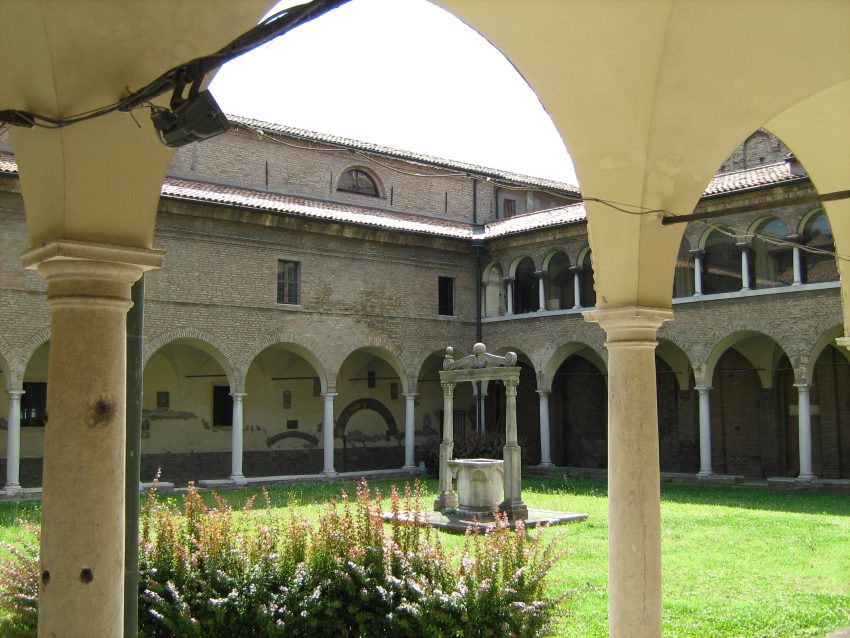
Just a short walk from Dante's Tomb, Museo Dante offers a different kind of encounter with the poet: not a silent memorial moment, but a curated journey through his life, the creation of his public image, and the lasting impact of the Divine Comedy. The setting makes it easy to combine both experiences in one visit, moving from the reverent calm of the Zone of Silence to a museum space that helps you understand why Dante still feels present in Italy's cultural bloodstream.
For many travellers, this is one of the things to do in Ravenna because it adds narrative and context to the tomb visit, turning a name and a resting place into a fuller human story. It's also a great place to visit on a walking tour of Ravenna, since the museum sits right in the central historic area and fits naturally between churches, cafés, and the city's other major sights.
Table of Contents
- History and Significance of the Museo Dante
- Things to See and Do in the Museo Dante
- How to Get to the Museo Dante
- Practical Tips on Visiting the Museo Dante
- Where to Stay close to the Museo Dante
- Is the Museo Dante Worth Visiting?
- FAQs for Visiting Museo Dante
- For Different Travelers
- Nearby Attractions to the Museo Dante
History and Significance of the Museo Dante
The museum's origins go back to 1921, when Ravenna created a dedicated space to mark the 600th anniversary of Dante's death. Over time, that commemorative initiative evolved through expansions and updates, eventually becoming the modern Museo Dante, shaped to speak to contemporary visitors while preserving the emotional gravity that surrounds Dante in this city.
Its significance lies in how it complements the tomb. The tomb is about presence and reverence; the museum is about understanding. It takes Dante's story out of abstract admiration and places it into a sequence of events, images, and objects that show how his reputation was built, contested, and cherished across centuries. In Ravenna, where the poet died in exile, that question of memory and belonging is especially poignant, and the museum makes the “Ravenna versus Florence” subtext feel more real without needing to lecture you.
It also matters because Museo Dante isn't only about the man; it's about the afterlife of his work. The museum treats the Divine Comedy not as a school assignment, but as a living cultural force that has shaped art, identity, and imagination far beyond medieval Italy.
Things to See and Do in the Museo Dante
Begin with the biographical timeline, which sets the tone by weaving Dante’s personal milestones into the wider history around him. This opening is valuable even if you’re not deeply familiar with the details, because it gives you a clean narrative thread to follow through the rest of the rooms. If you visit after seeing the tomb, the timeline often makes the memorial feel more human; if you visit before, it prepares you to experience the tomb with more emotional clarity.
A major pleasure of the museum is how it explores the creation of “Dante’s face.” The room devoted to Dante’s iconography shows how artists and writers shaped a recognisable image of the poet over time, so you start to notice that the stern profile and laurel-crowned figure is not just a portrait, but a cultural invention repeated until it became inevitable. It’s one of the most engaging parts of the museum because it’s immediately readable: you don’t need to be a specialist to see how an image becomes a symbol.
The relic rooms are where the visit often becomes unexpectedly moving. Seeing objects connected to the custody of Dante’s remains, including containers and commemorative items made for major anniversaries, makes the story of preservation feel physical. These are not abstract “Dante items,” but evidence of how seriously people took the responsibility of guarding his memory, sometimes in dramatic circumstances.
Finish in the multimedia and Divine Comedy rooms, where the museum shifts from historical narrative into immersion. Moving through the three cantiche as a sensory experience-listening to verses and letting the imagery accumulate-can be surprisingly powerful, especially if you haven’t engaged with the text in years. It’s the section that most clearly explains why Dante remains culturally durable: the work is built to be remembered, recited, and visualised, and the museum helps you experience that without needing a long reading session.
How to Get to the Museo Dante
Most international visitors arrive via Bologna Guglielmo Marconi Airport and then continue overland to Ravenna. For the best deals and a seamless booking experience, check out these flights to Ravenna on Booking.com.
Ravenna is easy to reach by train, typically via Bologna, and from Ravenna station you can walk into the historic centre and reach the Dante area without difficulty. Use Omnio to easily compare schedules, book train tickets, and find the best prices all in one place for a hassle-free journey across Italy.
If you're travelling by car, it's usually easiest to park outside the most restricted central streets and then walk to the Zone of Silence and Museo Dante. If you are looking to rent a car in Italy I recommend having a look at Discover Cars, first, as they compare prices and review multiple car rental agencies for you.
Practical Tips on Visiting the Museo Dante
- Suggested tips: Visit right before or right after Dante's Tomb so the emotional and historical experiences reinforce each other rather than feeling separate.
- Best time to visit: Mid-morning on a weekday, when you can move through the rooms without feeling rushed by groups.
- Entrance fee: Adults: €5.00
- Opening hours: Tuesday to Sunday: 10 am – 5.30 pm
- Official website: https://www.turismo.ra.it/en/culture-and-history/museums/museo-dante/
- How long to spend: 60-90 minutes for a full visit, longer if you linger in the multimedia and Divine Comedy rooms.
- Accessibility: Expect museum-style circulation, but historic buildings can involve level changes; check current step-free access if required.
- Facilities: Limited inside; cafés, toilets, and shops are nearby in the historic centre.
- Photography tip: If permitted, focus on the atmosphere and a few key objects; the experience is more about sequencing and immersion than collecting lots of images.
- Guided tours: A guided visit is useful if you want deeper context on Dante’s exile, Ravenna’s role in his final years, and how his iconography developed.
- Nearby food options: This area is ideal for a post-visit coffee, especially if you want to sit with what you’ve just seen before moving on.
Where to Stay close to the Museo Dante
If you want to keep the Dante area and the rest of central Ravenna walkable, staying near the historic centre is the simplest approach. Albergo Cappello puts you within easy reach of Museo Dante, Dante's Tomb, and the main dining streets. Hotel Centrale Byron is a practical central base that keeps the Dante district and the UNESCO cluster on foot. If you prefer a more modern hotel feel while staying central, Palazzo Bezzi Hotel works well for a monument-heavy itinerary with easy evening returns.
Is the Museo Dante Worth Visiting?
Yes, particularly if you want your stop at Dante's Tomb to feel informed rather than purely symbolic. The museum turns a brief memorial visit into a richer narrative: you see how Dante's life unfolded, how his image was shaped, and how his legacy was protected and celebrated across centuries.
It’s also worth visiting even if you’re not a Dante specialist, because the museum is designed to be accessible. The timeline structure and multimedia rooms make the story easy to follow, and the Divine Comedy sections often spark curiosity in people who didn’t expect to be moved by poetry on a city break.
FAQs for Visiting Museo Dante
What Other Travellers Say...

Museo Dante on Via Dante Alighieri is a compact, well-crafted museum about Dante Alighieri that uses audiovisual displays to trace his life and the inspiration for the Divine Comedy; visitors say it's a friendly, affordable, and enjoyable stop—especially for Dante enthusiasts—though much of the material is in Italian so non‑Italian speakers may need to rely on the available English content to follow along.


For Different Travelers
Families with Kids
Museo Dante works best for families when you focus on the visual and interactive elements. The timeline helps children place Dante in a story, and the room exploring how artists shaped Dante's face gives them something concrete to compare and discuss.
For younger visitors, the multimedia and listening rooms are often the most engaging, especially if you treat the Divine Comedy sections as vivid storytelling rather than literature. Keep the visit to a manageable length, then follow it with a short walk to the tomb area to connect the story to a real place.
Couples & Romantic Getaways
For couples, this museum is a thoughtful companion to Dante's Tomb, and it adds an emotional layer to a Ravenna day that goes beyond mosaics. The rooms are paced like a narrative, and it's easy to move through them together, pausing where a detail catches your attention.
It also suits slow travel. A museum visit followed by a quiet walk through the Zone of Silence, then coffee or aperitivo nearby, can become one of the most memorable parts of Ravenna precisely because it is reflective rather than rushed.
Budget Travelers
Museo Dante is a good value stop if you want a cultural visit that doesn't require a huge time commitment and is easy to include on foot. It pairs perfectly with free highlights nearby, such as the walk around the Zone of Silence and Piazza del Popolo, so you can mix paid and free experiences efficiently.
If you’re keeping spending tight, prioritise the museum for the story and the relic rooms, then balance it with free walking and a single major basilica entry for a well-rounded day.
History Buffs
History-focused visitors often appreciate how the museum treats Dante’s legacy as a centuries-long civic project rather than a static memory. The timeline approach, the iconography of Dante’s face, and the relics linked to the protection and rediscovery of his remains all reveal how culture and politics shape commemoration.
The museum is also rewarding for understanding how a text becomes a cultural engine. The Divine Comedy rooms show how Dante’s work continues to generate imagery, interpretation, and public engagement, long after the historical Dante is gone.
Nearby Attractions to the Museo Dante
- Dante's Tomb: The poet's resting place in the Zone of Silence, a short walk away and best paired with the museum.
- Basilica of San Francesco: Dante's funeral church, known for its austere interior and the flooded crypt visible beneath the altar.
- Piazza del Popolo: Ravenna's civic heart, ideal for a café break and people-watching between cultural stops.
- Basilica of Sant'Apollinare Nuovo: A UNESCO basilica famed for its long mosaic processions and layered late antique history.
- Neonian Baptistery: A compact octagonal baptistery with a dazzling dome mosaic centred on Christ's baptism.
The Museo Dante appears in our Complete Guide to Visiting Ravenna!

Moira & Andy
Hey! We're Moira & Andy. From hiking the Camino to trips around Europe in Bert our campervan — we've been traveling together since retirement in 2020!
This website uses affiliate links which may earn a commission at no additional cost to you!
Planning Your Visit
Tuesday to Sunday: 10 am - 5.30 pm
Adults: €5.00
Nearby Attractions
- Dante’s Tomb (0.0) km
Tomb - Basilica of San Francesco (0.1) km
Basilica - Piazza del Popolo (0.2) km
Square - Arian Baptistery (0.3) km
Baptistery - Neonian Baptistery (0.3) km
Baptistery - Archbishop's Museum (0.3) km
Museum - Basilica of Sant’Apollinare Nuovo (0.3) km
Basilica - Archbishop's Chapel of St. Andrew (0.3) km
Church - Ravenna Cathedral (0.4) km
Cathedral - Basilica di San Giovanni Evangelista (0.4) km
Basilica