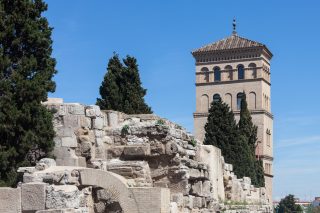
Museo Arqueologico Nacional, Madrid
Museum in Madrid
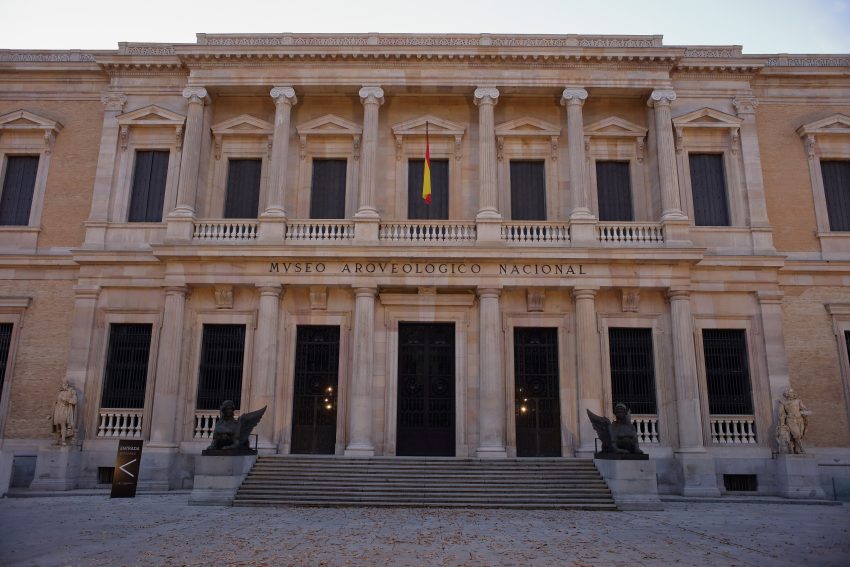
Museo Arqueologico Nacional (the National Archaeological Museum) is one of Madrid's most rewarding museums for understanding Spain's story from prehistory through the 19th century. It sits on Calle de Serrano beside the National Library, right on the edge of the elegant Salamanca district and a short walk from Retiro Park.
It's an easy add-on to a walking tour of central Madrid: pair it with a stroll along Paseo de Recoletos, Plaza de Colón, and the leafy paths of El Retiro, then duck inside for a deep dive into Iberian, Roman, Visigothic, and Islamic-era Spain. If you're choosing just one history museum in the city, this is one of the best places to see world-class artifacts without the crowds.
Table of Contents
- History and Significance of the Museo Arqueologico Nacional
- Things to See and Do in the Museo Arqueologico Nacional
- How to Get to the Museo Arqueologico Nacional
- Practical Tips on Visiting the Museo Arqueologico Nacional
- Where to Stay Close to the Museo Arqueologico Nacional
- Is the Museo Arqueologico Nacional Worth Visiting?
- For Different Travelers
- FAQs for Visiting Museo Arqueologico Nacional
- Nearby Attractions to the Museo Arqueologico Nacional
History and Significance of the Museo Arqueologico Nacional
Founded in the 19th century, the Museo Arqueologico Nacional was created to bring together archaeological finds and historical objects that explain the long arc of the Iberian Peninsula. Over time it became a national reference point for everything from early human presence to the formation of Spain's kingdoms and cultural exchanges across the Mediterranean.
What makes the museum especially significant is how clearly it connects local Iberian cultures with wider networks: Phoenician and Greek contacts, Roman Hispania, the Visigothic period, and Al-Andalus. Rather than feeling like a random assortment of treasures, the galleries are arranged to help you understand continuity, change, and the layers of identity that shaped Spain.
The building itself, shared with the National Library, reinforces the museum’s role as a place for both public discovery and serious scholarship. Even if you’re not a specialist, the bilingual interpretation and chronological flow make the collection approachable.
Things to See and Do in the Museo Arqueologico Nacional
Start with the prehistoric and protohistoric sections to get your bearings, then move into the Iberian world where the museum’s most iconic sculptures and funerary pieces tend to steal the show. Many visitors find the early rooms dense, so it can help to skim for highlights first and then circle back if you have energy.
The classical galleries are a major draw: Greek and Roman sculpture, everyday objects, and beautifully displayed artifacts that make Roman Hispania feel tangible. Don’t miss the coin and money-related displays if you enjoy the “how people lived” side of history; they add context that paintings and statues alone can’t.
If you can, join a guided tour or use the museum's audio guide/app-style interpretation for extra stories and details. The museum is also a great rainy-day anchor for a Madrid itinerary because it comfortably fills 2–4 hours without feeling rushed.
How to Get to the Museo Arqueologico Nacional
Madrid's main airports are Adolfo Suárez Madrid–Barajas Airport (MAD) for most international and domestic flights, and (less commonly for many travelers) nearby regional airports in central Spain for limited routes. For the best deals and a seamless booking experience, check out these flights to Madrid on Booking.com.
Arriving by rail is straightforward: Madrid Puerta de Atocha and Madrid Chamartín are the city's two major stations for high-speed and long-distance trains, with frequent Metro and taxi connections into the center. Train schedules and bookings can be found on Omio.
If you're driving, aim for a central parking garage near Salamanca/Recoletos and plan on walking the last stretch, since street parking is limited and traffic can be slow around the center. If you are looking to rent a car in Spain I recommend having a look at Discover Cars, first, as they compare prices and review multiple car rental agencies for you.
Once you're in the city, the easiest approach is by Metro (Serrano is the closest stop) or by bus along Serrano and Paseo de Recoletos. The museum's location also makes it ideal to reach on foot from Retiro Park, Plaza de Colón, or the “Golden Mile” shopping streets.
Practical Tips on Visiting the Museo Arqueologico Nacional
- Official website: https://www.man.es/man/en.html
- Entrance fee: Adults: €3; Reduced: €1.50; Free: Saturdays from 14:00, Sundays, and selected holidays (eligibility rules apply).
- Opening hours: Tuesday – Saturday: 09:30–20:00. Sunday: 09:30–15:00. Closed on Monday.
- Best time to visit: Go early on a weekday for the quietest galleries, or arrive right after lunch for a calmer afternoon pace. Sundays can be busy because many visitors plan around free-entry periods.
- How long to spend: Plan 2–3 hours for a highlights-focused visit, or 4+ hours if you like reading labels and taking your time through every era. If you’re short on time, prioritize Iberian and Roman sections.
- Accessibility: Expect step-free access in most areas, but allow extra time for elevators and longer gallery routes. If you use mobility aids, it’s worth checking with staff on arrival for the smoothest route through the floors.
- Facilities: You’ll typically find restrooms, a cloakroom area, and a shop, plus clear bilingual exhibit text that makes self-guided visits easy. Bring headphones if you plan to use audio content on your phone.
Where to Stay Close to the Museo Arqueologico Nacional
Base yourself in central Madrid around Salamanca/Recoletos for the easiest walking access to the museum, Retiro Park, and many of the city's most elegant boulevards.
Wellington Hotel & Spa Madrid A classic luxury pick in the Salamanca district with a polished, grown-up feel and an excellent location for museum-hopping.
NH Collection Madrid Suecia A stylish, central option that’s convenient for walking between major sights while still being an easy ride to Serrano.
Only YOU Boutique Hotel Madrid Great for design lovers who want a lively, upscale base near Chueca, with quick access to Recoletos and the museum area.
Hotel Regina A dependable mid-to-upscale choice near Gran Vía and Alcalá, ideal if you want to combine museums with shopping and nightlife.
Petit Palace President Castellana A practical Salamanca-area stay that keeps you close to Serrano and makes early museum entry easy.
Is the Museo Arqueologico Nacional Worth Visiting?
Yes, especially if you want a clear, well-curated overview of Spain’s deep past in one place. The museum consistently delivers on substance: strong interpretation, impressive breadth, and standout classical and Iberian material that feels genuinely world-class.
Honest Pivot: if you’re not interested in archaeology or you struggle with long chronological museums, you may find the earliest prehistoric sections tiring and label-heavy. In that case, consider a shorter, highlights-only visit or choose an art-focused museum instead.
What Other Travellers Say...

Google reviewers rate the museum very highly and frequently call it a must for history lovers. Visitors praise the depth and organization of the collection, especially the Roman and Greek sections, and appreciate clear bilingual explanations that make the exhibits easy to follow. Several mention that it feels surprisingly uncrowded for the quality, and that guided tours or the audio guide add helpful context. A common downside is that the prehistoric section can feel long or tiring if you try to do everything in one go.


For Different Travelers
The Museo Arqueologico Nacional works well as a flexible “choose your own depth” stop: you can do a brisk highlights loop or settle in for a half-day. Its central location also makes it easy to combine with parks, shopping streets, and other major museums.
Families with Kids
Kids often do best with a scavenger-hunt approach: pick a few themes (animals, warriors, coins, or “mystery objects”) and let them lead. The Roman-era objects and sculpture tend to be more visually engaging than the densest prehistoric displays.
Plan short breaks and keep expectations realistic; even a 60–90 minute visit can feel like a win. Pair the museum with nearby open space like Retiro Park so everyone can reset afterward.
Couples & Romantic Getaways
For couples, this museum is a calm, cultured break from Madrid’s busier hotspots, and it’s easy to follow with a café stop around Recoletos or a sunset walk near Retiro. The galleries invite conversation because the objects naturally spark “how did they live?” questions.
If you like slow travel, consider building a mini itinerary around it: museum visit, stroll past the National Library, then linger over dinner in Salamanca. It's a refined, low-stress date that still feels distinctly Madrid.
Budget Travelers
This is one of the best-value major museums in Madrid, especially if you plan around free-entry windows. Even with a paid ticket, the depth of the collection makes it a strong “cost per hour” choice.
To keep spending down, arrive with a plan (top 10 objects you want to see) and skip paid add-ons unless you know you’ll use them. The surrounding neighborhoods are walkable, so you can avoid extra transit costs by linking nearby sights on foot.
History Buffs
History lovers can easily spend half a day here, because the museum doesn't just showcase masterpieces—it explains transitions between eras. The Iberian, Roman Hispania, Visigothic, and Al-Andalus material is especially rewarding if you've visited archaeological sites elsewhere in Spain.
For extra context, consider doing the museum early in your trip; it will make later day trips (like Toledo, Segovia, or Roman sites) more meaningful. A guided tour can also help connect the dots between periods.
FAQs for Visiting Museo Arqueologico Nacional
Getting There
Tickets & Entry
Visiting Experience
Tours, Context & Itineraries
Photography
Accessibility & Facilities
Food & Breaks Nearby
Safety & Timing
Nearby Attractions to the Museo Arqueologico Nacional
- National Library of Spain: Right next door, a landmark building that's worth seeing from the outside and pairing with the museum area.
- Plaza de Colón: A major square with monuments and a lively atmosphere, often used as a meeting point in this part of Madrid.
- El Retiro Park: Madrid's iconic green escape, perfect for a walk, rowboat break, or post-museum reset.
- Puerta de Alcalá: A grand city gate and one of Madrid's most photographed landmarks, close to the museum-to-Retiro route.
- Paseo de Recoletos: A beautiful boulevard for strolling, café stops, and linking the museum with central neighborhoods.
The Museo Arqueologico Nacional appears in our Complete Guide to Visiting Madrid!

Moira & Andy
Hey! We're Moira & Andy. From hiking the Camino to trips around Europe in Bert our campervan — we've been traveling together since retirement in 2020!
This website uses affiliate links which may earn a commission at no additional cost to you!
Planning Your Visit
Tuesday - Saturday: 09:30-20:00.
Sunday: 09:30-15:00.
Closed on Monday.
Adults: €3; Reduced: €1.50; Free: Saturdays from 14:00, Sundays, and selected holidays (eligibility rules apply).
Nearby Attractions
- Biblioteca Nacional (0.2) km
Historic Building, Library and Museum - Plaza de Colon (0.2) km
Historic Site, Monument and Square - Puerta de Alcala (0.4) km
Attraction, City Gate and Monument - Palacio de Cibeles (0.6) km
Arts Venue, Historic Building and Town Hall - Parque del Retiro (0.6) km
Park - El Estanque (0.6) km
Attraction, Lake and Park - Círculo de Bellas Artes (0.9) km
Viewing Point - Edificio Metropolis (0.9) km
Attraction, Historic Building and Notable Building - Museo Thyssen-Bornemisza (0.9) km
Arts Venue, Attraction and Museum - Palacio de Velazquez (1.1) km
Arts Venue, Historic Building and Museum