Museo Archeologico Nazionale Domenico Ridola, Matera
Museum in Matera
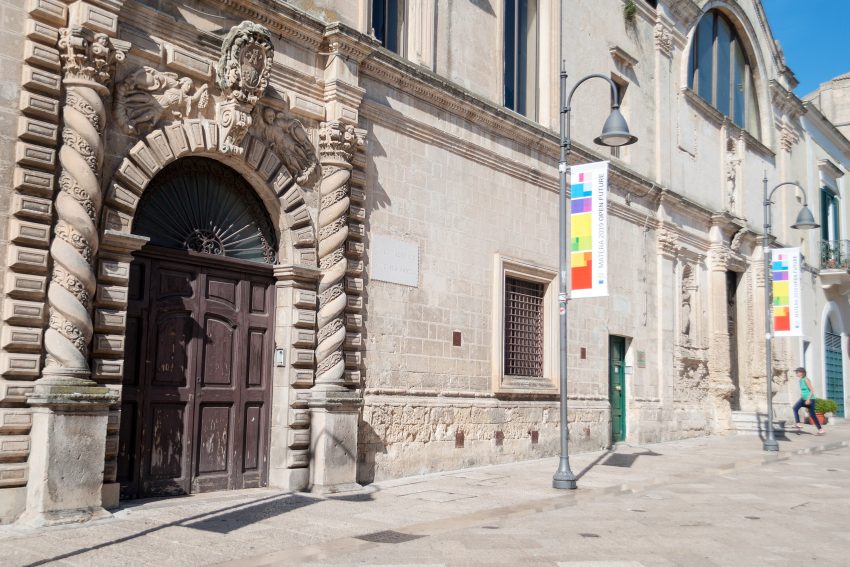
The Museo Archeologico Nazionale Domenico Ridola is Matera's key archaeology museum, focused on the deep human story of Basilicata and the wider Matera area, from prehistory through later ancient periods. It's a smart stop when you want context for the Sassi beyond the cave-houses: tools, ceramics, burials, and curated displays that explain how people lived here long before Matera became a UNESCO icon.
Because it sits right in the historic center, the museum fits easily into a walking tour day: pair it with viewpoints over the Sassi, then come here for the “why it matters” layer that makes the landscape feel lived-in across millennia. If you're choosing just a few cultural stops in town, this is one of the best places to understand the region's archaeological identity before heading out to the Murgia plateau.
Table of Contents
- History and Significance of the Museo Archeologico Nazionale Domenico Ridola
- Things to See and Do in the Museo Archeologico Nazionale Domenico Ridola
- How to Get to the Museo Archeologico Nazionale Domenico Ridola
- Practical Tips on Visiting the Museo Archeologico Nazionale Domenico Ridola
- Where to Stay Close to the Museo Archeologico Nazionale Domenico Ridola
- Is the Museo Archeologico Nazionale Domenico Ridola Worth Visiting?
- For Different Travelers
- FAQs for Visiting Museo Archeologico Nazionale Domenico Ridola
- Nearby Attractions to the Museo Archeologico Nazionale Domenico Ridola
History and Significance of the Museo Archeologico Nazionale Domenico Ridola
Founded in the early 20th century and tied to the legacy of Domenico Ridola, the museum grew from a core collection assembled through local research and discoveries. Its significance is not just the objects themselves, but the way it anchors Matera’s story in a much longer timeline than most visitors expect.
The museum's collections connect the city to prehistoric settlement patterns, early farming communities, and the evolving cultures of southern Italy. In practical terms, it's one of the most efficient places in Matera to see how the surrounding ravines, caves, and uplands shaped daily life, technology, and ritual.
Today, the museum functions as a gateway to understanding the broader archaeological landscape around Matera, including sites and finds from the surrounding territory. Even a short visit can make later sightseeing in the Sassi and the Parco della Murgia Materana feel more meaningful.
Things to See and Do in the Museo Archeologico Nazionale Domenico Ridola
Start with the sections that focus on prehistory: stone tools, early settlement evidence, and displays that help you visualize how people used caves and open-air sites. Look for exhibits that explain daily life and technology, since they provide the clearest “translation” from artifact to lived experience.
Ceramics and burial-related finds are often the highlights for travelers who like visual impact: shapes, patterns, and grave goods can be surprisingly expressive, and they reveal trade links and social customs. If you’re visiting with limited time, prioritize the most interpretive rooms (the ones with stronger storytelling and reconstructions).
To make the visit feel connected to the city, treat the museum as your pre-walk briefing: after the galleries, head back outside and re-read the streets, viewpoints, and rock landscape through the lens of what you've just seen. It's one of those museums that quietly upgrades the rest of your Matera itinerary.
How to Get to the Museo Archeologico Nazionale Domenico Ridola
The nearest major airports are Bari Karol Wojtyła (Bari Palese) and Brindisi Airport, with Bari typically the most convenient for Matera. For the best deals and a seamless booking experience, check out these flights to Matera on Booking.com.
For trains, the most common approach is to reach Bari first (a major rail hub) and then continue to Matera via regional rail/bus connections; Ferrandina is another nearby rail point with onward bus links into the city. Use Omnio to easily compare schedules, book train tickets, and find the best prices all in one place for a hassle-free journey across Italy.
If you’re driving, aim for parking outside the tight historic core and then walk in, since central streets can be restricted and stressful for visitors. If you are looking to rent a car in Italy I recommend having a look at Discover Cars, first, as they compare prices and review multiple car rental agencies for you.
Practical Tips on Visiting the Museo Archeologico Nazionale Domenico Ridola
- Official website: https://www.museonazionaledimatera.it/
- Entrance fee: Adults: €10; Reduced: €2.
- Opening hours: Monday: 14:00–20:00. Tuesday – Sunday: 09:00–20:00.
- Best time to visit: Go earlier in the day for a quieter, more focused experience, then follow with an afternoon walk through the Sassi viewpoints.
- How long to spend: Plan 60–90 minutes for a satisfying visit; archaeology fans can easily spend 2 hours reading labels and lingering in the key rooms.
- Accessibility: Expect a historic-building layout; check ahead if you need step-free access, and plan for some uneven surfaces in the surrounding streets.
- Facilities: Bring water, especially in warmer months, and plan a café stop nearby before or after since the museum visit pairs well with a slow stroll.
Where to Stay Close to the Museo Archeologico Nazionale Domenico Ridola
Base yourself in or near the Sassi/Centro Storico so you can walk everywhere and enjoy Matera early and late, when the crowds thin out.
Aquatio Cave Luxury Hotel & Spa A splurge-worthy cave stay with a spa feel, ideal if you want a memorable “only in Matera” base within easy walking distance of museums and viewpoints.
Palazzo Gattini Luxury Hotel A refined historic option near the cathedral area, great for travelers who want classic service and a central location for evening strolls.
Hotel Sassi A dependable mid-range pick with a strong location for exploring on foot, especially convenient if you’re balancing museums with lots of wandering.
Locanda di San Martino A character-rich stay that leans into Matera’s cave heritage, a good choice if you want atmosphere without going fully ultra-luxury.
Pianelle Resort A stylish, well-regarded base in the Sassi area, included for its design-forward comfort and easy access to the city’s main cultural sights.
Is the Museo Archeologico Nazionale Domenico Ridola Worth Visiting?
Yes, especially if you want more than postcard views: it's one of the best places in Matera to understand the region's long human timeline and the archaeological backdrop to the Sassi landscape. The visit is compact enough to fit into a busy day, but substantial enough to change how you see the city afterward.
Honest Pivot: if your priority is purely scenic photography, cave-house interiors, or you’re traveling with someone who dislikes artifact-heavy museums, you may prefer to spend the time on viewpoints, rupestrian churches, or a guided walk in the Murgia instead.
What Other Travellers Say...


For Different Travelers
The museum works best when it’s part of a broader story: a morning of context indoors, then an afternoon of walking and viewpoints outdoors. It’s also a good “reset” stop in the heat or between longer walking stretches.
Families with Kids
Kids who like “real objects” and ancient life tend to enjoy the tools, pottery, and the idea of people living in and around caves long ago. Keep the visit short and interactive: pick a few standout rooms and turn it into a scavenger hunt for shapes, animals, and materials.
If your family is already doing a lot of churches and viewpoints, this can be a calmer, educational break. Pair it with a gelato stop and a short, kid-friendly walk afterward.
Couples & Romantic Getaways
For couples, the museum is a low-pressure cultural stop that adds depth to Matera’s romance: you’ll appreciate the city more when you understand the landscape’s long history. It’s also a good option if you want a quieter hour away from the busiest lanes.
Follow it with a golden-hour viewpoint walk and dinner in the Sassi for a well-balanced day. If one of you is less into museums, agree on a time cap and focus on the most visually striking sections.
Budget Travelers
This is often a good-value museum stop in a city where many experiences revolve around guided tours. If you’re building a cost-conscious itinerary, use it as your “context anchor” before doing self-guided walks through the Sassi and across viewpoints.
Budget tip: plan your day so you’re walking between sights rather than relying on taxis, since the museum’s central location makes it easy to string together multiple highlights on foot.
History Buffs
History lovers will appreciate how the museum ties local finds to broader patterns in southern Italy, from early settlement to later ancient cultures. It’s also a strong companion to the landscape itself: the ravines, caves, and plateaus outside become more legible after the galleries.
If you have time, treat the visit as the first chapter, then seek out a guided experience in the Murgia area to connect artifacts with terrain. The combination of objects plus geography is where Matera really clicks.
FAQs for Visiting Museo Archeologico Nazionale Domenico Ridola
Getting There
Tickets & Entry
Visiting Experience
Tours, Context & Itineraries
Photography
Accessibility & Facilities
Food & Breaks Nearby
Safety & Timing
Nearby Attractions to the Museo Archeologico Nazionale Domenico Ridola
- Sassi di Matera: The iconic cave districts where you can wander lanes, churches, and carved dwellings with unforgettable views.
- Casa Grotta nei Sassi: A staged cave-home interior that helps you visualize daily life in the Sassi.
- Cattedrale di Matera: The hilltop cathedral with a strong viewpoint over the city and a classic stop on a walking route.
- Palazzo Lanfranchi: A major cultural building in Matera that often anchors museum visits and exhibitions.
- Belvedere di Piazza Giovanni Pascoli: One of the most popular viewpoints for sweeping photos across the Sassi and the ravine.
The Museo Archeologico Nazionale Domenico Ridola appears in our Complete Guide to Visiting Matera!

Moira & Andy
Hey! We're Moira & Andy. From hiking the Camino to trips around Europe in Bert our campervan — we've been traveling together since retirement in 2020!
This website uses affiliate links which may earn a commission at no additional cost to you!
Planning Your Visit
Monday: 14:00-20:00.
Tuesday - Sunday: 09:00-20:00.
Adults: €10; Reduced: €2.
Nearby Attractions
- Via Ridola (0) km
Area, Street and Walk - Belvedere Piazzetta Pascoli (0.1) km
Attraction, Square and Viewing Point - Museo di Palazzo Lanfranchi (0.1) km
Gallery, Historic Building and Museum - Chiesa di San Francesco d'Assisi (0.1) km
Church, Historic Building and Religious Building - Castello Tramontano (0.2) km
Castle, Historic Site and Ruins - Sassi di Matera (0.2) km
Ancient City, Area and Historic Site - Piazza San Pietro Caveoso (0.2) km
Historic Site, Square and Viewing Point - Chiesa dei Santi Pietro e Paolo (0.3) km
Church, Religious Building and Viewing Point - Casa Grotta di Vico Solitario (0.3) km
Cave, Historic Site and Museum - MOOM Matera Olive Oil Museum (0.3) km
Attraction, Mill and Museum