Museo Archeologico al Teatro Romano, Verona
Historic Building and Museum in Verona

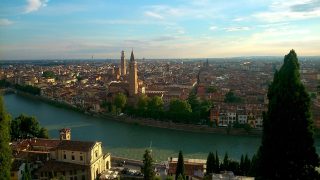
The Museo Archeologico al Teatro Romano is one of those Verona visits where the setting does half the storytelling for you: Roman stonework at river level, then a climb into a former convent that looks down over the theatre's curve of seating and the Adige bend beyond. It sits in Veronetta, just across from the historic centre, and combines an open-air archaeological site with museum galleries that fill in the “missing pieces” with inscriptions, sculpture, and small finds from daily life.
It's one of the best places to visit in Verona if you want something more layered than a single monument, because you get ruins, collections, and viewpoints in one stop. It also fits smoothly into a walking tour of Verona: cross Ponte Pietra, wander the theatre, then finish above the city with a quieter, more reflective perspective before looping back to the central piazzas.
Table of Contents
- History and Significance of the Museo Archeologico al Teatro Romano
- Things to See and Do in the Museo Archeologico al Teatro Romano
- How to Get to the Museo Archeologico al Teatro Romano
- Practical Tips on Visiting the Museo Archeologico al Teatro Romano
- Where to Stay Close to the Museo Archeologico al Teatro Romano
- Is the Museo Archeologico al Teatro Romano Worth Visiting?
- For Different Travelers
- FAQs for Visiting Museo Archeologico al Teatro Romano
- Nearby Attractions to the Museo Archeologico al Teatro Romano
History and Significance of the Museo Archeologico al Teatro Romano
The Roman Theatre was built in the late 1st century BC, set into the natural slope on the east bank of the Adige, with protective river works created early on to help manage flooding. Over centuries, the structure was gradually buried and reused, with later buildings and a church occupying parts of the site, until systematic recovery and excavation brought the remains back into view from the 19th century onward.
The museum’s story is also a civic story. Verona’s archaeological collections grew through a mix of donations from local families and targeted acquisitions, alongside finds emerging from excavations in the city and its province, turning private collecting into a public heritage project over time.
The museum finally took shape as a dedicated institution in the 20th century, housed in the former Gesuati convent above the theatre, a setting that naturally connects objects in display cases to the ruins below. A major renewal of the museum layout in the 2010s refreshed the experience, making it easier to understand how Verona’s Roman life, rituals, and public spaces knitted together.
Things to See and Do in the Museo Archeologico al Teatro Romano
Start at the Roman Theatre itself and treat it like a three-dimensional diagram of entertainment and civic life. Even in partial remains, the cavea and stairways make the theatre's scale easy to read, and the river backdrop gives you a sense of how tightly Roman Verona was connected to geography and transport.
Then move up into the museum galleries, where the visit becomes more intimate. Look for inscriptions, architectural fragments, sculpture, and everyday objects that turn the theatre from “ruins” into a lived place, and notice how the displays often connect local discoveries to broader Roman patterns of worship, trade, and domestic life.
Finally, give yourself time for the views. The convent setting means you get balconies and terraces that feel like natural pause points, ideal for a slow look back over the theatre and across the city rooftops-especially satisfying if you’ve already climbed a tower or crossed bridges earlier in the day.
How to Get to the Museo Archeologico al Teatro Romano
The nearest airport is Verona Villafranca Airport (VRN), with additional options via Bergamo (BGY) and Venice Marco Polo (VCE) if you are combining cities. For the best deals and a seamless booking experience, check out these flights to Verona on Booking.com. From the airport, travel into central Verona by bus or taxi, then continue on foot toward the Adige and Ponte Pietra.
If you arrive by train, you'll come into Verona Porta Nuova and then continue into the historic centre by bus or on foot before heading toward the river crossing. Use Omnio to easily compare schedules, book train tickets, and find the best prices all in one place for a hassle-free journey across Italy. Once you're around Piazza delle Erbe or the Duomo area, it's a straightforward walk to Ponte Pietra and into Veronetta.
Local buses can take you close to the riverfront and Veronetta, but the final approach is best on foot so you can orient yourself and enjoy the setting.
If you are traveling by car, park outside the historic core and walk in, since limited-traffic rules and narrow streets make driving to central landmarks inefficient. If you are looking to rent a car in Italy I recommend having a look at Discover Cars, first, as they compare prices and review multiple car rental agencies for you.
Practical Tips on Visiting the Museo Archeologico al Teatro Romano
- Entrance fee: €9 (standard); €6 (reduced); €2 (ages 18–25); under 18 free.
- Opening hours: Tuesday – Sunday: 10:00–18:00. Last entry: 17:30. Closed on Monday.
- Official website: https://museoarcheologico.comune.verona.it/
- Best time to visit: Late morning for comfortable light on the ruins, or late afternoon if you want a calmer museum pace and a softer city view from above.
- How long to spend: Plan 1.5-2.5 hours to do both the theatre remains and the museum without rushing, especially if you like reading labels and pausing for viewpoints.
- Accessibility: Expect slopes and level changes between the theatre and the convent museum; take the visit in stages and allow extra time if you prefer a slower ascent.
- Facilities: You’ll find ticketing and basic visitor services at the entrance area, and it’s easy to pair the visit with cafés back across the river in the historic centre.
Where to Stay Close to the Museo Archeologico al Teatro Romano
For a culture-heavy itinerary, base yourself in the Centro Storico around Piazza delle Erbe so you can walk to Verona's main sights early and loop back easily; if you want quieter evenings and quick access to river walks and hillside viewpoints, Veronetta is the most fitting area.
If you want to be steps from Ponte Pietra and make early-morning river light part of your routine, Relais a Ponte Pietra is a location-first choice that keeps this museum visit effortless. For classic old-town comfort within an easy walk of the bridge and central lanes, Due Torri Hotel is a strong base for a sight-heavy plan. If you prefer a reliable, walk-first option that sits comfortably in the heart of the centre, Hotel Accademia keeps your whole itinerary simple.
Is the Museo Archeologico al Teatro Romano Worth Visiting?
Yes, especially if you want a Verona experience that combines “big picture” ruins with the satisfying detail of objects and inscriptions. The theatre gives you the scale of Roman public life, while the museum fills in the texture-what people dedicated, bought, built, and left behind.
It's also a smart choice when you want to step slightly outside the busiest core without leaving the city's main story. Veronetta feels close yet calmer, and the museum's elevated setting gives you a perspective on Verona that you do not get from the central piazzas alone.
What Other Travellers Say...

Museo Archeologico al Teatro Romano on Rigaste Redentore offers an archaeology museum housed near a Roman amphitheatre used for open‑air plays and concerts; visitors praise its collection of ancient sculptures, artifacts both indoors and outdoors, and increasingly impressive panoramic views of Verona and the River Adige as you climb (there are steep steps but a lift is available), though parts of the theatre may sometimes be occupied by modern staging and construction.


For Different Travelers
Families with Kids
For families, this visit works best as a two-part adventure: explore the theatre first, then “hunt for clues” in the museum that explain what you just walked through. Kids often connect quickly with the idea of an ancient performance venue, especially when you point out where crowds sat, where actors stood, and how sound would have carried.
Keep the museum section light and goal-driven: pick a few standout objects, focus on shapes and stories rather than dates, and leave some energy for the walk back across the bridge. The setting naturally helps, because the climb and the views create built-in milestones that stop it from feeling like a long indoor visit.
Couples & Romantic Getaways
For couples, this is one of Verona's quieter, more atmospheric stops, with a natural highlighting of “together time” built into the route. The walk over Ponte Pietra and into Veronetta feels like a small escape from the busiest lanes, and the shift from river level to the hilltop museum creates a gentle sense of progression.
If you like slow travel, treat the viewpoints as part of the experience rather than an afterthought. A short pause looking back over the theatre and river bend often becomes the most memorable moment, especially if you schedule it before a relaxed lunch back in the centre.
Budget Travelers
Budget travelers get strong value here because the experience bundles a major archaeological site with a full museum, without needing a guided tour to make it meaningful. It’s also easy to pair with free highlights nearby-bridge views, river walks, and Veronetta lanes-so your day stays rich even if you’re selective with paid entries.
To keep costs predictable, plan this as your main paid stop on the east-bank side, then return to the centre for free wandering through squares and viewpoints. The museum is also a good “reset” from crowded attractions, which makes the whole day feel less like a queue-to-queue sprint.
History Buffs
History buffs will appreciate how clearly the site shows Verona as a Roman city shaped by terrain and river. The theatre's placement, the surviving structural logic, and the long sequence of reuse and recovery make it a compact case study in how ancient infrastructure gets absorbed into a living medieval-and-modern city.
The museum collections are where the deeper reading happens: inscriptions that pin names to places, fragments that hint at lost buildings, and everyday items that keep the story grounded. Take your time with the labels, because this is where Verona stops being a backdrop and becomes a documented, specific Roman community.
FAQs for Visiting Museo Archeologico al Teatro Romano
Getting There
Tickets & Entry
Visiting Experience
Tours, Context & Itineraries
Photography
Accessibility & Facilities
Food & Breaks Nearby
Safety & Timing
Nearby Attractions to the Museo Archeologico al Teatro Romano
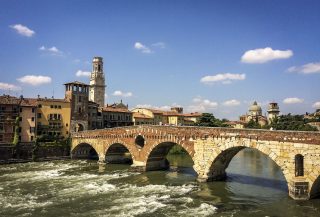
- Ponte Pietra: Verona's oldest bridge and the most scenic route into Veronetta, with classic Adige views in both directions.
- Teatro Romano di Verona: The open-air ruins below the museum, where the seating curve and river setting make the ancient layout easy to read.
- Duomo di Verona: The cathedral complex across the river, ideal for a quieter sacred-architecture stop after the theatre side.
- Piazza delle Erbe: Verona's liveliest historic square, perfect for a post-visit coffee and an easy return to the city's central energy.
- Torre dei Lamberti: A fast, high-impact viewpoint climb that complements the museum's perspective with a full rooftop panorama.
The Museo Archeologico al Teatro Romano appears in our Complete Guide to Visiting Verona!

Moira & Andy
Hey! We're Moira & Andy. From hiking the Camino to trips around Europe in Bert our campervan — we've been traveling together since retirement in 2020!
This website uses affiliate links which may earn a commission at no additional cost to you!
Planning Your Visit
Tuesday - Sunday: 10:00-18:00.
Last entry: 17:30.
Closed on Monday.
€9 (standard); €6 (reduced); €2 (ages 18-25); under 18 free.
Nearby Attractions
- Castel San Pietro (0.1) km
Castle - Ponte Pietra (0.2) km
Bridge and Historic Site - Basilica di Santa Anastasia (0.3) km
Church - Duomo di Verona (0.4) km
Cathedral - Arche Scaligere (0.5) km
Tomb - Loggia del Consiglio (0.5) km
Historic Building - Piazza dei Signoria (0.5) km
Square - Palazzo Miniscalchi (0.5) km
Museum - Torre dei Lamberti (0.6) km
Tower - Piazza Delle Erbe (0.6) km
Square