Musée Le Secq des Tournelles, Rouen
Museum in Rouen
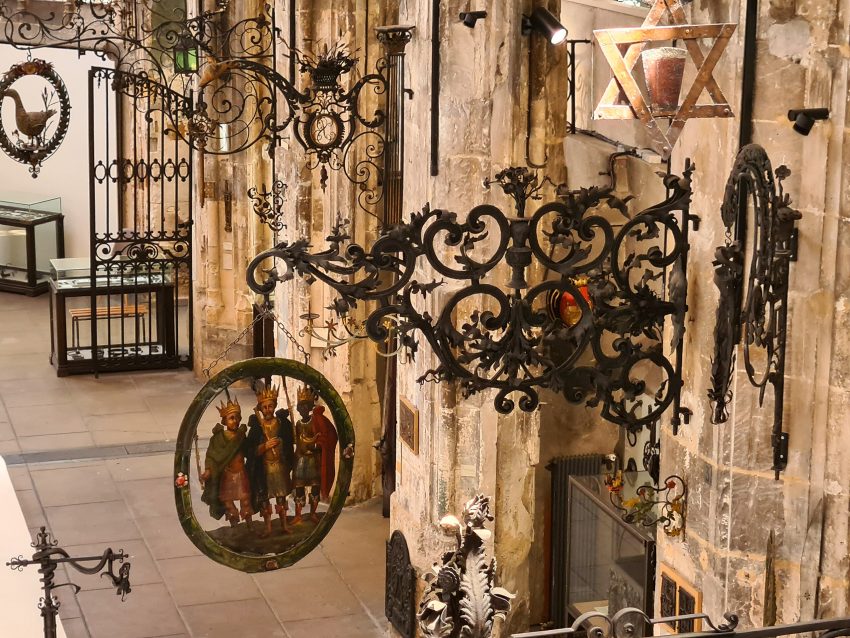
Tucked into Rouen's historic core, the Musée Le Secq des Tournelles is one of those small-but-memorable museums that feels genuinely different from the usual city-gallery circuit. It's set inside the former Gothic church of Saint-Laurent, and the atmosphere alone is worth the detour: soaring stonework overhead, soft light filtering in, and hundreds of iron objects displayed like sculptures rather than simple tools.
Because it's compact, distinctive, and centrally placed, it's one of the things to see in Rouen when you want a cultural stop that doesn't demand half a day. It also fits neatly into a walking tour of Rouen, especially if you're linking the cathedral area with quieter streets and smaller museums along the way.
Table of Contents
- History and Significance of the Musée Le Secq des Tournelles
- Things to See and Do in the Musée Le Secq des Tournelles
- Practical Tips on Visiting the Musée Le Secq des Tournelles
- Where to Stay Close to the Musée Le Secq des Tournelles
- Is the Musée Le Secq des Tournelles Worth Visiting?
- For Different Travelers
- FAQs for Visiting the Musée Le Secq des Tournelles
- Nearby Attractions to the Musée Le Secq des Tournelles
History and Significance of the Musée Le Secq des Tournelles
The museum began as a collector’s vision: Henri Le Secq des Tournelles assembled an exceptional range of wrought-iron objects that show how metalwork shaped everyday life across centuries. What’s striking is how the collection shifts your perspective on “decorative arts” - locks, keys, signs, hinges, and grilles stop feeling purely functional and start reading as design, status, and local identity.
The setting amplifies that impact. Housing the collection inside a former church gives the ironwork a sense of reverence, as if the craftsmanship itself is being celebrated like sacred art. The building’s Gothic structure, with its height and acoustics, turns even a short visit into something immersive and quietly dramatic.
In a city celebrated for stone and stained glass, this museum highlights a different side of Rouen’s heritage: the skill of artisans whose work lived at street level - on doors, shopfronts, gates, and household objects - shaping how the city looked and worked day to day.
Things to See and Do in the Musée Le Secq des Tournelles
Start with the big visual hits: ornate shop signs, elaborate door hardware, and decorative pieces that look almost like lace made from metal. These are the objects that immediately show why ironwork isn’t just “craft” here - it’s artistry, full of symbolism, humour, and pride in technique.
Then move closer and look for the human details. Keys and locks reveal how people thought about security, privacy, and status, while hinges, latches, and handles show how beauty was built into the most ordinary actions. If you enjoy photographing textures and patterns, this museum rewards slow looking, because the craftsmanship is often in the tiny curves and joins.
Don’t rush the architecture, either. Take a moment to stand back and see how the displays sit within the old church space - iron against stone, delicate silhouettes against the vertical lines of Gothic design. It’s one of those places where the room and the collection are inseparable, and that’s what makes it linger in your memory.
Practical Tips on Visiting the Musée Le Secq des Tournelles
- Entrance fee: Free
- Opening hours: Wednesday to Monday: 10:00 – 18:00; Closed on Tuesdays.
- Official website: https://museelesecqdestournelles.fr/fr
- Best time to visit: Late morning or mid-afternoon is ideal, when you can enjoy the museum without feeling rushed between other sights. If you want a quieter visit, aim for a weekday and treat it as a calm break from the busiest cathedral streets.
- How long to spend: Plan 45-75 minutes for a satisfying visit, longer if you like details and close-up viewing. It’s a great “short museum” to slot into a day without sacrificing the rest of your itinerary.
- Accessibility: The museum is in a historic building, so surfaces and layouts may feel less straightforward than a modern gallery. If mobility is a concern, plan a flexible visit and focus on the most accessible display areas rather than trying to cover everything.
- Facilities: Expect a focused museum experience rather than an all-day complex, so it’s best paired with nearby cafés for breaks. The central location makes it easy to step out and continue sightseeing immediately afterward.
Where to Stay Close to the Musée Le Secq des Tournelles
For a culture-heavy itinerary, the best area to base yourself is central Rouen near the cathedral quarter and historic lanes, so you can walk to museums, churches, and evening restaurants without relying on transport; if your priority is fast station access for day trips, staying nearer Rouen Rive Droite can be practical, but less atmospheric at night.
For a classic, central stay that keeps you close to the old town’s main sights, consider Hôtel de Bourgtheroulde, Autograph Collection. If you want a dependable base that’s walkable to both the cathedral area and smaller museums, Mercure Rouen Centre Cathédrale is a solid option. For a modern hotel with straightforward access into the centre, Radisson Blu Hotel, Rouen Centre also works well.
Is the Musée Le Secq des Tournelles Worth Visiting?
Yes, especially if you’re drawn to places that feel specific to a city rather than interchangeable. The combination of a former Gothic church and an ironwork collection is unusual, and it delivers a memorable atmosphere even if you’re not normally a museum person.
It's also worth it for pacing: Rouen can be intense with big landmarks, and this museum offers a quieter, more intimate kind of beauty. If you like craftsmanship, design, or simply want something different from stained glass and stone façades, it's an easy win.
What Other Travellers Say...

Musée Le Secq des Tournelles, at 2 Rue Jacques Villon in Rouen, is a small free museum housed in a former Gothic church that displays extensive collections of pre-industrial wrought iron — from intricate medieval locks and keys to gates, signs, medical instruments and household objects — arranged over two levels where stained glass and the church setting add atmosphere; visitors praise the creativity of the displays, the detailed, unusual pieces and lock mechanisms, friendly staff, and recommend it for anyone interested in craftsmanship.


For Different Travelers
Families with Kids
This museum can work well with kids because the objects feel tangible and “real” - keys, locks, signs, and gates are easier to relate to than abstract paintings. Make it a quick, curiosity-led visit where children pick their favourite object and invent what it might have been used for.
Keep the pace light and avoid trying to read everything. A short loop followed by a snack stop nearby often lands better than a long, label-heavy museum session.
Couples & Romantic Getaways
For couples, the setting does half the work: the quiet, vaulted church interior creates a naturally atmospheric experience. It’s a lovely contrast to the busy streets outside and a good “slow moment” between bigger sightseeing stops.
Pair it with a gentle walk afterward through Rouen’s older lanes. The museum tends to sharpen your eye for detail, so the city’s doorways, iron balconies, and shop signs start to feel more interesting as you wander.
Budget Travelers
This is a strong budget-friendly stop because it’s compact and delivers a distinctive experience without needing a long paid attraction plan. Even if you’re keeping spending tight, it adds variety to a day built around walking and free exterior sightseeing.
To get the most value, combine it with nearby highlights on foot rather than paying for transport. Rouen rewards slow wandering, and this museum slots neatly into that style of travel.
History Buffs
History-focused travellers will enjoy how the collection shows everyday life across centuries through practical objects. It’s a reminder that history isn’t only kings, cathedrals, and battles - it’s also the crafts that shaped homes, streets, and commerce.
The church setting adds another layer, because you're also experiencing a historic building repurposed for cultural life. That adaptive reuse tells its own story about how Rouen preserves heritage while keeping it active.
FAQs for Visiting the Musée Le Secq des Tournelles
Getting There
Tickets & Entry
Visiting Experience
Tours, Context & Itineraries
Photography
Accessibility & Facilities
Food & Breaks Nearby
Safety & Timing
Nearby Attractions to the Musée Le Secq des Tournelles
- Rouen Cathedral: A monumental Gothic landmark with an exterior and interior that reward slow, detail-focused looking.
- Rue du Gros-Horloge: A classic pedestrian street anchored by Rouen's famous clock arch and timber-framed façades.
- Place du Vieux-Marché: A powerful historical square linked to Joan of Arc, now filled with cafés and local energy.
- Musée des Beaux-Arts de Rouen: One of France's strongest regional art museums, ideal for a longer cultural visit.
- Église Saint-Maclou: A richly detailed Gothic church surrounded by some of Rouen’s most atmospheric medieval lanes.
The Musée Le Secq des Tournelles appears in our Complete Guide to Visiting Rouen!

Moira & Andy
Hey! We're Moira & Andy. From hiking the Camino to trips around Europe in Bert our campervan — we've been traveling together since retirement in 2020!
This website uses affiliate links which may earn a commission at no additional cost to you!
Planning Your Visit
Wednesday to Monday: 10:00 - 18:00; Closed on Tuesdays.
Free
Nearby Attractions
- Musée des Beaux-Arts (0.1) km
Museum - Palais de Justice de Rouen (0.1) km
Historic Building - Place du Général-de-Gaulle (0.3) km
Square - Église Saint-Ouen (0.4) km
Abbey - Rue du Gros-Horloge (0.4) km
Historic Site and Street - Gros-Horloge (0.4) km
Tower - Muséum d’Histoire Naturelle de Rouen (0.4) km
Museum - Historial Jeanne d’Arc in Rouen (0.4) km
Museum - Rouen Cathedral (0.5) km
Cathedral - Place du Vieux-Marche (0.5) km
Square