Musée des Beaux-Arts, Rouen
Museum in Rouen
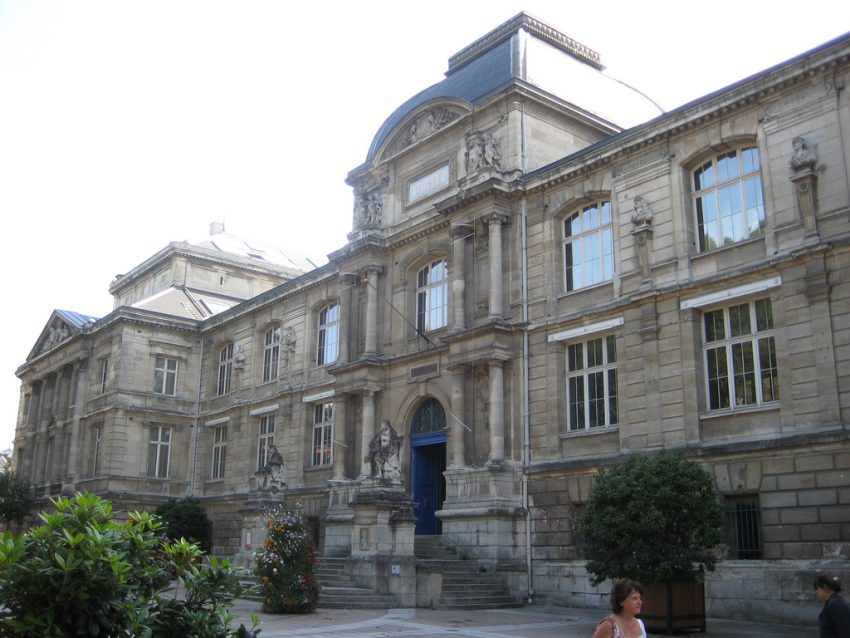
The Musée des Beaux-Arts de Rouen is one of those rare “regional” museums that doesn't feel regional at all once you step inside. Set on the Esplanade Marcel-Duchamp, just a short walk from Rouen's medieval lanes, it's a calm, gallery-lit counterpoint to the city's Gothic drama and half-timbered bustle, with collections that span from the Renaissance to modern art.
Whether you're a committed museum-goer or simply want a break between churches and cobbles, this spot is one of the top attractions in Rouen and slips perfectly into a walking tour of Rouen because it's central, rewarding, and easy to enjoy at your own pace.
Table of Contents
- History and Significance of the Musée des Beaux-Arts de Rouen
- Things to See and Do in the Musée des Beaux-Arts de Rouen
- How to Get to the Musée des Beaux-Arts de Rouen
- Practical Tips on Visiting the Musée des Beaux-Arts de Rouen
- Where to Stay Close to the Musée des Beaux-Arts de Rouen
- Is the Musée des Beaux-Arts de Rouen Worth Visiting?
- For Different Travelers
- FAQs for Visiting the Musée des Beaux-Arts de Rouen
- Nearby Attractions to the Musée des Beaux-Arts de Rouen
History and Significance of the Musée des Beaux-Arts de Rouen
Founded in the early 19th century, the Musée des Beaux-Arts de Rouen reflects the moment when French cities began building serious public collections outside Paris-places where art wasn't reserved for elites, but became part of civic identity. Over time, Rouen's museum grew into a major repository of European painting, bringing together works that trace shifting tastes, politics, and artistic revolutions across centuries.
The building itself is part of the experience. Its late-19th-century architecture gives the galleries a sense of ceremony-high walls, generous rooms, and a rhythm that encourages slow looking rather than rushing from label to label. A later renovation helped modernise the visitor flow while keeping the museum’s classic “grand gallery” feel intact.
What makes the museum especially significant for Rouen is how well it complements the city's broader cultural story. Rouen is often approached through its medieval and religious heritage, but the museum widens that lens, connecting Normandy to the broader currents of European art and ideas.
Things to See and Do in the Musée des Beaux-Arts de Rouen
Start with a simple strategy: pick one or two eras you’re genuinely curious about and let the rest be a bonus. The museum is strong enough that you can have an excellent visit without trying to “complete” it, and you’ll enjoy it more if you give yourself permission to linger in a few rooms rather than speed-running the entire building.
If you like the idea of following artistic influence, look for the way techniques and moods shift from Renaissance clarity to Baroque drama, then into the light-and-colour experiments of later centuries. Even without deep art history knowledge, you’ll notice how faces, fabrics, and landscapes start to feel less like documentation and more like emotion.
Temporary exhibitions are often where the museum feels most alive, because they pull fresh themes into a familiar collection. If you’re visiting with mixed interests in your group, a temporary show can be the easiest way to find a shared “hook,” then you can fan out into the permanent galleries afterwards.
Before you leave, take a few minutes to reset your eyes. After concentrated gallery time, stepping back out into Rouen’s streets makes the city feel sharper-colours brighter, stonework more textured, and the pace of the day more deliberate.
How to Get to the Musée des Beaux-Arts de Rouen
Most international visitors reach Rouen via Paris, typically flying into Paris Charles de Gaulle (CDG) or Paris Orly (ORY). For the best deals and a seamless booking experience, check out these flights to Rouen on Booking.com. From there, Rouen is straightforward to reach by onward transport, making the museum an easy cultural add-on even if you’re doing Normandy as a short break.
Trains from Paris Saint-Lazare to Rouen Rive Droite are a common option, and from the station you can walk to the museum or use local public transport for a shorter hop. You can use SNCF Connect to check schedules, compare routes, and purchase tickets for National (SNCF ) and regional trains (TER). For a more streamlined experience, we recommend using Omio, which allows you to easily compare prices, schedules, and book tickets for both National and Regional travel across all of Europe, all in one place. If you're already in central Rouen, the museum is easily reached on foot from the cathedral quarter or Place du Vieux-Marché.
If you’re driving, use a central car park and plan to walk the final stretch, since the historic centre is best experienced on foot and parking right beside major sights can be limited. If you are looking to rent a car in France I recommend having a look at Discover Cars, first, as they compare prices and review multiple car rental agencies for you.
Practical Tips on Visiting the Musée des Beaux-Arts de Rouen
- Entrance fee: Free admission to the permanent collections.
- Opening hours: Daily: 10:00 – 18:00; Closed on Tuesdays
- Official website: https://mbarouen.fr/fr
- Best time to visit: Weekday mornings tend to feel calmer, which makes it easier to linger with major works without a sense of crowd pressure. If the weather turns rainy or cold, it’s also one of Rouen’s best “save the day” stops because you can comfortably spend a couple of hours indoors.
- How long to spend: Two hours is a strong “sweet spot” that lets you see highlights without fatigue. If you love art or want to include a temporary exhibition, plan closer to three hours and build in a short break to keep your focus fresh.
- Accessibility: Expect a conventional museum layout with indoor galleries and a predictable visitor route, but historic buildings can involve occasional level changes. If mobility is a concern, check the museum’s accessibility notes in advance and prioritise a highlights-based route rather than trying to cover every room.
- Facilities: You’ll typically find essentials like restrooms and visitor services that make a longer visit comfortable. It’s a good place to pause mid-day and reset before continuing your route through Rouen’s historic streets.
Where to Stay Close to the Musée des Beaux-Arts de Rouen
For a culture-heavy itinerary, the best area to base yourself is central Rouen between the cathedral quarter and the historic core, so you can walk to museums, churches, and the Old Market area with minimal planning; if your main focus is day trips and fast station access, staying closer to Rouen Rive Droite can be practical, but you'll give up some evening atmosphere in the oldest streets.
For a central, high-comfort option that keeps you walk-close to major sights and an easy stroll to the museum, consider Hôtel de Bourgtheroulde, Autograph Collection. If you want a dependable base that works well for a packed sightseeing schedule, Mercure Rouen Centre Cathédrale is a convenient choice. For a modern stay with straightforward access to the centre, Radisson Blu Hotel, Rouen Centre is another practical option.
Is the Musée des Beaux-Arts de Rouen Worth Visiting?
Yes, especially if you want to add depth to a Rouen trip that might otherwise be dominated by medieval architecture and Joan of Arc landmarks. The museum offers a genuinely substantial collection in a setting that encourages slow, thoughtful browsing rather than a rushed checklist visit.
It’s also a strong choice if you’re balancing different interests in your group. Even travellers who “aren’t museum people” often enjoy it here because the galleries are approachable, central, and easy to shape into a visit that matches your energy level.
What Other Travellers Say...

Musée des Beaux-Arts de Rouen, on Esplanade Marcel Duchamp, houses an important collection from the 15th century onward with notable Impressionist works including Monet's Rouen Cathedral and pieces by Renoir, Lebourg, Corot and Daubigny, plus highlights like Caravaggio's Christ at the Column; the museum spans two floors with a striking ground‑floor hall featuring large works by Dufy, clear maps and seating in many rooms so you can take your time, and visitors praise its calm, well‑lit galleries, friendly staff and free general admission, while some special exhibitions may require a fee.


For Different Travelers
Families with Kids
For families, the best approach is to keep the visit playful and selective. Choose a few rooms with visually dramatic works-bold colours, strong contrasts, expressive faces-then turn it into a simple “find and tell” game where kids pick a favourite painting and describe what they think is happening.
Plan for short bursts of looking rather than one long push through the entire museum. A solid family visit can be 60-90 minutes with a clear end point and a reward afterwards, like a snack stop back in the old town.
Couples & Romantic Getaways
For couples, the museum is an easy way to slow the pace of a Rouen trip and create a quieter shared experience between busy sightseeing stops. It's especially good if you like wandering without a strict agenda, letting certain works pull you into longer conversations or moments of silence.
Pair it with a gentle post-museum walk through Rouen’s historic centre. After an hour or two of galleries, the city’s streets feel more cinematic-textures, light, and colour stand out in a way they often don’t when you’re rushing.
Budget Travelers
This is one of the best value cultural stops in Rouen because you can get a high-quality museum experience without needing to build your day around paid attractions. It also makes an excellent “weather-proof” plan that doesn't force you into expensive indoor alternatives.
To keep costs low and energy high, combine the museum with free walking highlights: cathedral exteriors, historic streets, and the Old Market square. You'll get a full day's worth of Rouen atmosphere with minimal spending.
History Buffs
History-focused travellers will appreciate how the collection provides context beyond Rouen’s medieval streets. Paintings and objects from different centuries can make the city’s broader timeline feel more tangible, especially when you’re comparing styles and subjects that reflect shifting power, religion, and everyday life.
Use the museum as a way to broaden Normandy's story beyond the big headline sites. Even if you're primarily in Rouen for Gothic architecture or Joan of Arc history, the museum adds European perspective and helps place the city within wider cultural currents.
FAQs for Visiting the Musée des Beaux-Arts de Rouen
Getting There
Tickets & Entry
Visiting Experience
Tours, Context & Itineraries
Photography
Accessibility & Facilities
Food & Breaks Nearby
Safety & Timing
Nearby Attractions to the Musée des Beaux-Arts de Rouen
- Rouen Cathedral: A monumental Gothic landmark with a façade that rewards revisiting in different light.
- Rue du Gros-Horloge: A classic pedestrian street where Rouen's famous clock arch anchors the city's historic shopping spine.
- Place du Vieux-Marché: A powerful Joan of Arc site that's also one of Rouen's liveliest squares for cafés and atmosphere.
- Église Saint-Maclou: A richly detailed Gothic church surrounded by some of Rouen’s most characterful medieval lanes.
- Aître Saint-Maclou: An unusual historic courtyard with a distinctive atmosphere that feels unlike anywhere else in the city.
The Musée des Beaux-Arts appears in our Complete Guide to Visiting Rouen!

Moira & Andy
Hey! We're Moira & Andy. From hiking the Camino to trips around Europe in Bert our campervan — we've been traveling together since retirement in 2020!
This website uses affiliate links which may earn a commission at no additional cost to you!
Planning Your Visit
Daily: 10:00 - 18:00; Closed on Tuesdays
Free admission to the permanent collections.
Nearby Attractions
- Musée Le Secq des Tournelles (0.1) km
Museum - Palais de Justice de Rouen (0.1) km
Historic Building - Place du Général-de-Gaulle (0.3) km
Square - Muséum d’Histoire Naturelle de Rouen (0.4) km
Museum - Rue du Gros-Horloge (0.4) km
Historic Site and Street - Gros-Horloge (0.4) km
Tower - Église Saint-Ouen (0.4) km
Abbey - Place du Vieux-Marche (0.5) km
Square - Historial Jeanne d’Arc in Rouen (0.5) km
Museum - Église Sainte-Jeanne-d'Arc (0.5) km
Church