Musée de l’Hospice Comtesse, Lille
Museum in Lille
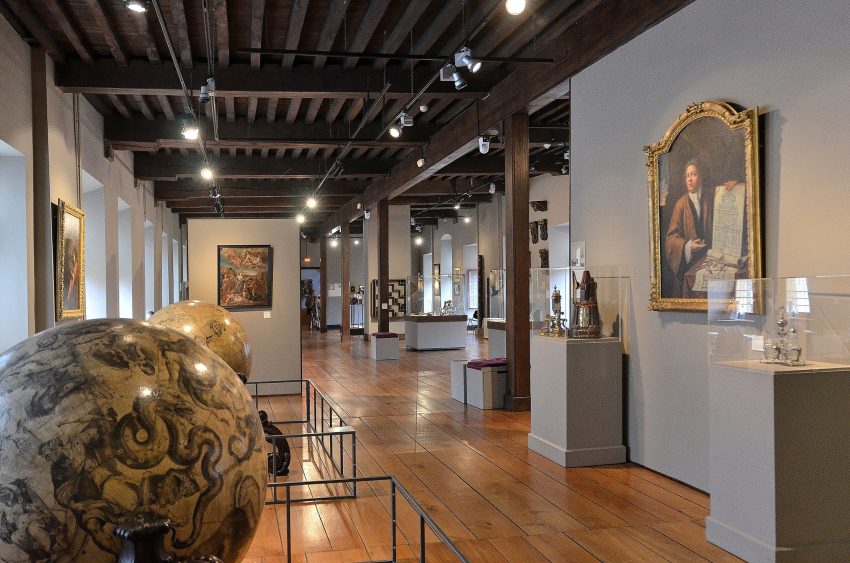
The Musée de l'Hospice Comtesse is one of the most evocative places in Lille, a museum where history, architecture, and daily life come together in a beautifully preserved setting. Founded in 1237 by Joan of Constantinople, Countess of Flanders, the former hospital complex still conveys the quiet dignity of its medieval origins, making it one of the must-see places in Lille for visitors drawn to historic architecture and cultural heritage. Tucked within Old Lille, it instantly transports you into another era with its cloistered courtyards, timber-framed galleries, and vaulted spaces.
Inside, the museum feels like a living time capsule. Restored rooms recreate the daily rhythms of 17th- and 18th-century hospital life, while collections of art, ceramics, tapestries, and religious objects paint a vivid portrait of the city's past. From its reconstructed chapel to its old apothecary, the Hospice Comtesse offers an intimate and immersive journey into centuries of local history. It is often visited on walking tours of Lille thanks to its central location and atmospheric charm.
Table of Contents
- History and Significance of Musée de l’Hospice Comtesse
- Things to See and Do in Musée de l’Hospice Comtesse
- How to Get to Musée de l’Hospice Comtesse
- Practical Tips on Visiting Musée de l’Hospice Comtesse
- Where to Stay close to Musée de l’Hospice Comtesse
- Is Musée de l’Hospice Comtesse Worth Visiting?
- FAQs for Visiting Musée de l’Hospice Comtesse
- Nearby Attractions to Musée de l’Hospice Comtesse
History and Significance of Musée de l’Hospice Comtesse
The story of the Hospice Comtesse begins in 1237, when Joan of Constantinople founded a hospital to care for Lille’s most vulnerable citizens. Originally staffed by nuns, the hospital served both spiritual and medical functions, operating as a place of healing, devotion, and refuge. Over the centuries, successive renovations and expansions shaped the complex into the arrangement of courtyards, brick façades, and stone buildings that visitors experience today.
While the oldest structures date back to the Middle Ages, much of what survives today reflects the 17th and 18th centuries, when the hospital was modernised and expanded. The layout of living quarters, hospital rooms, workspaces, and the chapel reveal the intertwined nature of medical care and religious life in early modern Flanders. After the French Revolution, the institution underwent further changes until it was eventually transformed into a museum, preserving both its architectural legacy and its social history.
Designated a historic monument, the Hospice Comtesse stands as one of the best places to visit in Lille for those wanting to understand how care, community, and spirituality shaped the city's identity. Its unique combination of hospital, convent, and Flemish townhouse forms makes it one of Lille's most culturally meaningful sites.
Things to See and Do in Musée de l’Hospice Comtesse
Visitors can explore a rich sequence of restored interiors, each offering a window into different aspects of hospital life. The old apothecary is a highlight, filled with ceramic jars and period furnishings that recreate the look and feel of early medical practice. The chapel, with its devotional artwork and atmospheric architecture, evokes the spiritual dimension of the hospital’s mission.
The living quarters and communal rooms-furnished with period tapestries, furniture, and everyday objects-convey a vivid sense of the rhythms of monastic life. Wandering through the cloister and its surrounding buildings, you feel the layers of time preserved in each timber beam and vaulted ceiling.
The museum's temporary exhibitions add a contemporary dimension, ranging from local heritage themes to regional artists. Whether exploring independently or as part of a guided route, it is a great place to visit on a walking tour of Lille for anyone wanting to deepen their experience of Old Lille's historic fabric.
How to Get to Musée de l’Hospice Comtesse
The museum is located in the heart of Old Lille, making it easy to reach on foot from most central landmarks. The nearest major airport is Lille Airport, which offers convenient transport into the city via shuttle or taxi. For the best deals and a seamless booking experience, check out these flights to Lille on Booking.com. If you are arriving by train, both Lille-Flandres and Lille-Europe stations are within walking distance or a short bus or metro ride from the museum. You can use SNCF Connect to check schedules, compare routes, and purchase tickets for National (SNCF ) and regional trains (TER). For a more streamlined experience, we recommend using Omio, which allows you to easily compare prices, schedules, and book tickets for both National and Regional travel across all of Europe, all in one place. Travelling by car is possible, with several parking garages located around Vieux-Lille, though navigating the narrow streets can be challenging. If you are looking to rent a car in France I recommend having a look at Discover Cars, first, as they compare prices and review multiple car rental agencies for you.
Local buses, metro lines, and nearby bike stations also provide simple and efficient connections throughout the city.
Practical Tips on Visiting Musée de l’Hospice Comtesse
- Suggested tips: Arrive early to enjoy the courtyards in quiet morning light.
- Best time to visit: Weekday mornings or late afternoons for a peaceful experience.
- Entrance fee: Typically modest; check for current rates.
- Opening hours: Open most days; closed on some holidays.
- Official website: Refer to Lille’s museum network for updated details.
- How long to spend: One to one and a half hours is ideal.
- Accessibility: Some areas may have uneven steps or narrow passages due to the historic layout.
- Facilities: Restrooms and a small gift shop are available.
- Photography tip: The cloister is perfect for capturing the museum’s medieval atmosphere.
- Guided tours: Offered occasionally, focusing on history and architecture.
- Nearby food options: Numerous cafés and restaurants can be found throughout Old Lille.
Where to Stay close to Musée de l’Hospice Comtesse
Staying in Old Lille places you at the doorstep of the museum and within walking distance of many key sights. For a refined stay near historic streets, consider Hôtel Carlton Lille, offering elegant rooms in the city centre. Travellers seeking proximity and modern comforts might enjoy OKKO Hotels Lille Centre, while boutique lovers could opt for Hôtel Kanaï, which provides charm and convenience near shopping and dining.
Is Musée de l’Hospice Comtesse Worth Visiting?
The Musée de l'Hospice Comtesse is absolutely worth visiting, especially for travellers who appreciate intimate museums rich in atmosphere and storytelling. Its beautifully restored medieval and early modern spaces offer a rare glimpse into centuries of care, spirituality, and daily life in Lille. Whether you're here for the architecture, the collections, or simply the quiet beauty of the cloister, it's one of the city's most rewarding cultural experiences.
What Other Travellers Say...

Musée de l'Hospice Comtesse at 32 Rue de la Monnaie is a former hospice turned museum where well-preserved living quarters, original furnishings and period art sit within attractive architecture; visitors praise its affordable admission, friendly staff and clear multilingual information, note interesting permanent collections and rotating contemporary-themed temporary exhibitions, and mention helpful digital info points, occasional closed spaces (such as the chapel), a projection-based room offering a modern touch, and an overall welcoming, compact museum experience in Lille.


FAQs for Visiting Musée de l’Hospice Comtesse
Nearby Attractions to Musée de l’Hospice Comtesse
- Vieux-Lille Streets - Narrow medieval lanes filled with boutiques and cafés.
- Cathédrale Notre-Dame-de-la-Treille - A striking mix of Gothic revival and modern architecture.
- Grand’Place - The central square framed by historic façades and lively terraces.
- Vieille Bourse - A 17th-century Flemish Renaissance courtyard and cultural hub.
- Saint-André Church - A large 18th-century church known for its classical interior.
The Musée de l’Hospice Comtesse appears in our Complete Guide to Visiting Lille!

Moira & Andy
Hey! We're Moira & Andy. From hiking the Camino to trips around Europe in Bert our campervan — we've been traveling together since retirement in 2020!
This website uses affiliate links which may earn a commission at no additional cost to you!
Planning Your Visit
Monday from 2:00 p.m. to 6:00 p.m.
Wednesday to Sunday from 10:00 a.m. to 6:00 p.m.
Closed Monday morning, all day Tuesday and some public holidays.
Temporary exhibition: €6
Nearby Attractions
- Lille Cathedral (0.1) km
Cathedral - Chamber of Commerce (0.4) km
Historic Building - Opéra de Lille (0.4) km
Opera House - Vieille Bourse (0.5) km
Historic Building - Place du Général-de-Gaulle (0.5) km
Square - Maison Natale Charles de Gaulle (0.6) km
Historic Building - St. Maurice Church (0.7) km
Church - Gare de Lille Flandres (0.7) km
Historic Building - Rue de Béthune (0.8) km
Street - Préfecture de Lille (0.9) km
Historic Building