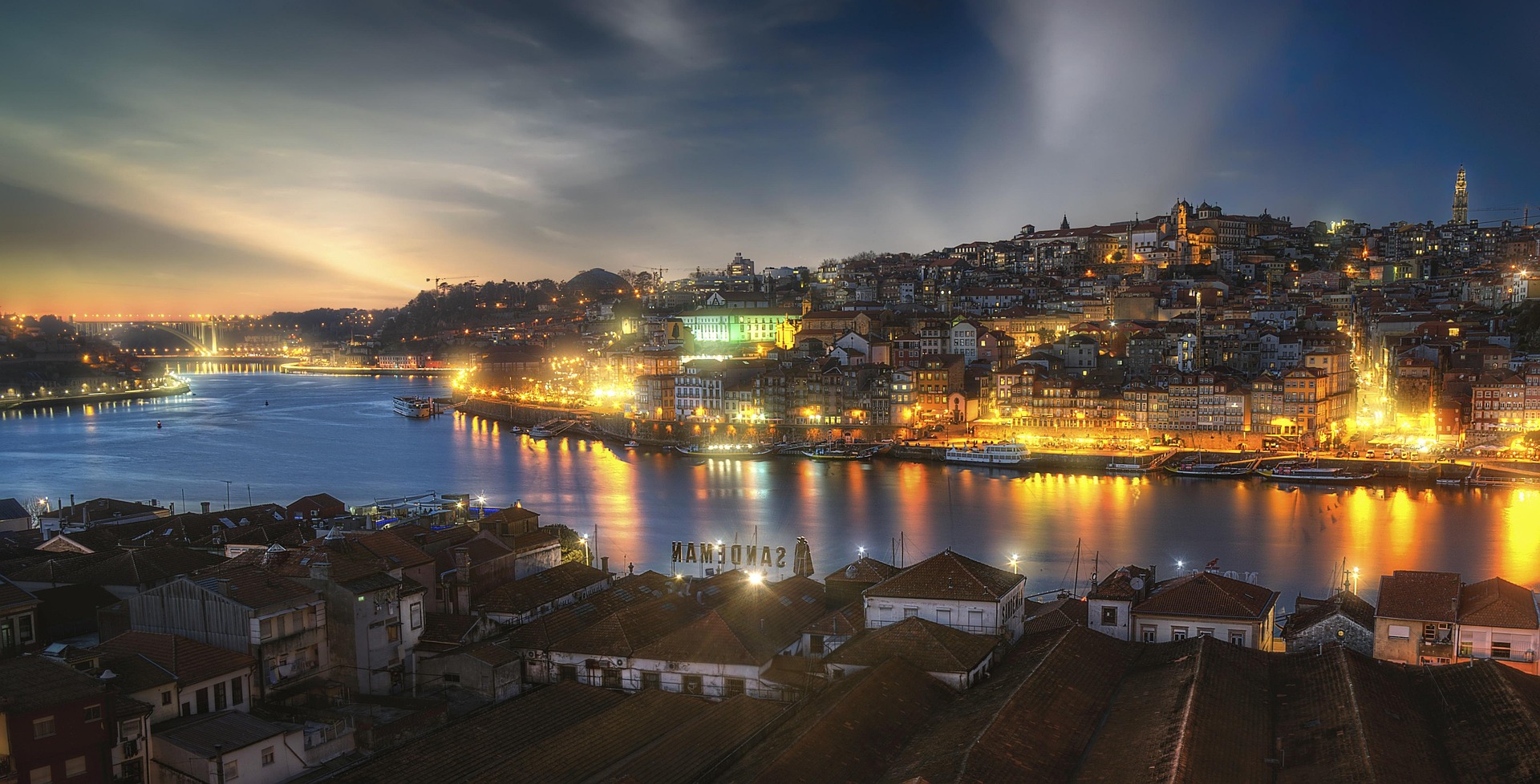
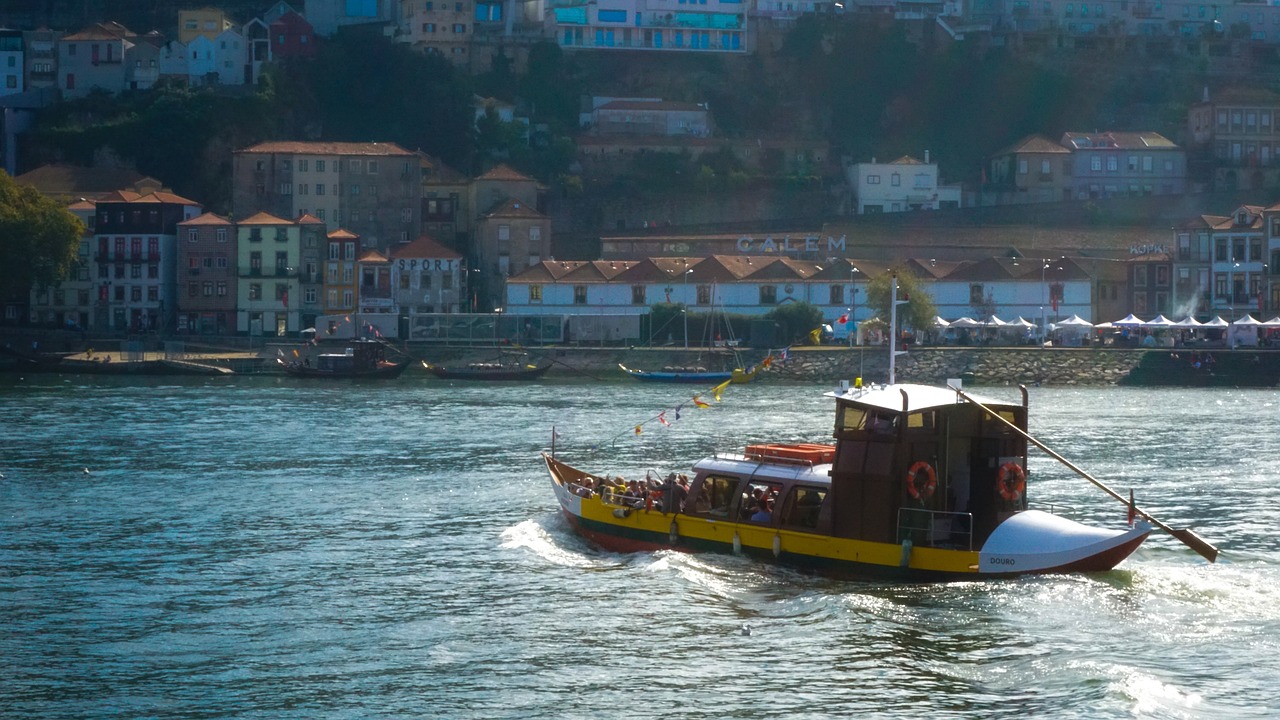
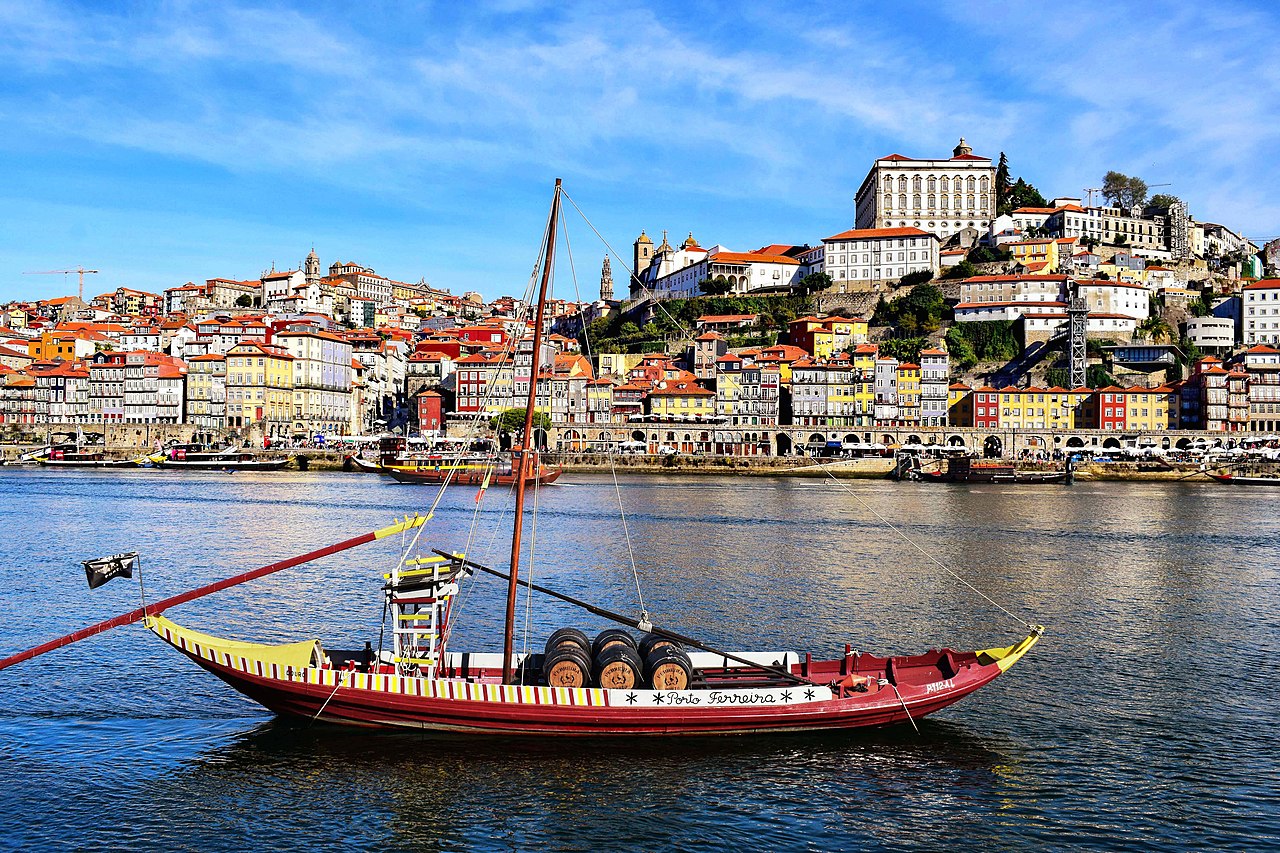
Muralhas de D. Fernando, Porto
City Walls in Porto
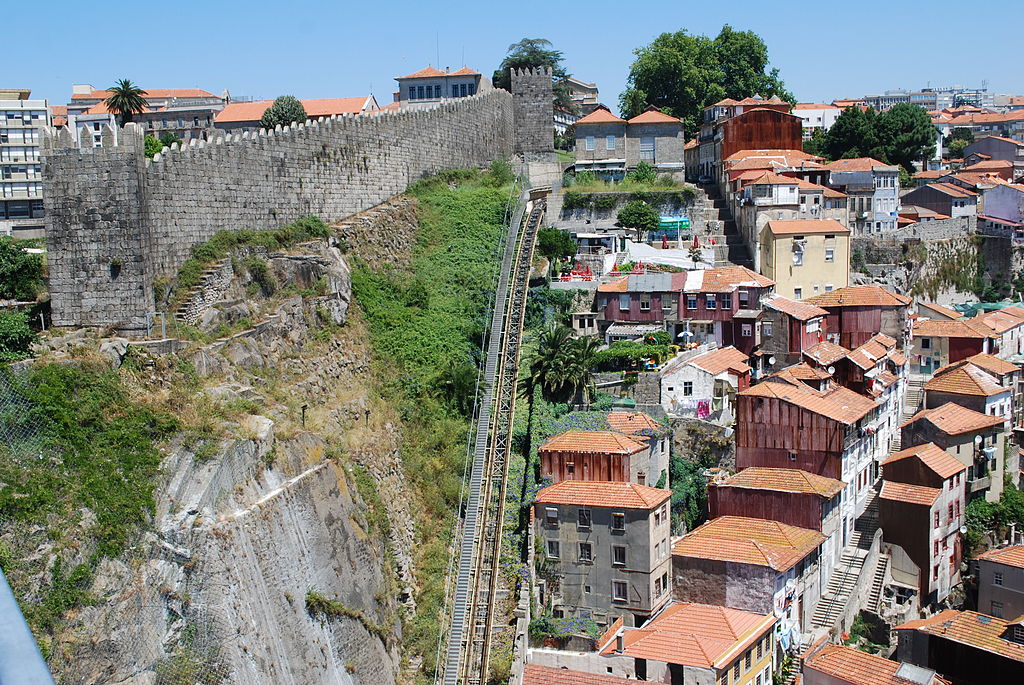
Porto's Fernandine Walls are one of those sights you don't always “visit” in a single moment, because they appear in fragments across the historic center. That's part of the charm: you're walking through modern streets and suddenly there's a surviving stretch of medieval fortification, a gate, or a tower that reminds you how tightly the city once had to protect itself. For many travelers, tracking down the best sections becomes one of the must-see places in Porto because it adds a tangible layer to everything else you're seeing nearby.
The walls also fit naturally into a day on foot, since the most accessible remnants sit close to Ribeira and the slopes rising toward the upper city. They are often visited on walking tours of Porto, but they work just as well for independent exploring if you like building your own route from viewpoint to viewpoint.
Table of Contents
- History and Significance of the Muralhas de D. Fernando
- Things to See and Do in the Muralhas de D. Fernando
- How to Get to the Muralhas de D. Fernando
- Practical Tips on Visiting the Muralhas de D. Fernando
- Where to Stay close to the Muralhas de D. Fernando
- Is the Muralhas de D. Fernando Worth Visiting?
- FAQs for Visiting Muralhas de D. Fernando
- Nearby Attractions to the Muralhas de D. Fernando
History and Significance of the Muralhas de D. Fernando
The Fernandine Walls were built in the mid-14th century when Porto expanded beyond its earlier Roman-era and “primitive” fortifications, known as the Cerca Velha. Construction began under King Afonso IV and was completed under King Fernando I, whose name the walls carry today, creating a new defensive ring intended to enclose and protect the growing historic center.
At their height, the walls formed a perimeter of roughly 2.6 kilometers, rising close to 10 meters in places and reinforced with towers and battlements. Several gates once controlled access in and out of the city, regulating movement and trade as Porto’s riverfront and hillside neighborhoods developed within the enclosed space.
By the 18th century, Porto’s growth pushed beyond the walls again, and large sections were dismantled as the city modernized and expanded. What survives today is especially valuable because it helps you read the old city’s boundaries, and it connects major landmarks to a deeper urban story of defense, commerce, and everyday life along the Douro.
Things to See and Do in the Muralhas de D. Fernando
Start with the Postigo do Carvão (Carvão Gate), the last remaining gate of the old wall system. Its location near Ribeira makes it easy to fold into a riverfront walk, and it's an excellent place to imagine how supplies once entered the city, especially coal, which gave the gate its name.
A short walk away, look for the Torre do Barredo, one of the most visible surviving defensive elements in the area. It's a rewarding stop because it feels embedded in the neighborhood rather than isolated as a standalone monument, and it helps you picture the vertical, layered character of medieval Porto.
For the most dramatic surviving stretch of wall, head to the Trecho dos Guindais, the section between the Convent of Santa Clara and the Dom Luís I Bridge. This is the part that feels most like “real walls,” with a longer preserved run and strong views, and it pairs perfectly with a walk near the Funicular dos Guindais so you can connect the waterfront level with the upper city without exhausting climbs.
How to Get to the Muralhas de D. Fernando
Because the surviving sections are spread across the historic center, the simplest approach is to pick a starting point and walk between remnants. Ribeira is a practical base for reaching the Postigo do Carvão and the Torre do Barredo, while the upper city side near the cathedral area makes it easier to reach the Trecho dos Guindais and the viewpoints near the Dom Luís I Bridge.
Porto's Francisco Sá Carneiro Airport (OPO) is the nearest airport for arrivals into the city. For the best deals and a seamless booking experience, check out these flights to Porto on Booking.com. If you arrive by rail, São Bento Station is the most convenient train hub for starting a walking route into the historic center and down toward Ribeira. Train schedules and bookings can be found on Omio.
If you're travelling by car, it's best to park outside the tight historic streets and continue on foot, as access and parking near Ribeira can be slow and limited. If you are looking to rent a car in Portugal I recommend having a look at Discover Cars, first, as they compare prices and review multiple car rental agencies for you.
Practical Tips on Visiting the Muralhas de D. Fernando
- Suggested tips: Treat this as a short self-guided “walls trail” rather than a single stop, and plan your route to avoid repeating steep climbs.
- Best time to visit: Early morning for quieter streets around Ribeira, or late afternoon for softer light and better photos near the Guindais stretch.
- Entrance fee: Free.
- Opening hours: Always open (outdoor public areas).
- How long to spend: 60-120 minutes to see the main remnants, longer if you combine it with viewpoints and riverside stops.
- Accessibility: Expect uneven paving, steps, and steep lanes in places; choose the riverside remnants for flatter walking and use the funicular area to manage elevation.
- Facilities: No dedicated facilities at the wall remnants, but you're close to cafés, shops, and restrooms in Ribeira and the city center.
- Photography tip: For the best sense of scale, photograph the wall sections with people in frame, and use the bridge and river as a backdrop where possible.
- Guided tours: If you want context without planning a route, choose a historic-center walking tour that includes Ribeira and the Guindais area so the wall remnants make narrative sense.
- Nearby food options: Ribeira is ideal for a break between remnants, while the upper city streets near the cathedral side often have quieter cafés away from the busiest terraces.
Where to Stay close to the Muralhas de D. Fernando
Staying near Ribeira or the lower historic center makes it easiest to reach the best-preserved remnants on foot, and it keeps you close to the riverfront where routes feel flatter and more relaxed. If you prefer a slightly quieter base, choose a central-but-not-riverside location so you can still walk to the walls while avoiding the loudest evening crowds.
For a convenient base near Ribeira, consider The Editory House Ribeira Porto Hotel. For a more boutique-style stay close to the river and historic streets, Gran Cruz House. If you want something practical and central with easy walking access downhill to the remnants, Moov Hotel Porto Centro is also well placed.
Is the Muralhas de D. Fernando Worth Visiting?
Yes, especially if you enjoy seeing how a city’s history is stitched into the streets rather than confined to a single monument. The Fernandine Walls add context to Porto’s layout, explaining why certain lanes feel enclosed, why viewpoints open where they do, and how the riverfront once functioned as a controlled edge of the city.
They're also a high-value stop because you can combine them with major sights you're already visiting. If you're heading to Ribeira, the Dom Luís I Bridge, or the Guindais area, the walls give you an extra layer of meaning with very little extra effort.
What Other Travellers Say...

Muralhas Fernandinas do Porto, at Escadas do Caminho Novo 17, are sections of medieval stone walls and towers that once fortified the city and now offer scenic views over Porto and the Douro; visitors note impressive, well‑preserved stretches near the Luís I Bridge that contrast with the modern streets, provide good photo opportunities, and blend into the cityscape, while others describe quiet green spots, graffiti art reading “Porto,” and short walks with some stairways that can lead back down unexpectedly.


FAQs for Visiting Muralhas de D. Fernando
Nearby Attractions to the Muralhas de D. Fernando
- Dom Luís I Bridge: An iconic crossing with panoramic views that pairs naturally with the Guindais wall section.
- Funicular dos Guindais: A short scenic ride that helps you move between the riverside and upper city near the preserved walls.
- Praça da Ribeira: The riverside heart of Porto for classic waterfront atmosphere and an easy starting point for the Carvão Gate area.
- Porto Cathedral (Sé do Porto): A landmark hilltop cathedral that adds medieval context and sweeping city views close to the upper remnants.
- Church of São Francisco: A Gothic church renowned for its richly decorated interior and proximity to Ribeira routes.
The Muralhas de D. Fernando appears in our Complete Guide to Visiting Porto!

Moira & Andy
Hey! We're Moira & Andy. From hiking the Camino to trips around Europe in Bert our campervan — we've been traveling together since retirement in 2020!
This website uses affiliate links which may earn a commission at no additional cost to you!
Planning Your Visit
Always open (outdoor public areas).
Free.
Nearby Attractions
- Funicular dos Guindais (0.1) km
Railway - Dom Luís I Bridge (0.2) km
Bridge - Porto Cathedral (0.2) km
Cathedral - Praça da Ribeira (0.3) km
Square - Serra do Pilar Monastery (0.4) km
Monastery - Calém Wine Cellars (0.4) km
Wine Cellar - Casa do Infante (0.4) km
Historic Building - Casa do Infante (0.4) km
Museum - Jardim do Morro (0.4) km
Gardens and Viewing Point - São Bento Railway Station (0.5) km
Railway