Mount Etna, Catania
Natural Phenomenon near Catania
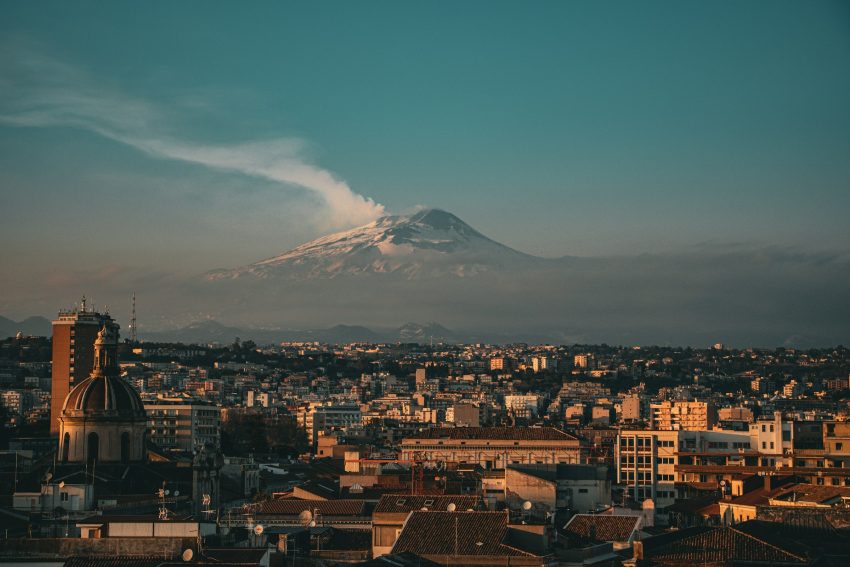
Mount Etna is the kind of place that recalibrates your sense of scale: a vast, living volcanic landscape where black lava deserts, soft ash slopes, and jagged cones sit under a sky that can change mood by the hour. Even if you don't chase the summit, a day trip lets you get close enough to feel the geology under your boots and see how quickly this mountain rewrites itself.
For most travelers, the sweet spot is the south side at Rifugio Sapienza (Etna Sud): it's the most straightforward base for a “maximum views, minimum stress” visit, with easy access to short crater walks, viewpoints, and the cable car that lifts you into the high-altitude scenery. It also pairs naturally with a walking tour in Catania-Etna is the dramatic backdrop to the city's baroque streets, markets, and lava-stone architecture, so seeing both in one trip makes the whole region click.
Table of Contents
- History and Significance of the Mount Etna
- Things to See and Do in the Mount Etna
- How to Get to the Mount Etna
- Practical Tips on Visiting the Mount Etna
- Where to Stay Close to the Mount Etna
- Is the Mount Etna Worth Visiting?
- For Different Travelers
- FAQs for Visiting Mount Etna
- Nearby Attractions to Mount Etna
History and Significance of the Mount Etna
Mount Etna has been shaping life in eastern Sicily for millennia, not just through eruptions but through the quieter, long-term work of making land. Old lava flows become new soils, vineyards and orchards take hold, and towns adapt their building traditions to what the volcano provides-especially dark basalt stone that gives many local streets and facades their distinctive look.
Etna is also a cultural landmark as much as a natural one. Generations of residents have treated it as a presence to respect and read: the weather changes it triggers, the fertile slopes it creates, the occasional ash fall that dusts cars and balconies. That constant interaction is part of why a day trip feels more like visiting a living system than ticking off a viewpoint.
In modern times, Etna’s significance is tightly linked to safety management and responsible access. Conditions can shift quickly with wind, fog, snow, or volcanic activity, so the “rules of the mountain” are part of the experience-planning your route, checking updates, and choosing the right level of altitude for your comfort.
Things to See and Do in the Mount Etna
Start at Rifugio Sapienza with the low-effort, high-reward sights: short walks to nearby crater cones, lava fields that look freshly poured, and panoramic viewpoints that put the coastline in full view on clear days. It’s an ideal warm-up because you’ll immediately understand Etna’s scale without committing to a big hike.
For a classic day-trip upgrade, ride the Funivia dell’Etna to the upper station at 2,500 m, where the landscape turns more lunar-volcanic sand underfoot, sharper air, and a wider view over cones and ridgelines. If you want to go higher, choose an authorized guided excursion; above the regulated high zones, access rules and conditions matter more than fitness alone.
If you’re more into “Etna-by-taste” than altitude, build your day around the lower slopes: lava-formed scenery, small towns, and local food stops. This approach is especially satisfying in cooler months or when high winds make the upper mountain less comfortable, and it still feels unmistakably Etna.
How to Get to the Mount Etna
The nearest airport is Catania-Fontanarossa Airport, which is the most convenient gateway for a Mount Etna day trip from Catania. For the best deals and a seamless booking experience, check out these flights to Catania on Booking.com.
If you're arriving by rail, use Trenitalia to reach Catania Centrale, then connect onward by bus, tour, or rental car depending on your timing and how high you want to go. Use Omnio to easily compare schedules, book train tickets, and find the best prices all in one place for a hassle-free journey across Italy.
Public buses can work for an independent day trip, but they’re typically limited-frequency and create a fixed “up-and-back” schedule that can feel tight if you also want the cable car or a guided high-altitude add-on. If you’re set on doing it this way, plan the day around the bus rather than trying to squeeze Etna into a half-day.
Driving is the most flexible option for reaching Rifugio Sapienza, especially if you want to start early, linger for sunset light, or add a winery or small-town stop on the slopes. If you are looking to rent a car in Italy I recommend having a look at Discover Cars, first, as they compare prices and review multiple car rental agencies for you.
Practical Tips on Visiting the Mount Etna
- Entrance fee: Free to visit (optional cable car experiences start from €30).
- Opening hours: Daily: 08:30–16:00.
- Official website: https://parcoetna.it/
- Best time to visit: Late morning for clearer visibility on many days, or late afternoon for softer light-avoid windier peak hours if you’re going high.
- How long to spend: 5-8 hours for a comfortable day trip from Catania, depending on whether you add the cable car and a guided section.
- Accessibility: Rifugio Sapienza viewpoints and short walks are manageable for many visitors; high-altitude terrain is uneven and can be challenging even when it’s not steep.
- Facilities: Expect parking, snack bars, and rental options near the main departure areas; in colder months, assume fewer services and bring what you need.
Where to Stay Close to the Mount Etna
For the easiest day-trip logistics, base yourself in central Catania if your priority is culture and walkability, or choose the outskirts/north side of town if your trip is Etna-first and you want faster road access to the slopes.
Staying central keeps you close to restaurants, nightlife, and the city’s best evening atmosphere after your volcano day. Liberty Hotel is a polished, quiet base in the historic fabric, while Duomo Suites & Spa puts you right by the cathedral area for early starts and late strolls. If you want something sleek and well-positioned for transport links as well as sightseeing, Romano House is a strong middle ground.
Is the Mount Etna Worth Visiting?
Yes-decisively. Mount Etna delivers a rare mix: it's iconic, genuinely wild, and still surprisingly doable as a day trip, whether you keep it gentle at Rifugio Sapienza or push higher with a guided excursion. It's also one of those places that stays vivid in memory because the textures-ash, basalt, wind, light-feel unlike anywhere else in Europe.
Honest pivot: Skip it if you dislike unpredictable weather, crowds around cable car infrastructure, or you're expecting a guaranteed “summit crater” experience without a guide and flexible timing. If your Sicily trip is tight and you prefer cities, you may get more satisfaction doubling down on Catania and a coastal day (with better food-and-walking momentum) than forcing a volcano day you'll rush.
What Other Travellers Say...

Reviews highlight Mount Etna as a breathtaking, adventure-filled destination with spectacular volcanic landscapes, fresh air, and generally well-marked trails. Many appreciate the solid infrastructure, including the cable car and bus/jeep options, plus nearby places for food and souvenirs, and some recommend using a guide to find the best spots. Downsides mentioned include some areas near the base or cable car offering limited views, touristy shops that can feel like a time sink, and at least one report of a guide moving too fast for slower walkers, reducing the quality and perceived safety of the experience.


For Different Travelers
Families with Kids
Aim for the Rifugio Sapienza area and short crater walks first-kids usually love the black sand, cone shapes, and “space landscape” feeling without needing long hikes. If you use the cable car, treat it as the headline experience and keep the rest of the day unstructured so everyone stays warm, fed, and happy.
Couples & Romantic Getaways
Go later in the day for softer light and a more atmospheric feel, then return to Catania for a long dinner-Etna makes a perfect “shared wow” moment without being an all-day endurance test. If you're choosing between a higher-altitude tour and a slower itinerary, pick the one that matches your tolerance for cold and wind; romance fades fast when you're underdressed.
Budget Travelers
Etna can be very affordable if you treat it as a scenic and hiking day: focus on the free viewpoints and crater walks and bring your own snacks and water. If you splurge, spend on one thing that changes the experience (usually the cable car or a guided high-altitude section) rather than stacking multiple paid add-ons.
FAQs for Visiting Mount Etna
Getting There
Tickets & Entry
Visiting Experience
Tours, Context & Itineraries
Photography
Accessibility & Facilities
Food & Breaks Nearby
Safety & Timing
Nearby Attractions to Mount Etna
- Taormina - A scenic hill town with a famous Greek theatre and classic Ionian Sea views, easy to pair with Etna on a longer day.
- Gole dell’Alcantara - Basalt canyon scenery and short walks that feel like a geology “afterparty” to Etna.
- Cattedrale di Sant'Agata - Catania's cathedral centerpiece, best visited on foot in the early evening when the squares come alive.
- Castello Ursino - A compact castle-museum stop that adds historical texture to a Catania + Etna itinerary.
- Aci Trezza - A relaxed fishing village feel on the coast, great for a low-key sunset and seaside dinner after the volcano.
The Mount Etna appears in our Complete Guide to Visiting Catania!

Moira & Andy
Hey! We're Moira & Andy. From hiking the Camino to trips around Europe in Bert our campervan — we've been traveling together since retirement in 2020!
This website uses affiliate links which may earn a commission at no additional cost to you!
Planning Your Visit
Daily: 08:30-16:00.
Free to visit (optional cable car experiences start from €30).
Nearby Attractions
- Castello Normanno (25.9) km
Castle - Vico Orto Botanico (27.4) km
Attraction, Gardens and Street - Piazza Roma (27.6) km
Square - Catania’s City Hall (27.7) km
Historic Building and Town Hall - Spiaggia San Giovanni Licuti (27.7) km
Area and Beach - Fontana dei Malavoglia (27.8) km
Fountain, Monument and Sculpture - Villa Bellini (28.0) km
Attraction, Gardens and Park - Basilica Satuario del Carmine (28.1) km
Basilica, Church and Religious Building - Chiesa di San Biagio in Sant'Agata alla Fornace (28.3) km
Church, Historic Building and Religious Building - Statue of Vincenzo Bellini (28.3) km
Memorial, Sculpture and Statue