Monastery of Pedralbes, Barcelona
Historic Building, Historic Site and Monastery in Barcelona
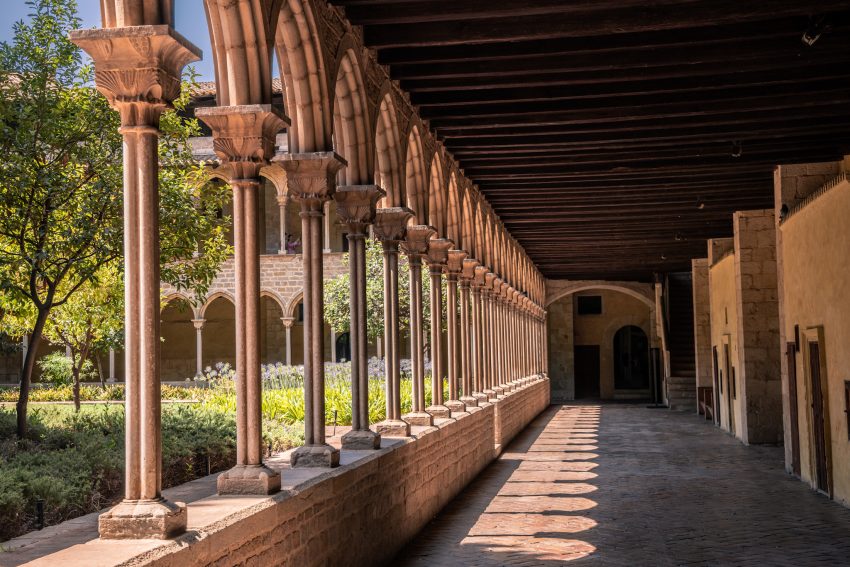
Tucked into the leafy Pedralbes neighborhood of Barcelona, the Monastery of Pedralbes is one of the city's most calming historic escapes: a Gothic monastery complex with a luminous cloister, quiet gardens, and museum rooms that reveal centuries of monastic life.
It's a rewarding stop if you want a slower, more reflective side of Barcelona, and it fits beautifully into a walking tour of Pedralbes or a “hidden gems” itinerary away from the busiest Gaudí corridors. The best places to linger are the multi-level cloister galleries, the garden views, and the small chapels where the atmosphere feels especially hushed.
Table of Contents
- History and Significance of the Monastery of Pedralbes
- Things to See and Do in the Monastery of Pedralbes
- How to Get to the Monastery of Pedralbes
- Practical Tips on Visiting the Monastery of Pedralbes
- Where to Stay Close to the Monastery of Pedralbes
- Is the Monastery of Pedralbes Worth Visiting?
- For Different Travelers
- FAQs for Visiting Monastery of Pedralbes
- Nearby Attractions to the Monastery of Pedralbes
History and Significance of the Monastery of Pedralbes
Founded in the early 14th century, the Monastery of Pedralbes was created as a royal and religious institution, and it still feels like a self-contained world: walls, courtyards, and cloistered spaces designed for contemplation. Its setting on the edge of the city helped preserve the sense of retreat that monastic communities sought.
Architecturally, it’s a standout example of Catalan Gothic that favors elegance over excess. Instead of overwhelming ornament, you’ll notice proportion, light, and craftsmanship: pointed arches, clean stone lines, and a cloister that invites slow walking and quiet observation.
Today, the monastery functions as a museum and heritage site, offering a rare, tangible look at enclosed life in medieval and early modern Barcelona. Visiting is less about “big-ticket spectacle” and more about stepping into a lived-in historical environment.
Things to See and Do in the Monastery of Pedralbes
Start with the cloister, the heart of the visit and the reason many travelers fall in love with this place. Walk all levels if you can: each gallery changes the perspective, and the upper walkways often feel especially tranquil.
Don’t skip the chapels and interior rooms that interpret daily life in the monastery. Even if you’re not usually a museum-exhibit person, the setting itself does much of the storytelling, and the quiet pace makes it easy to absorb details you’d miss in a crowded attraction.
If you enjoy photography, this is a dream for light-and-shadow compositions: arches, columns, garden geometry, and long corridors. For a deeper experience, pair your visit with a guided context walk through Pedralbes, then return to the cloister for a final slow lap.
How to Get to the Monastery of Pedralbes
Barcelona–El Prat Airport (BCN) is the closest major airport for most visitors, with Girona (GRO) and Reus (REU) sometimes used by low-cost carriers depending on your route. For the best deals and a seamless booking experience, check out these flights to Barcelona on Booking.com.
If you're arriving by train, Barcelona Sants is the main hub; from there, you can connect onward by metro, bus, or local rail to reach the Pedralbes area efficiently. Train schedules and bookings can be found on Omio.
Within the city, the easiest public-transport approach is usually via FGC to Reina Elisenda (a short walk uphill) or by bus lines that serve the Les Corts/Pedralbes area. If you’re traveling by car, aim for the Pedralbes neighborhood and plan for limited street parking on nearby residential roads. If you are looking to rent a car in Spain I recommend having a look at Discover Cars, first, as they compare prices and review multiple car rental agencies for you.
Practical Tips on Visiting the Monastery of Pedralbes
- Official website: https://www.monestirpedralbes.barcelona/
- Entrance fee: Adults: €5.20; Reduced: €3.70; Under 16: free; Free entry: first Sunday of the month and Sundays after 15:00.
- Opening hours: (Summer) April 1 – September 30; Tuesday – Friday: 10:00–17:00; Saturday: 10:00–19:00; Sunday: 10:00–20:00; Holidays: 10:00–14:00; Closed on Monday. (Winter) October 1 – March 31; Tuesday – Friday: 10:00–14:00; Saturday – Sunday: 10:00–17:00; Holidays: 10:00–14:00; Closed on Monday.
- Best time to visit: Go on a weekday morning for the quietest galleries and the most peaceful cloister walk. In warmer months, late afternoon can be lovely, but check seasonal closing times.
- How long to spend: Plan 60–90 minutes for a relaxed visit, or up to 2 hours if you like reading displays and photographing details. It’s an ideal half-day pairing with Pedralbes and Les Corts.
- Accessibility: The site is generally accessible, and visitors often note helpful staff and internal lifts, but the approach can involve sloped or uneven paths. If mobility is a concern, allow extra time and consider arriving by taxi for the closest drop-off.
- Facilities: Expect basic visitor amenities rather than a full-service museum complex; bring water, and plan your main meal before or after in nearby neighborhoods.
Where to Stay Close to the Monastery of Pedralbes
For most travelers, the best base is central Barcelona (Eixample) for easy transport connections and flexible sightseeing days.
If you want to be near Pedralbes specifically, you'll be in a quieter, greener part of the city with a more local feel and quick access to the monastery. For a classic, well-connected stay, Eixample keeps you close to major metro lines and makes it easy to combine Pedralbes with Gaudí sights, the Gothic Quarter, and the waterfront.
Hotel SOFIA Barcelona Chosen for its upscale comfort near Avinguda Diagonal and strong transport links toward Pedralbes.
NH Collection Barcelona Constanza A polished, reliable option in Les Corts with a modern feel and a practical location for reaching the monastery.
AC Hotel Victoria Suites by Marriott Included for its quieter residential setting and suite-style rooms that work well for longer stays.
Hilton Barcelona A convenient business-class pick with straightforward access to Diagonal and quick routes toward Pedralbes.
Hotel Gran Derby Suites Selected for boutique character and a calmer vibe while still being well positioned for citywide sightseeing.
Is the Monastery of Pedralbes Worth Visiting?
Yes, if you value atmosphere, history, and quiet beauty. The Monastery of Pedralbes is one of Barcelona's best places to slow down: the cloister is genuinely serene, the architecture is refined, and the overall experience feels uncrowded compared with the city's headline attractions.
Honest Pivot: if you’re short on time and mainly want “wow-factor” monuments or highly interactive exhibits, you may find it understated. It’s also not the best pick if you’re sensitive to occasional noise from school groups, since a single loud visit can break the calm.
What Other Travellers Say...

Google reviewers rate the Monastery of Pedralbes very highly overall, often describing it as tranquil, uncrowded, and ideal for a peaceful break from central Barcelona. Common highlights include the beautiful cloister, calming gardens, and the sense of history in the architecture and chapels. A few visitors note drawbacks such as occasional disruptive school groups, a less engaging museum-exhibit feel for some, and a slightly challenging approach path (sloped or uneven) despite generally good accessibility inside.


For Different Travelers
The Monastery of Pedralbes rewards visitors who enjoy unhurried exploration. It's less about ticking boxes and more about letting the space work its quiet magic.
Because it's outside the most tourist-saturated zones, it can also be a smart choice for travelers who want a more local-feeling day in Barcelona, especially when paired with nearby neighborhoods.
Families with Kids
Families who need space to decompress will appreciate the open, airy cloister and the calmer pace compared with central attractions. It can work well as a “reset stop” between busier sightseeing blocks.
That said, younger kids who need hands-on exhibits may lose interest if you try to cover every room. Keep it simple: focus on the cloister, a chapel, and one or two key interiors, then leave on a high note.
Couples & Romantic Getaways
This is an excellent couple’s visit for travelers who like quiet corners and beautiful architecture. The cloister walkways and garden views feel intimate, especially when it’s not crowded.
Pair it with a leisurely coffee or lunch nearby, or use it as a peaceful counterbalance to a packed Gaudí day. It’s the kind of place that invites slow conversation rather than rushing.
Budget Travelers
The monastery is a strong-value cultural visit, especially if you plan around free-entry windows. Even on paid days, it’s typically more affordable than many major attractions.
Budget travelers will also like that you can combine it with low-cost neighborhood wandering rather than paid “must-see” circuits. Bring snacks and water and treat it as a calm, low-spend half-day.
History Buffs
History lovers will get the most out of the monastery’s sense of continuity: spaces designed for daily routines, not just display. The architecture and layout help you imagine how the community lived and moved through the site.
To deepen the visit, read up briefly on Catalan Gothic and monastic life before you go, then take your time in the quieter rooms. The reward here is context and detail, not spectacle.
FAQs for Visiting Monastery of Pedralbes
Getting There
Tickets & Entry
Visiting Experience
Tours, Context & Itineraries
Photography
Accessibility & Facilities
Food & Breaks Nearby
Safety & Timing
Nearby Attractions to the Monastery of Pedralbes
- Parc de Cervantes: A spacious garden park known for its rose displays and relaxed paths.
- Avinguda Diagonal: Barcelona’s grand boulevard for shopping, architecture, and easy cross-city connections.
- Camp Nou (FC Barcelona area): A major football landmark and museum experience for sports fans.
- CosmoCaixa Barcelona: A highly regarded science museum that's great for families and curious adults.
- Collserola Natural Park: A green escape with viewpoints and trails above the city.
The Monastery of Pedralbes appears in our Complete Guide to Visiting Barcelona!

Moira & Andy
Hey! We're Moira & Andy. From hiking the Camino to trips around Europe in Bert our campervan — we've been traveling together since retirement in 2020!
This website uses affiliate links which may earn a commission at no additional cost to you!
Planning Your Visit
(Summer) April 1 - September 30; Tuesday - Friday: 10:00-17:00; Saturday: 10:00-19:00; Sunday: 10:00-20:00; Holidays: 10:00-14:00; Closed on Monday.
(Winter) October 1 - March 31; Tuesday - Friday: 10:00-14:00; Saturday - Sunday: 10:00-17:00; Holidays: 10:00-14:00; Closed on Monday.
Adults: €5.20; Reduced: €3.70; Under 16: free; Free entry: first Sunday of the month and Sundays after 15:00.
Nearby Attractions
- Güell Pavilions (0.9) km
Historic Building - Col·legi de les Teresianes (1.8) km
Attraction, Historic Building and Notable Building - Bellesguard (1.9) km
Attraction, Castle and Historic Building - CosmoCaixa Museum of Science (2.4) km
Attraction and Museum - Casa Vicens Gaudí (3.3) km
Attraction, Historic Building and Museum - Arenas de Barcelona (3.8) km
Bullring, Shopping Centre and Viewing Point - Gaudí Experiència (3.9) km
Attraction - Park Güell (3.9) km
Park - Fira de Barcelona (3.9) km
Arts Venue, Attraction and Fair - Casa Museu Gaudí (4.0) km
Museum