Monasterio de San Paio de Antealtares, Santiago de Compostela
Church, Monastery and Museum in Santiago de Compostela
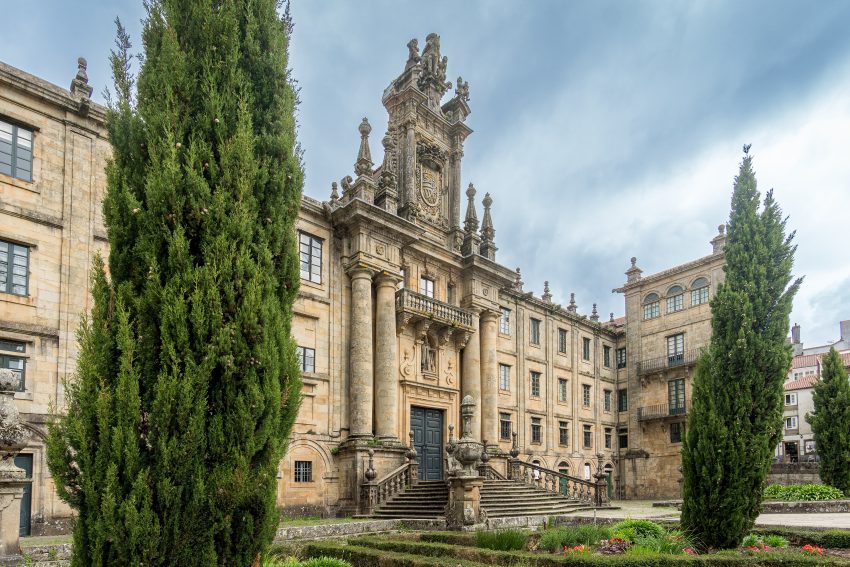
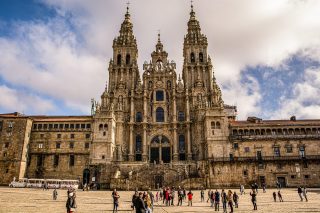
Monasterio de San Paio de Antealtares sits right beside Santiago de Compostela Cathedral, tucked along the edge of the Quintana square, yet it often feels calmer than the main cathedral complex. It's an active Benedictine monastery with a Baroque church and a small museum of sacred art, making it an easy, rewarding add-on when you're already exploring the Old Town.
It's especially worth slotting into a walking tour route that includes Praza da Quintana, the Cathedral's surrounding plazas, and the nearby lanes of the historic center. For the best first impression, pause outside to take in the long, sober façade facing the square, then head inside for the gold-toned altar and the intricate wooden choir work.
Table of Contents
- History and Significance of the Monasterio de San Paio de Antealtares
- Things to See and Do in the Monasterio de San Paio de Antealtares
- How to Get to the Monasterio de San Paio de Antealtares
- Practical Tips on Visiting the Monasterio de San Paio de Antealtares
- Where to Stay Close to the Monasterio de San Paio de Antealtares
- Is the Monasterio de San Paio de Antealtares Worth Visiting?
- For Different Travelers
- FAQs for Visiting Monasterio de San Paio de Antealtares
- Nearby Attractions to the Monasterio de San Paio de Antealtares
History and Significance of the Monasterio de San Paio de Antealtares
San Paio de Antealtares is closely tied to the origins of Santiago de Compostela as a pilgrimage city. The monastery's story is intertwined with the early guardianship and worship associated with the site of the Apostle James, which is why its location—just steps from the Cathedral—feels so intentional.
While the institution’s roots go back many centuries, much of what you see today reflects later rebuilding and Baroque-era design. That blend of deep historical continuity and later artistic grandeur is part of the appeal: it’s a place where Santiago’s earliest spiritual identity meets the city’s later architectural and artistic ambitions.
For modern visitors, the monastery is also significant because it remains a living religious community. That sense of “real life behind the walls” changes the tone of a visit: it’s less like a grand monument you pass through, and more like a quiet, working spiritual space that also happens to hold remarkable art.
Things to See and Do in the Monasterio de San Paio de Antealtares
Start with the church interior, where the gilded Baroque altar is the headline feature and the atmosphere is often hushed compared with the Cathedral nearby. Look for the detailed carved woodwork around the choir area, which many visitors find to be one of the most memorable artistic elements.
Next, continue into the museum of sacred art. It’s compact rather than sprawling, but it’s a strong stop if you enjoy religious art, historic objects, and the kind of collections that feel specific to place rather than “generic museum.” Because the museum is reached by stairs, it’s also worth deciding early whether everyone in your group is comfortable with that.
Finally, don’t miss the small shop element that’s become part of the monastery’s visitor experience: many travelers mention picking up traditional local sweets and treats. It’s a simple, distinctly Santiago souvenir that feels more personal than a standard gift shop.
How to Get to the Monasterio de San Paio de Antealtares
The nearest airport is Santiago–Rosalía de Castro Airport (SCQ), with Porto (OPO) and A Coruña (LCG) as additional options depending on your route and flight prices. For the best deals and a seamless booking experience, check out these flights to Santiago de Compostela on Booking.com.
If you’re arriving by rail, Santiago de Compostela’s main station connects with major Spanish cities, and from there it’s a straightforward taxi or local bus ride to the Old Town, followed by a short walk. Train schedules and bookings can be found on Omio.
Driving can be convenient for day trips around Galicia, but the historic center is largely pedestrianized, so plan to park in a public garage outside the core and walk in. If you are looking to rent a car in Spain I recommend having a look at Discover Cars, first, as they compare prices and review multiple car rental agencies for you.
Practical Tips on Visiting the Monasterio de San Paio de Antealtares
- Entrance fee: Check official website.
- Opening hours: Monday – Saturday: 10:30–13:30 & 16:00–19:00. Sunday: 16:00–19:00.
- Best time to visit: Go early in the day or in the late afternoon session for a quieter feel, especially in peak pilgrimage months when the Cathedral area is busiest.
- How long to spend: Plan for 30–60 minutes for the church and museum, plus a few extra minutes if you want to browse for local sweets.
- Accessibility: The church visit is generally easier than the museum, which is reached by stairs; if mobility is a concern, confirm what areas are step-free before you go.
- Facilities: Expect a simple, respectful visitor setup rather than a large attraction infrastructure; nearby cafés and restrooms are easiest to find around the Cathedral squares.
Where to Stay Close to the Monasterio de San Paio de Antealtares
Base yourself in Santiago’s Old Town (Centro Histórico) for the easiest early-morning and late-evening access to the Cathedral area and the city’s best walking routes.
Parador de Santiago de Compostela (Hostal dos Reis Católicos) This is the iconic “once-in-a-lifetime” stay right by the Cathedral, ideal if you want maximum atmosphere and the shortest possible walk back after a night stroll through the historic squares.
Hotel Costa Vella A charming, character-filled option with a calmer feel, great for travelers who want Old Town proximity without being directly on the busiest plazas.
Hotel Praza Quintana A strong pick for being steps from the Quintana area, which makes it especially convenient for popping into San Paio de Antealtares between other Cathedral-area sights.
Hotel Altair A stylish boutique stay that works well for couples and design-minded travelers who still want an easy walk to the monastery and the main Old Town lanes.
NH Collection Santiago de Compostela A comfortable, modern base with more space than many Old Town properties, good if you prefer a quieter setting while staying within an easy taxi or walk of the center.
Is the Monasterio de San Paio de Antealtares Worth Visiting?
Yes—especially if you want a meaningful, less-crowded sacred-art stop right next to the Cathedral. The combination of a striking gilded altar, detailed woodwork, and a small museum makes it feel like a “bonus highlight” that many visitors miss, and it fits naturally into any Old Town walking route.
Honest Pivot: If you’re short on time and mainly want big, dramatic interiors, you might find the visit less essential than Santiago’s headline sights. It’s also not the best match if stairs are a dealbreaker for your group and the museum is the main reason you’re considering going.
What Other Travellers Say...

Travelers rate Monasterio de San Paio de Antealtares very highly overall, often describing it as a quieter alternative just steps from the Cathedral. Common highlights include the striking gilded altar, detailed carved woodwork, and a small sacred-art museum; several visitors also enjoy buying traditional local sweets on site. The main drawbacks mentioned are that some people find parts of the interior less impressive than expected, and the museum access involves stairs, which may not suit everyone.


For Different Travelers
San Paio de Antealtares works best as a short, high-impact visit: close to everything, easy to pair with other Cathedral-area stops, and rewarding if you like sacred art and quieter interiors.
Families with Kids
For families, the biggest advantage is the short visit time and the convenient location—no long transit or complicated planning needed. It can be a good “one more stop” before a snack break in the plazas nearby.
That said, younger kids may connect more with the idea of being right beside the Cathedral than with the museum objects themselves. Keep it brief, focus on one or two visual highlights (like the golden altar), and move on before attention fades.
Couples & Romantic Getaways
Couples often appreciate this as a calmer counterpoint to the Cathedral crowds, especially on rainy days when the Old Town feels atmospheric. The interior details reward slow looking, and the quieter mood can feel surprisingly intimate for such a central location.
Pair it with an unhurried walk through Praza da Quintana and the surrounding lanes, then finish with a café stop nearby. It's a simple itinerary that feels very “Santiago” without needing a full-day plan.
Budget Travelers
Budget travelers will like that it’s a compact visit with a small entry cost compared with many major attractions, and it’s walkable from almost anywhere in the historic center. It’s also an easy way to add depth to a Cathedral-area day without paying for multiple big-ticket experiences.
If you’re watching spending, consider prioritizing the church highlights and keeping the museum portion focused. And if you’re doing the Camino, it’s a fitting, low-stress stop to mark the finish in a quieter setting.
History Buffs
History lovers will appreciate how closely the monastery’s story is tied to Santiago’s early development as a pilgrimage destination. Even without a long visit, the location and continuity of religious life here add context to the Cathedral complex next door.
To get more out of it, visit with a bit of background on Santiago’s medieval growth and the Baroque rebuilding phase that shaped much of what you see today. The contrast between the restrained exterior and the richer interior can spark great questions about style, patronage, and purpose.
FAQs for Visiting Monasterio de San Paio de Antealtares
Getting There
Tickets & Entry
Visiting Experience
Tours, Context & Itineraries
Photography
Accessibility & Facilities
Food & Breaks Nearby
Safety & Timing
Nearby Attractions to the Monasterio de San Paio de Antealtares
- Catedral de Santiago de Compostela: The city's essential landmark and pilgrimage endpoint, with multiple visitable spaces and museums.
- Praza da Quintana: One of Santiago's most atmospheric squares, perfect for photos and a quick pause between sights.
- Museo das Peregrinacións e de Santiago: A great context stop for understanding the Camino routes and the city's pilgrimage identity.
- Mosteiro de San Martiño Pinario: A monumental monastery complex nearby with impressive interiors and a quieter feel than the Cathedral.
- Parque da Alameda: The classic viewpoint-and-stroll park for skyline views over the Cathedral towers and the Old Town.
The Monasterio de San Paio de Antealtares appears in our Complete Guide to Visiting Santiago de Compostela!

Moira & Andy
Hey! We're Moira & Andy. From hiking the Camino to trips around Europe in Bert our campervan — we've been traveling together since retirement in 2020!
This website uses affiliate links which may earn a commission at no additional cost to you!
Planning Your Visit
Monday - Saturday: 10:30-13:30 & 16:00-19:00.
Sunday: 16:00-19:00.
Check official website.
Nearby Attractions
- Mercado de Abastos (0.1) km
Attraction, Bazaar and Market - Praza da Quintana de Mortos (0.1) km
Attraction, Historic Site and Square - Praza de Cervantes (0.1) km
Historic Site and Square - Museum of Pilgrimage (0.1) km
Attraction and Museum - Fountain of Horses (0.1) km
Attraction, Fountain and Square - Praza das Praterías (Santiago de Compostela) (0.1) km
Attraction and Square - O Cabildo (Santiago de Compostela) (0.1) km
Historic Building and Museum - Museo Casa da Troia (0.2) km
Historic Building, Historic Site and Museum - Rúa Nova (0.2) km
Street - Praza da Inmaculada (0.2) km
Attraction, Historic Site and Square