Mercado de Abastos, Santiago de Compostela
Attraction, Bazaar and Market in Santiago de Compostela
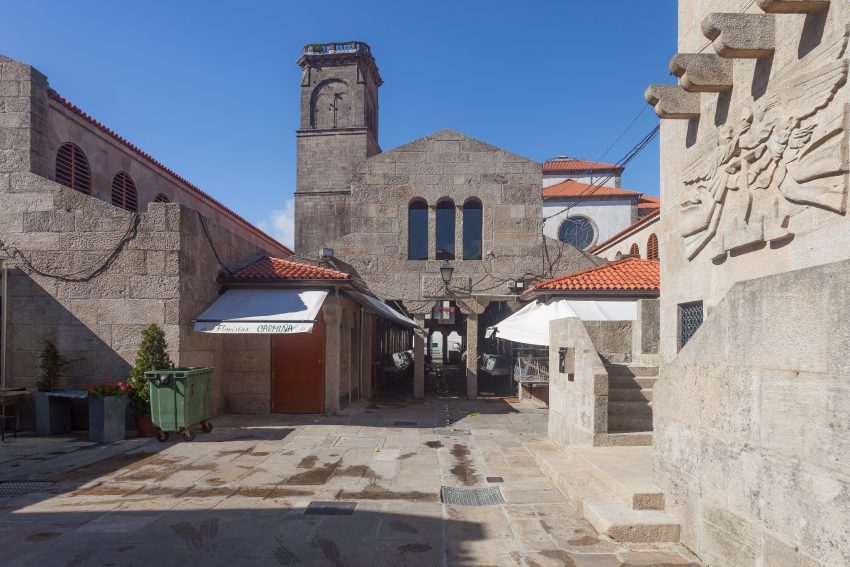
Mercado de Abastos is Santiago de Compostela's main food market and one of the best places in the city to see (and taste) everyday Galician life up close. Set just a few minutes' walk from the Cathedral and the Old Town's headline plazas, it's where locals shop for seafood, produce, meats, cheeses, and flowers—while travelers come to browse, snack, and soak up the atmosphere.
Even if you're not planning to cook, it's a smart stop on a walking tour: you can pair it with the Cathedral area, wander through the stalls for a quick cultural hit, and then continue toward the Old Town lanes for tapas and cafés. For the best “market energy,” focus on the seafood halls and the prepared-food areas, and keep an eye on which sections are open when you visit.
Table of Contents
- History and Significance of the Mercado de Abastos
- Things to See and Do in the Mercado de Abastos
- How to Get to the Mercado de Abastos
- Practical Tips on Visiting the Mercado de Abastos
- Where to Stay Close to the Mercado de Abastos
- Is the Mercado de Abastos Worth Visiting?
- For Different Travelers
- FAQs for Visiting Mercado de Abastos
- Nearby Attractions to the Mercado de Abastos
History and Significance of the Mercado de Abastos
Mercado de Abastos has long been Santiago's practical heart: a place built around feeding the city and connecting rural producers and coastal fishers with urban kitchens. Galicia's food culture is famously tied to seasonality and the sea, and this market is where that relationship becomes visible—crates of shellfish, gleaming fish counters, and piles of greens that mirror what you'll see referenced on menus across town.
Architecturally and culturally, it’s also part of the city’s wider story as a destination. Santiago is shaped by pilgrimage and tourism, but the market remains grounded in local routines—early mornings, regular customers, and vendors who know their products inside out.
Today, its significance is twofold: it’s still a working market for residents, and it’s also a visitor-friendly gateway to Galician gastronomy. That mix makes it one of the easiest places in Santiago to understand what people actually eat here—and why the region’s ingredients are so celebrated.
Things to See and Do in the Mercado de Abastos
Start with a slow loop through the main halls, especially the seafood and shellfish stalls, which are often the most photogenic and distinctly Galician. Even if you don’t buy anything, you’ll get a crash course in local staples—octopus, clams, mussels, and the day’s catch—plus seasonal fruit and vegetables and a strong showing of cheeses and cured goods.
If you want a more interactive experience, consider buying something small to take away (fruit, cheese, pastries, or packaged specialties) and turning it into a picnic later in the Old Town. Some visitors also come specifically to choose seafood and then have it prepared nearby, which can be a fun “choose-your-own-lunch” experience if you’re comfortable navigating how it works.
Finally, treat the market as a food-planning tool: browse first, then decide where to eat next. It’s a great place to get oriented before booking a seafood-focused lunch, joining a tapas crawl, or building a simple itinerary around Santiago’s best bites.
How to Get to the Mercado de Abastos
The nearest airports are Santiago–Rosalía de Castro Airport (SCQ) for the quickest arrival, with Porto (OPO) and A Coruña (LCG) as useful alternatives depending on flight prices and schedules. For the best deals and a seamless booking experience, check out these flights to Santiago de Compostela on Booking.com.
Santiago de Compostela is well connected by rail, and arriving by train is an easy option if you're coming from other Spanish cities; from the station, you can take a short taxi ride or local bus, or walk if you're traveling light.Train schedules and bookings can be found on Omio.
If you’re driving, aim for a public car park outside the tight Old Town streets and finish the last stretch on foot, since the historic center has limited access and narrow lanes.If you are looking to rent a car in Spain I recommend having a look at Discover Cars, first, as they compare prices and review multiple car rental agencies for you.
Practical Tips on Visiting the Mercado de Abastos
- Official website: https://www.mercadodeabastosdesantiago.com/
- Entrance fee: Free.
- Opening hours: Monday – Saturday: 07:00–14:00. Sunday: Closed.
- Best time to visit: Go in the morning for the fullest selection and the most “working market” atmosphere, especially on Thursday and Saturday when it’s typically busiest.
- How long to spend: 30–60 minutes is enough for a browse and a snack; add time if you plan to shop seriously or turn it into a sit-down food stop.
- Accessibility: The market is centrally located and generally easy to reach on foot from the Old Town, but expect busy aisles and occasional pinch points at peak times.
- Facilities: You’ll find plenty of food options nearby, and the surrounding streets are packed with cafés and restaurants for a quick break after browsing.
Where to Stay Close to the Mercado de Abastos
Base yourself in the Old Town (Casco Histórico) for the easiest, most walkable access to the market, the Cathedral, and Santiago’s main sights.
Parador de Santiago de Compostela (Hostal dos Reis Católicos) Chosen for its once-in-a-lifetime location and historic atmosphere right by the Cathedral—perfect if you want a landmark stay and easy walks to the market.
NH Collection Santiago de Compostela A polished, reliable option with a more modern feel and strong comfort standards, ideal if you want a quieter base while staying close to the center.
Hotel Costa Vella A charming, characterful stay with a classic Santiago vibe, great for travelers who want boutique warmth and an easy stroll to the market.
Hotel Praza Quintana Included for its central Old Town positioning and convenience—excellent for early market mornings and late-night wandering.
Eurostars Gran Hotel Santiago A comfortable, good-value full-service hotel that works well if you prefer a bit more space while still being within walking distance of the historic core.
Is the Mercado de Abastos Worth Visiting?
Yes—Mercado de Abastos is absolutely worth visiting if you want a quick, authentic slice of Santiago beyond the Cathedral. It's lively, local, and deliciously practical: you can see the ingredients that define Galician cooking, pick up edible souvenirs, and build a meal plan around what looks best that day.
Honest Pivot: if you dislike crowds, don’t enjoy food-focused sightseeing, or you’re visiting late in the day when many stalls are closed, you may find it underwhelming. In that case, swap it for a relaxed café crawl in the Old Town or a viewpoint walk, and save the market for a morning when it’s at its best.
What Other Travellers Say...

Reviews are overwhelmingly positive, with travelers praising the market’s lively atmosphere and the chance to experience local daily life. Visitors consistently highlight the variety and quality of fresh products—especially seafood—plus the option to eat well on-site or nearby. Common drawbacks mentioned are that opening times and which stalls are operating can be inconsistent, and first-time visitors may find the “buy seafood, then get it cooked” setup a bit confusing.


For Different Travelers
Mercado de Abastos works for many travel styles because it's flexible: you can spend 15 minutes or an hour, browse without buying, or turn it into a full food experience. The key is timing—visit earlier for the most action and the widest choice.
Families with Kids
Kids often enjoy the colors and movement—especially the fish counters and fruit stalls—because there’s always something new to look at. Keep the visit short and treat it like a scavenger hunt: spot different seafood, choose a favorite fruit, and then head out for a snack.
If you’re traveling with a stroller, aim for off-peak moments when aisles are less congested. Pair the market with a nearby square or park stop so kids can reset after the sensory overload.
Couples & Romantic Getaways
For couples, this is a fun “real life” counterpoint to Santiago’s grand stone architecture. Browse together, pick out a few treats, and turn it into a casual picnic or a pre-lunch aperitif plan.
It’s also a great way to choose a seafood-focused meal with confidence: seeing what’s fresh can help you decide what to order later. Go earlier, then follow up with a long lunch in the Old Town.
Budget Travelers
Mercado de Abastos is a budget traveler's secret weapon: browsing is free, and you can often assemble a satisfying, low-cost meal from simple market buys. It's also a smart place to find small, packable food gifts without paying “tourist shop” markups.
To keep costs down, visit with a plan—pick one or two specialty items rather than impulse-buying. Then use the market as a springboard for a self-guided walking route through the Old Town.
FAQs for Visiting Mercado de Abastos
Getting There
Tickets & Entry
Visiting Experience
Tours, Context & Itineraries
Photography
Accessibility & Facilities
Food & Breaks Nearby
Safety & Timing
Nearby Attractions to the Mercado de Abastos
- Catedral de Santiago de Compostela: The city's iconic pilgrimage destination and architectural centerpiece, just a short walk away.
- Praza do Obradoiro: Santiago's grand main square, perfect for photos and people-watching.
- Mosteiro de San Martiño Pinario: A monumental monastery complex with impressive interiors near the Cathedral.
- Museo do Pobo Galego: A top museum for understanding Galician culture, traditions, and daily life.
- Parque da Alameda: The classic viewpoint-and-stroll park with postcard views toward the Cathedral skyline.
The Mercado de Abastos appears in our Complete Guide to Visiting Santiago de Compostela!

Moira & Andy
Hey! We're Moira & Andy. From hiking the Camino to trips around Europe in Bert our campervan — we've been traveling together since retirement in 2020!
This website uses affiliate links which may earn a commission at no additional cost to you!
Planning Your Visit
Monday - Saturday: 07:00-14:00.
Sunday: Closed.
Free.
Nearby Attractions
- Monasterio de San Paio de Antealtares (0.1) km
Church, Monastery and Museum - Praza de Cervantes (0.1) km
Historic Site and Square - Praza da Quintana de Mortos (0.2) km
Attraction, Historic Site and Square - Museo Casa da Troia (0.2) km
Historic Building, Historic Site and Museum - Rúa Nova (0.2) km
Street - Museum of Pilgrimage (0.2) km
Attraction and Museum - Fountain of Horses (0.2) km
Attraction, Fountain and Square - Praza das Praterías (Santiago de Compostela) (0.2) km
Attraction and Square - O Cabildo (Santiago de Compostela) (0.2) km
Historic Building and Museum - Porta do Camiño (0.2) km
Attraction, Café and City Gate