Leng Buai Ia Shrine, Bangkok
Chinese Shrine in Bangkok

Hidden among the narrow lanes of Chinatown, the Leng Buai Ia Shrine is one of the must-see places in Bangkok for travelers seeking the city's historical roots and cultural diversity. Built during the Ayutthaya period in 1658, this small yet significant shrine is considered the oldest Chinese temple in Thailand. Despite its modest size, it offers a deep connection to Bangkok's early Chinese community, who once gathered here to pray for prosperity and good fortune in trade.
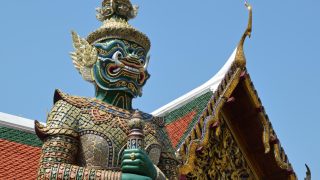
The shrine's intimate atmosphere and beautiful craftsmanship make it a great place to visit on a walking tour of Bangkok. Its glazed-tile roof and ceramic dragons gleam softly in the sun, while inside, the scent of incense lingers in the air, creating a tranquil contrast to the busy streets outside.
History and Significance of Leng Buai Ia Shrine
Leng Buai Ia Shrine dates back to 1658, a time when Chinese traders were becoming an integral part of Siam's economy and culture. It was built during the reign of King Narai the Great of the Ayutthaya Kingdom, long before Bangkok became the capital. The shrine, dedicated to Leng Buai Ia and his wife, served as both a place of worship and a community center for early Chinese immigrants, particularly those of Teochew descent.
Inscriptions found inside confirm its historical authenticity, including a plaque marking the year of construction. Over the centuries, successive generations of Chinese-Thai families have preserved the shrine, ensuring its survival through wars, modernization, and urban development. During the reign of King Chulalongkorn (Rama V), it received royal recognition, symbolized by an incense container gifted by the King himself-a gesture that cemented the shrine’s importance within both Chinese and Thai heritage.
The shrine also holds several historically significant artifacts, including a large bronze bell from the Qing Dynasty's Daoguang Emperor and three plaques dating back to the Kangxi era. These objects, alongside the intricate architecture, make Leng Buai Ia Shrine not just a religious site but also a cultural time capsule of Sino-Thai history.
Things to See and Do in Leng Buai Ia Shrine
Visitors can appreciate the shrine’s exquisite craftsmanship, which reflects a blend of Teochew and traditional Chinese design. The roof, decorated with green-glazed tiles and a pair of ceramic dragons, symbolizes protection and power. The main altar honors Leng Buai Ia and his wife, surrounded by candles, lanterns, and offerings from local devotees.
Side altars are dedicated to Gong Wu (Guan Yu), the god of loyalty and righteousness, and Tianhou, the Queen of Heaven, revered by seafarers for protection. The presence of these deities reflects the diverse spiritual beliefs within the Chinese community of old Bangkok.
As you wander around the small courtyard, notice the fine details-red wooden columns engraved with Chinese calligraphy, ancient bells, and symbolic carvings that speak of centuries of devotion. The serene ambiance and flickering candlelight make it an evocative stop for those seeking a more authentic and reflective experience amid Chinatown’s energetic chaos.
How to Get There
Leng Buai Ia Shrine is located on Trok Issaranuphap (Soi Issaranuphap), just off Charoen Krung Road in Bangkok's Chinatown. The most convenient way to reach it is via the MRT Blue Line to Wat Mangkon Station, followed by a short 5-minute walk through the nearby market lanes.The shrine is easiest to visit on foot as part of a Chinatown walking route.
Practical Tips on Visiting Leng Buai Ia Shrine
- Best time to visit Leng Buai Ia Shrine: Early morning or late afternoon when the shrine is quiet and the light highlights its architecture.
- Entrance fee: Free, though donations are appreciated.
- Opening hours: Daily from 8:00 AM to 5:00 PM.
- Official website: tourismthailand.org.
- How long to spend: Around 30 minutes.
- Accessibility: Located in a narrow alley; may not be suitable for wheelchairs.
- Facilities: Limited facilities; public restrooms available at nearby markets.
- Photography tip: Capture the intricate roof dragons and the glow of incense smoke filtering through the entrance.
- Guided tours: Frequently included in Chinatown heritage or cultural tours.
- Nearby food options: Try local Chinese snacks and street food along Yaowarat Road, just a short walk away.
Is Leng Buai Ia Shrine Worth Visiting?
Yes, Leng Buai Ia Shrine is one of the top sights in Bangkok for history lovers and those interested in Chinese-Thai heritage. Its quiet atmosphere, ancient relics, and intricate architecture make it a rare survivor of early Bangkok's multicultural beginnings. Visiting the shrine offers a glimpse into the lives of the city's first Chinese settlers and a deeper appreciation of how faith and tradition have shaped modern Thailand.
What Other Travellers Say...

San Chao Leng Buay Eia, tucked into Yaowarat in Bangkok's Chinatown at 125 Soi Yaowarat 6, is a richly decorated Chinese Taoist temple offering a peaceful, well‑kept oasis amid the busy market; visitors note its bright colors, calming water fountains, a shady square that provides respite, helpful staff who guide where to place incense and prayers, and a clean donation‑based restroom (small fee).


FAQs for Visiting Leng Buai Ia Shrine
Nearby Attractions to Leng Buai Ia Shrine
- Wat Mangkon Kamalawat - A major Chinese-Buddhist temple bustling during festivals.
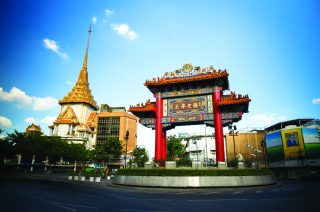
- Chinatown Gate (Odean Circle) - The iconic entrance to Bangkok's Chinatown.
- Wat Traimit - Home to the Golden Buddha, one of the city's most treasured religious icons.
- Yaowarat Road - The main street of Chinatown, filled with gold shops and night food stalls.
- Sampaeng Lane - A narrow market street offering fabrics, trinkets, and souvenirs.
The Leng Buai Ia Shrine appears in our Complete Guide to Visiting Bangkok!

Moira & Andy
Hey! We're Moira & Andy. From hiking the Camino to trips around Europe in Bert our campervan — we've been traveling together since retirement in 2020!
This website uses affiliate links which may earn a commission at no additional cost to you!
Planning Your Visit
Nearby Attractions
- Wat Mangkon Kamalawat (Dragon Lotus Temple) (0.1) km
Buddhist Temple - Talat Kao (Old Market) (0.2) km
Market - Yaowarat Road (0.3) km
Street - Kuan Yim Shrine (0.5) km
Chinese Shrine - Sampeng Lane (0.6) km
Street - Wat Chakrawat (The Crocodile Temple) (0.6) km
Buddhist Temple - Wat Traimit (Temple of the Golden Buddha) (0.6) km
Buddhist Temple - Chinatown Gate (0.7) km
Historic Site - Bangkok (Hua Lamphong) Railway Station (0.8) km
Railway - So Heng Tai Mansion (1.0) km
Historic Building