La Rambla, Barcelona
Area, Promenade and Street in Barcelona
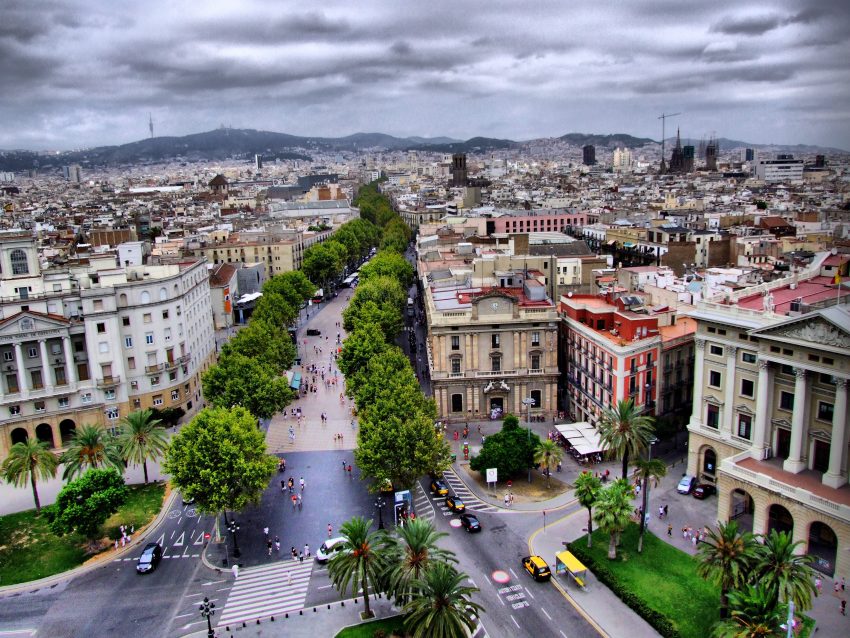
La Rambla is Barcelona's most iconic boulevard, a lively pedestrian-friendly promenade that runs through the heart of the city from Plaça de Catalunya down to the old port near the Columbus Monument. It's less a single “attraction” and more a constantly changing street scene: kiosks, cafés, historic buildings, and a steady flow of locals and visitors moving between the Gothic Quarter and El Raval.
The best way to experience La Rambla is on foot, ideally as part of a walking tour that also dips into the side streets for the Gothic Quarter's lanes, Plaça Reial, and the edges of El Raval. Even if you only do a short section, aim to connect two anchors: Plaça de Catalunya at the top and the waterfront at the bottom.
Table of Contents
History and Significance of the La Rambla
La Rambla’s story begins with geography: the route follows what was once a seasonal streambed outside the medieval walls. Over time, it evolved into a broad urban corridor that linked the city center to the sea, becoming a natural place for strolling, meeting, and commerce.
As Barcelona expanded, La Rambla grew into a symbolic “main street” for the city, lined with cultural institutions, markets, and notable architecture. It's also a place that reflects Barcelona's modern identity: vibrant, public-facing, and constantly reinventing itself through urban projects, events, and everyday street life.
In recent years, ongoing renovation and redesign efforts have been reshaping parts of the boulevard, which can affect the atmosphere and the presence of performers or stalls. The upside is that the long-term goal is a more accessible, people-first promenade that better connects the neighborhoods on either side.
Things to See and Do in the La Rambla
Start with a simple plan: walk it in sections and use the side streets as “escape valves” when it gets crowded. From the top, the energy builds quickly with shops and cafés; as you head downhill, you’ll pass cultural landmarks and gateways into the Gothic Quarter’s narrow lanes.
Don't miss Mercat de la Boqueria (just off La Rambla) for a quick look at Barcelona's food culture, even if you only stop for a juice or a small snack. Nearby, Gran Teatre del Liceu adds a grand, old-Barcelona feel, and Palau de la Virreina is a standout façade worth pausing for.
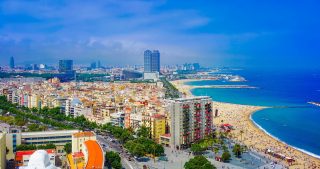
At the lower end, the walk opens toward the port and the Columbus Monument area, where the city feels breezier and more waterfront-oriented. If you want a calmer finish, continue toward the marina or peel off into the Gothic Quarter for quieter plazas and photogenic corners.
How to Get to the La Rambla
The nearest major airport is Barcelona–El Prat Airport (BCN), around 12–15 km from central Barcelona. For the best deals and a seamless booking experience, check out these flights to Barcelona on Booking.com.
From the airport, you can reach the city by train (Rodalies) or connect via metro/bus to central hubs, then continue on foot or by metro to Plaça de Catalunya or Liceu. Train schedules and bookings can be found on Omio.
If you’re traveling by car, avoid driving into the old town core; parking is limited and traffic restrictions can make it slow—use a paid garage on the edge of the center and walk or take the metro in. If you are looking to rent a car in Spain I recommend having a look at Discover Cars, first, as they compare prices and review multiple car rental agencies for you.
Practical Tips on Visiting the La Rambla
- Official website: https://www.barcelona.cat/larambla/en
- Entrance fee: Free.
- Opening hours: 24 Hours.
- Best time to visit: Go early in the morning for a calmer stroll and better photos, or late afternoon for atmosphere without the peak midday crush.
- How long to spend: 45–90 minutes is plenty for the main walk, plus extra time if you add Boqueria, Plaça Reial, or a café stop.
- Accessibility: The promenade is generally flat and step-free, but crowding and construction zones can make navigation slower for wheelchairs and strollers.
- Facilities: You’ll find plenty of cafés, shops, and public-transport access points nearby; restrooms are easiest in cafés, museums, and larger venues.
Where to Stay Close to the La Rambla
The best area to base yourself is central Barcelona around Plaça de Catalunya, the Gothic Quarter edge, and El Raval's safer, well-connected blocks.
Hotel 1898 A top pick right on La Rambla with a polished, classic feel and a rooftop pool area that's ideal after a long day walking.
Le Méridien Barcelona A convenient, upscale option on the boulevard itself, great for travelers who want to step outside and be in the middle of the action.
Catalonia Ramblas Close to the top of La Rambla and Plaça de Catalunya, it's a strong all-rounder for transport connections and easy sightseeing logistics.
Hotel España Ramblas A characterful stay near the Liceu end, chosen for its design-forward interiors and quick access to both La Rambla and the Gothic Quarter.
Arc La Rambla A practical, good-value base near the lower end of the boulevard, handy for the port, late-night walks, and quick metro access.
Is the La Rambla Worth Visiting?
Yes—La Rambla is worth visiting at least once because it's one of the clearest snapshots of Barcelona's street life, architecture, and central geography. Even if it's busy, it's a useful “spine” for navigating between Plaça de Catalunya, the Gothic Quarter, and the waterfront.
Honest Pivot: If you dislike crowds, touristy corridors, or active construction zones, you may enjoy Barcelona more by spending your prime walking hours in the Gothic Quarter's backstreets, El Born, or along the seafront promenades instead—then just do a short, curiosity-driven pass through La Rambla.
What Other Travellers Say...

Reviews are strongly positive overall, with travelers loving La Rambla’s lively atmosphere, people-watching, shops, dining options, and the easy access to side streets and nearby sights like the market. Many describe it as busy but enjoyable and generally comfortable to walk. The most common downsides are heavy crowds, higher tourist-area prices, and recent renovation work that can bring construction disruption and fewer street performers.


For Different Travelers
La Rambla can be tailored to your travel style: treat it as a quick connector, a people-watching stroll, or a launchpad into nearby neighborhoods. The key is timing and knowing when to step off the main strip.
Families with Kids
For families, La Rambla works best as a daytime walk with clear “mini-goals” like reaching Boqueria, spotting street performers, or ending near the waterfront. Keep the route short and build in snack stops so kids don't burn out in the crowds.
If there's construction or heavy foot traffic, use parallel streets for smoother stroller movement and rejoin La Rambla at major points. It's also easier to keep everyone together if you walk on the edges rather than weaving through the center.
Couples & Romantic Getaways
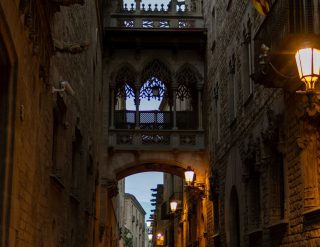
Couples can enjoy La Rambla as a classic Barcelona stroll, especially early morning or around golden hour when the light flatters the architecture. The best romantic moments usually happen just off the boulevard—small plazas, candlelit tapas spots, and quiet Gothic Quarter corners.
Make it a “two-neighborhood” date: walk a short stretch of La Rambla, then detour into the Gothic Quarter for atmosphere and finish with a waterfront drink near the port.
Budget Travelers
La Rambla is ideal for budget travelers because the main experience—walking and people-watching—costs nothing. You can also use it as a navigation shortcut between free-to-explore neighborhoods and viewpoints.
To keep costs down, skip the most touristy sit-down terraces and instead grab affordable bites in nearby side streets. If you want souvenirs, compare prices off La Rambla where the same items are often cheaper.
FAQs for Visiting La Rambla
Getting There
Tickets & Entry
Visiting Experience
Tours, Context & Itineraries
Photography
Accessibility & Facilities
Food & Breaks Nearby
Safety & Timing
Nearby Attractions to the La Rambla
- Mercat de la Boqueria: Barcelona's famous food market, perfect for a quick snack stop and a burst of local color.
- Gran Teatre del Liceu: A landmark opera house that adds grandeur and culture right on the boulevard.
- Plaça Reial: A palm-lined square just off La Rambla, great for a short detour and a drink in a classic setting.
- Barcelona Cathedral (Gothic Quarter): A short walk away, offering one of the city's most impressive Gothic focal points.
- Columbus Monument (Mirador de Colom): The iconic waterfront monument marking the lower end of the walk and the gateway to the port area.
The La Rambla appears in our Complete Guide to Visiting Barcelona!

Moira & Andy
Hey! We're Moira & Andy. From hiking the Camino to trips around Europe in Bert our campervan — we've been traveling together since retirement in 2020!
This website uses affiliate links which may earn a commission at no additional cost to you!
Planning Your Visit
24 Hours.
Free.
Nearby Attractions
- Christopher Columbus monument (0.1) km
Memorial, Monument and Viewing Point - Museu de Cera de Barcelona (0.1) km
Attraction and Museum - Barcelona Maritime Museum (0.1) km
Historic Building, Historic Site and Museum - Port Vell (0.2) km
Port - Palau Güell (0.4) km
Historic Building, Historic Site and Palace - Carrer Nou de la Rambla, 10 (0.4) km
Historic Building - Carrer d'Avinyó, 44 (0.5) km
Area, Attraction and Street - Gran Teatre del Liceu (0.5) km
Arts Venue, Opera House and Theatre - Carrer de la Plata, 4 (0.5) km
Historic Site and Street - Església de Sant Jaume (0.6) km
Church, Historic Building and Religious Building