Kmoch Gate (Gate of the Dead), Siem Reap
City Gate in Siem Reap
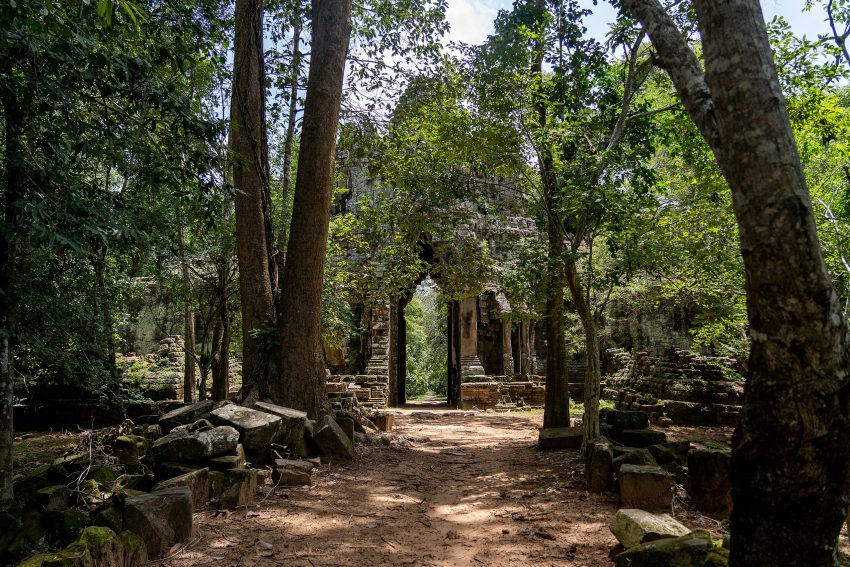
The Angkor Thom East Gate, also known as Thvear Khnoch or Kmoch Gate (Gate of the Dead), is one of the five monumental gates that provide access through the walls of Angkor Thom. While it remains one of the lesser-visited sites in the area, it offers a distinct and captivating charm that sets it apart from the more popular gates. This gate is approached via a dirt trail from the Bayon Temple, which contributes to its relative obscurity.
Character and Architecture
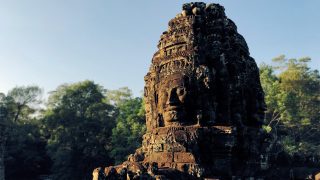
Like the other gates of Angkor Thom, the East Gate is adorned with massive stone faces, each facing one of the cardinal directions. These iconic faces are a hallmark of the Bayon period, symbolizing the divine presence watching over the city. Historically, a stone bridge once spanned the gate, flanked by statues of Asuras and Devas, though only remnants of these figures can still be seen. Some of these sculptures may have sunk into the silt of the moat over time, hidden beneath the surface.
Unlike the other gates, the East Gate is not directly connected to the modern road network, which contributes to its relative solitude and the sense of mystery surrounding it. The quiet, overgrown surroundings, combined with the towering stone faces, create a hauntingly beautiful atmosphere, especially as you pass through the gate and into the jungle beyond.
Unique Features of the East Gate
One of the most distinctive features of the East Gate is the presence of two laterite chambers extending from the wall on either side of the entrance. These structures are also found at the north and west gates, though their exact purpose remains speculative.
Around the platform and base molding of the gate, you can observe a band of medallions inset with caricatures that were common in Bayon-era temples. These medallions provide an interesting point of comparison when examining the gates of Angkor Thom.
Another notable aspect of the East Gate is the original sandstone paving that has survived the centuries. The stone is still marked with chariot wheel ruts, offering a glimpse into the daily life of the city during the height of the Khmer Empire.
Archaeological Discoveries
The area surrounding the East Gate is rich in historical and archaeological significance. In 1925, Henri Marchal discovered several important statues nearby, including the head of Prajnaparamita, a statue of Avalokitesvara, and a Buddha head, all of which are of considerable artistic and historical importance. The discovery of these statues sheds light on the art and iconography of the period and adds to the allure of this lesser-visited gate. Some of these statues are now housed at the Metropolitan Museum of Art in New York.
In addition to the statues, remnants of the inner moat and canalization can still be seen to the west of the gate, offering further insight into the infrastructure that once supported Angkor Thom. On the eastern side, the remains of the balustrade and causeway can also be found, with the latter being notable for not having been constructed from recycled stone, unlike the causeways of the West Gate and Victory Gate.
A Forgotten Corner of Angkor Thom
While the East Gate may not draw the large crowds of its more famous counterparts, it holds a unique appeal for those seeking to experience the quieter, more enigmatic side of Angkor Thom. Its historical significance, along with its fascinating architectural features and the serene atmosphere of the surrounding jungle, make it an intriguing stop for those willing to venture off the beaten path.
What Other Travellers Say...

Gate of the Dead is a quieter, atmospheric eastern entrance to Angkor Thom featuring a multi-faced tower gate flanked by rows of carved deities and demons along the causeway; set amid jungle, it feels more untouched than the busier south approaches, is best explored on foot, by bike or remork, and rewards visitors who include it on a longer, more comprehensive tour despite being in somewhat lesser condition than the more famous gates.


The Kmoch Gate (Gate of the Dead) appears in our Complete Guide to Visiting Siem Reap!

Moira & Andy
Hey! We're Moira & Andy. From hiking the Camino to trips around Europe in Bert our campervan — we've been traveling together since retirement in 2020!
This website uses affiliate links which may earn a commission at no additional cost to you!
Planning Your Visit
Nearby Attractions
- Victory Gate of Angkor Thom (0.5) km
City Gate - Thommanon Temple (0.8) km
Buddhist Temple - Prasat Leak Neang (0.9) km
Buddhist Temple - Ta Keo (1.0) km
Buddhist Temple - Prasat Bayon (1.5) km
Buddhist Temple - Bayon Temple (1.5) km
Buddhist Temple - Terrace of the Elephants (1.6) km
Historic Site - Terrace of the Leper King (1.7) km
Historic Site - Ta Nei Temple (1.8) km
Buddhist Temple - Baphuon (1.8) km
Buddhist Temple